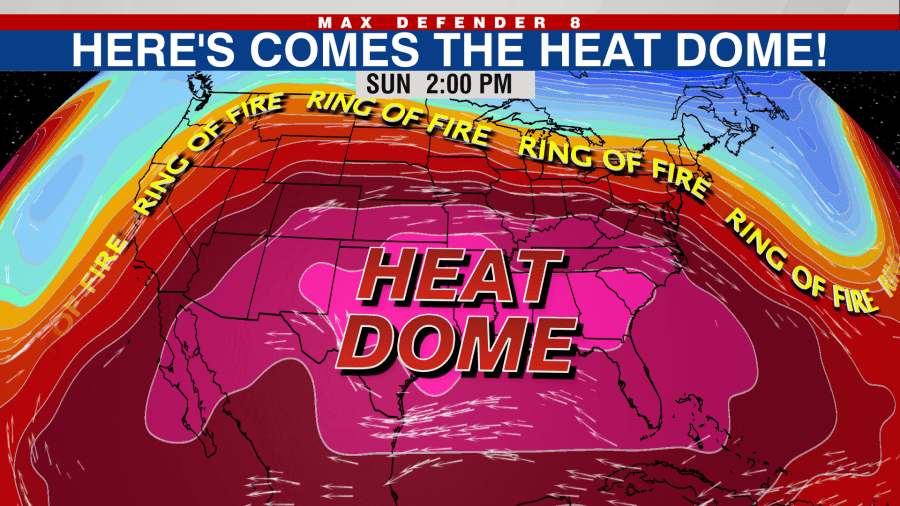
Residents of the Southeastern United States, including Florida, should brace for a significant heat wave as a heat dome is set to form across the region. This weather event, which could persist through most of next week, is expected to bring near-record temperatures.
A heat dome develops when an area of high pressure traps warm air beneath it, preventing clouds and rain from forming. This particular heat dome could surpass monthly records for high pressure intensity, leading to numerous potential temperature records being set.
The National Oceanic and Atmospheric Administration (NOAA) indicates that more than 30 million people could face ‘extreme’ heat conditions, while another 50 million might contend with ‘major’ heat. The heat is anticipated to intensify toward the end of the week, peaking during the weekend.
On Thursday, the most extreme conditions will start in Kansas and Oklahoma, moving eastward over the weekend. By Sunday, the heat dome is expected to cover Missouri, Arkansas, Kentucky, Tennessee, southern Illinois, Alabama, Mississippi, Georgia, and Florida. Temperatures in Florida will likely reach the mid-90s, while areas across the southeastern U.S., from Oklahoma and Texas to the Carolinas, could hit 100 degrees.
With humid air present, heat index values might soar to between 105 and 115 degrees. Overnight temperatures could also remain high in the Southeast, further elevating the risk. Meteorologist Jeff Masters from Yale Climate Connections notes that persistent high nocturnal temperatures hinder the body’s ability to recover from daytime heat.
This heat dome arrives shortly after the United States recorded its hottest month ever in July, with an average temperature of 76.89 degrees Fahrenheit across the contiguous states. This surpassed the 1936 Dust Bowl record by 0.125 degrees. Masters highlights the seriousness of breaking such historic records, as they were linked to critical events like the Dust Bowl’s mass migrations caused by drought and heat.
Current weather patterns suggest the heat dome will linger beyond the upcoming weekend, raising concerns about prolonged heat exposure for millions of people.
 The Impact of Modern Windows on Home Temperature Regulation
 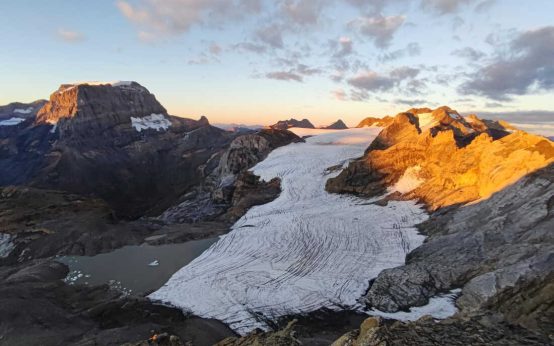 Swiss Glaciers Continue Rapid Ice Loss Due to Global Warming
  Hidden Water Reserves in Climate-Resistant Rock Glaciers
 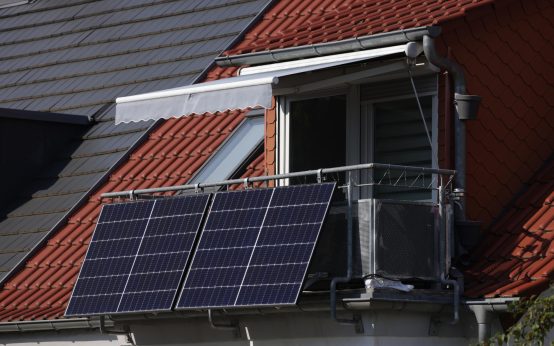 California’s Plug and Play Solar Act: A Step Forward for Renters
  Challenges Loom Over Colorado River’s Water Levels
  Suncor v. Boulder: Understanding the Supreme Court Case and Its Implications