Introduction
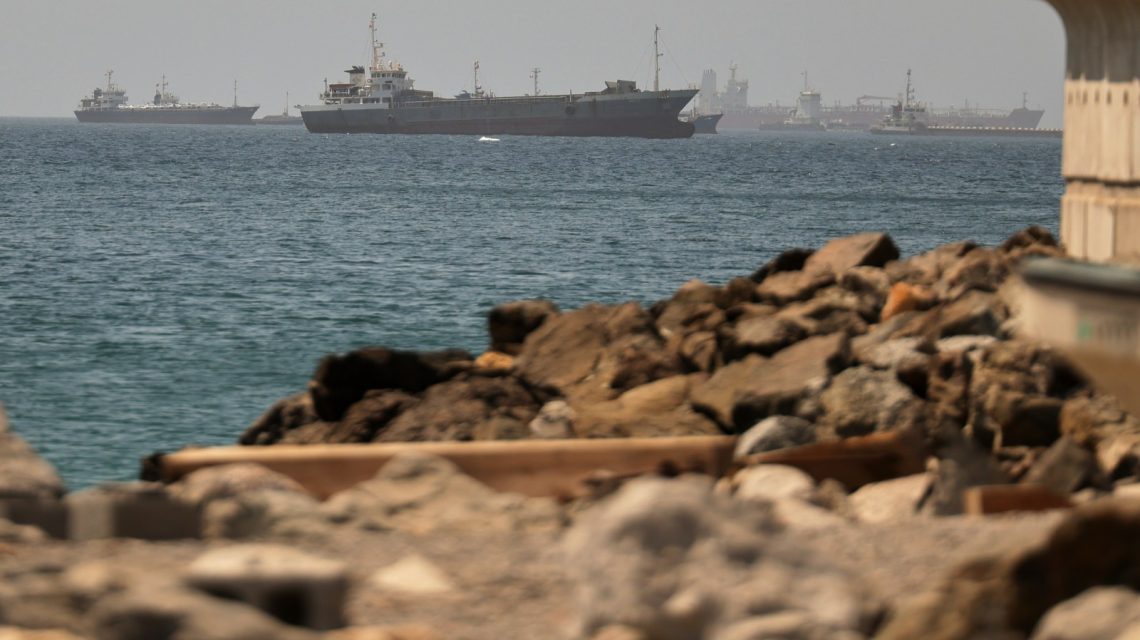
The United States and Iran have reached a fragile 60-day ceasefire, temporarily reopening the strategic Strait of Hormuz. This move aims to stabilize global energy markets following months of conflict. However, disagreements over tolls, security enforcement, and long-term control have intensified uncertainties surrounding the future of this critical oil passage.
Details of the Interim Agreement
The interim agreement, signed last week, seeks to provide a 60-day window for negotiators to pursue a broader deal and halt active hostilities. The arrangement also requires the U.S. to lift its naval blockade of Iranian ports. Nonetheless, differing accounts from Washington and Tehran are already straining the agreement, raising concerns about renewed economic and military volatility before long-term negotiations commence.
Conflicting Reports on Maritime Traffic
This weekend saw conflicting reports regarding the operational status of the Strait of Hormuz. Open-source intelligence revealed brief disruptions on Saturday and Sunday. For instance, the tanker Starbound Explorer reversed course within Iranian waters, while the container ship MSC Qingdao briefly changed direction before exiting via Omani waters.
U.S. officials downplayed shutdown reports, maintaining that shipping lanes remain active and busy. “Yesterday, 67 ships went through the Strait of Hormuz. The day before, it was 55 ships,” Energy Secretary Chris Wright remarked on Fox News.
Vice President JD Vance supported these claims with remarks on Fox and Friends, emphasizing that “the straits really are open” thanks to ongoing international enforcement efforts.
Unresolved Framework of the Ceasefire
Under the memorandum of understanding (MOU), Iran agreed to allow toll-free passage of commercial vessels through the strait during the 60-day period. During this time, Iran, Oman, and other Gulf states are expected to discuss future management and maritime services of the waterway.
Key aspects remain unresolved within the MOU, including:
- Determination of which international or regional forces will enforce security.
- Decisions on whether transit fees or tolls can be legally applied after the ceasefire ends.
- Approaches to handling future maritime disputes involving Washington, Tehran, and regional actors.
The lack of clarity allows both parties to present differing interpretations of who holds ultimate control over the strait.
U.S. Perspectives on Future Control
President Donald Trump has lauded the deal as a breakthrough but has also intensified his rhetoric concerning American oversight in the region. His posts on Truth Social indicated “no tolls” during the 60-day period, yet suggested a potential 20 percent transit fee on foreign vessels afterward. This fee aims to cover U.S. military costs associated with regional protection.
The president further warned of serious military and economic repercussions if Tehran attempts to close the strait once more. He stated, “You close it, and you won’t have a country…” addressing Tehran’s diplomats in Switzerland who are negotiating with U.S. officials.
Iranian Assertion of Sovereignty
Tehran emphasizes that the Strait of Hormuz remains firmly under its sovereign control. A message from the Iranian military’s operation command posted on Tasnim’s Telegram asserted the strait “will be closed to vessel traffic.” Although traffic continued, Iranian military officials affirm that they exercise “full authority” over the strait.
Tehran warns they might restrict access again if the U.S. or its allies breach ceasefire terms, or in reaction to broader regional clashes like the ongoing conflict involving Hezbollah in Lebanon.
Implications for the Global Market
Tensions around the Strait of Hormuz, the world’s most significant oil chokepoint, continue to affect global energy markets. The strait carries about a fifth of the world’s petroleum liquids and considerable shares of liquefied natural gas.
Earlier in the conflict, reduced shipping traffic and threats of prolonged closures drove crude prices higher, affecting global supply chains and increasing maritime insurance premiums. Financial markets reacted, with energy stocks rising on supply fears, while broader equities fell due to worries about economic slowdown stemming from increased energy costs.
The 60-day agreement has temporarily eased concerns for shipping companies and commodities traders. However, analysts caution that the persistence of unresolved geopolitical issues keeps the strait a volatile flashpoint for the global economy.
 Michael Alfonso Responds to Carville’s Warning on Democrats and Progressives
  The Debate Over Flock Safety Cameras and Privacy Concerns
  Massachusetts Bill Proposes Muslim Advisory Commission
  Trump’s Secret Flight Sparks Concerns Over Presidential Security and Transparency
  Count Binface vs. Nigel Farage: A Political Showdown in Clacton
  David Crowley Wins Wisconsin Primary for Governor Amid Tight Race