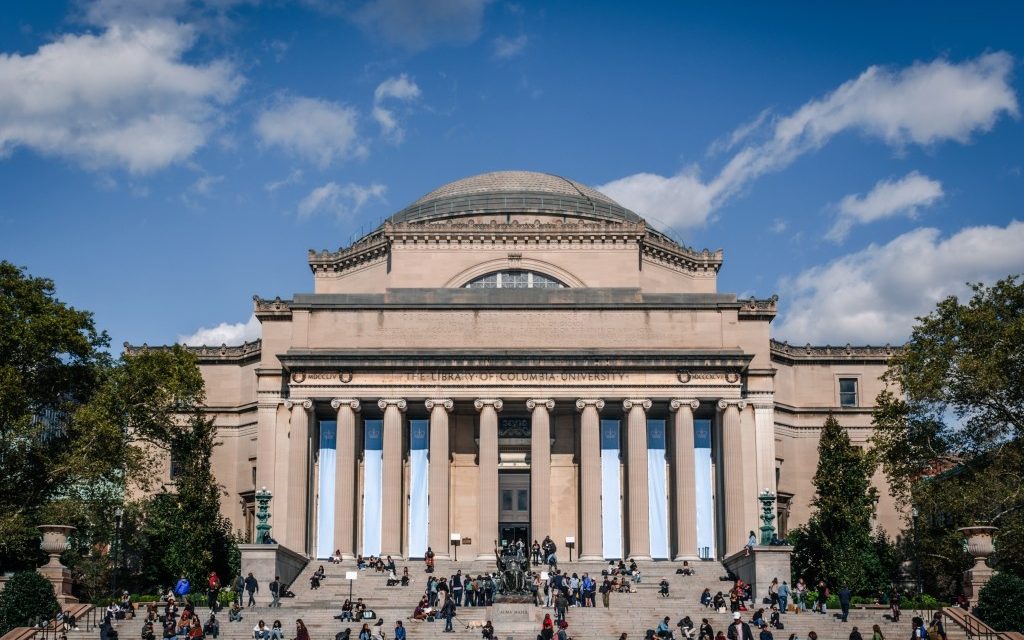
Securing a place at prestigious universities like Harvard and Columbia remains a daunting task. Prospective classes for 2031 are expected to receive between 50,000 and 60,000 applications each. Historically, their acceptance rate hovers around 5%. This creates stiff competition for the young aspirants of today.
Understanding the Evolving Admissions Landscape
Compounding the challenge, college admissions continuously adapt. Universities are adjusting standardized testing requirements and scrutinizing applicants’ use of artificial intelligence. They are also seeking evidence of intellectual curiosity, initiative, and personal development.
The Initiation of College Prep
For parents aiming to boost their child’s chances at Ivy League schools, new questions emerge. When should students begin preparing? What activities hold weight? How can parents aid their children without turning their teenage years into an endless resume-building exercise?
Preparation often starts earlier than senior year. Christopher Rim, CEO of Command Education, notes that some parents start preparation as early as middle school. He advises against overwhelming children: “Let your kid be a kid. Allow them to explore various projects and activities.” Successful admissions are influenced by academic performance, test scores, extracurriculars, recommendations, and personal essays.
The Role of Standardized Testing
Standardized testing has made a comeback at selective schools. Yale University, for instance, mandates SAT or ACT scores for its applicants in the 2026-27 cycle. This is informed by research indicating these scores predict academic success.
However, standardized tests form just one part of the admissions puzzle. Universities value students who challenge themselves academically and fully engage in available educational opportunities. This involves enrolling in rigorous classes and seeking recommendations from well-informed teachers.
Support Through Personal Initiative
Parents can foster their children’s independence, guiding them to plan coursework, identify weaknesses, and establish robust study habits. However, it is equally vital for students to pursue genuine interests to prevent high school from devolving into a mere checklist of achievements.
Extracurricular activities, intellectual interests, and displays of personal initiative make candidates more appealing to admissions officers. Admissions officials seek narratives that reflect students’ authentic interests rather than carefully curated resumes.
A strong example comes from a student passionate about sneakers. He attended a limited sneaker release to resell them, demonstrating entrepreneurial skills and drive. His unique experience distinguished him from others, underscoring that true initiative stands out more than manufactured experiences.
AI and its Implications in College Admissions
The rise of artificial intelligence adds another layer to the admissions process. Technology reshapes learning, yet qualities like resilience and authenticity remain crucial. AI tools aid in researching colleges, organizing applications, and reviewing written work. However, they must not replace personal judgment and individual expression.
Admissions officers, including Princeton’s Karen Richardson, seek genuine expression of thought and values. Authentic interests that affect a student’s life and contribute to their community are most valuable. Rather than chasing trends or fabricating narratives, students are encouraged to showcase what uniquely defines them.
Guidance for Parents and Students
Parents must encourage children to use AI for learning rather than as a substitute for personal effort. Authenticity should drive students’ pursuits. This approach is more important than ever in an evolving college admissions landscape.
About the Author
This article was crafted by Will Kenton, a Brooklyn-based financial journalist and Commerce Editor for the New York Post. He specializes in investing and personal finance, with a background in behavioral economics. Will draws on his experience to offer practical insights on financial decision-making, aiming to help readers effectively manage their investments and loans.
 Melania Trump’s Support for LSU’s New Scholarship Endowment
 DOJ Sues UCLA for Alleged Discrimination Against Jewish and Israeli Students
 Student-Loan Borrowers Face Increased Oversight
 The Role of Public Schooling in Equalizing Social Conditions
 Understanding Information in Modern Classrooms
 The Ongoing Debate on Public Schooling as the Great Equalizer