On Saturday, two jet-powered attack drones passed over the Black Sea and entered NATO airspace. Romanian Air Force F-16 fighter jets responded swiftly, shooting them down with Sidewinder air-to-air missiles. The fragments fell into the sea below. This scenario is increasingly common for NATO’s eastern members.
NATO fighters have been tasked with intercepting suspected Russian UAVs, including incidents in Lithuania and Estonia in September. These interventions show NATO’s capability to counter these threats, but present a significant challenge. The question arises: What happens if the number of drones multiplies from two to 20 or even more?
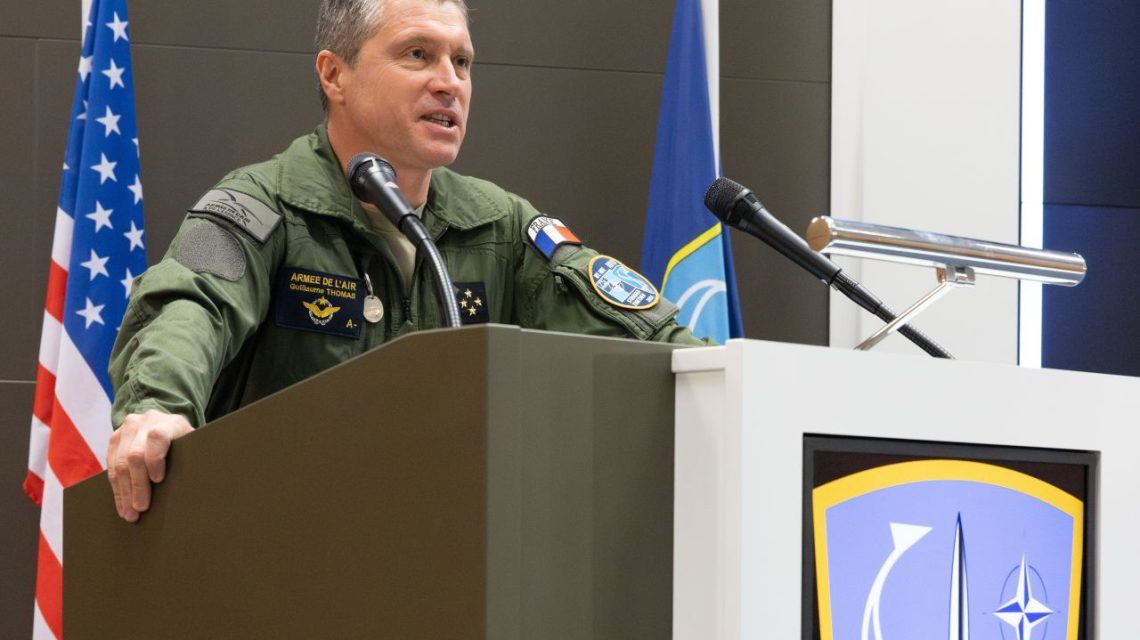
Newsweek engaged with Lieutenant General Guillaume Thomas, NATO Allied Air Command’s Deputy Commander, along with senior air defense officers and an independent air power researcher to assess NATO’s preparedness.
The Price of Protection
Conflicts like those in Ukraine, the Middle East, and Sudan illustrate how inexpensive, explosion-carrying drones cause severe damage, testing top-tier air defenses. Amid mounting European financial concerns, deploying pricey fighter jets with costly missiles against drones poses a clear financial predicament.
Thomas emphasized the priority of protecting people and infrastructure over cost: “If civilian infrastructure is at risk, fighter jets are deployed without hesitation,” he told Newsweek. Colonel Fredi Karu of Estonia’s Air Force underlined how the damage potential of drones can outweigh their expense.
NATO’s increased budget allocations have somewhat justified the expense, but frequent interventions strain resources, affecting missile stockpiles, operational hours, maintenance capacity, and aircrew readiness.
Romania reported 35 unauthorized drone entries in 2026, a significant increase from previous years. Similar incidents have been recorded by Baltic states and Poland, illustrating the problem of routine interceptions. Initiatives like Operation Eastern Sentry, which strengthens air defense on NATO’s eastern flank, aim to counter these threats.
Eyes on the Prize
NATO’s air defense faces a complex challenge: identifying and intercepting aerial threats promptly and accurately. From radar detection to weapon selection, each step requires rapid decision-making. NATO commanders deal with this intricate process, summarized by Thomas as “sense, make sense, and act.”
Effective interception requires reliable threat information. Baltic nations concentrate on early detection, with Estonia maintaining a Command and Reporting Center for real-time updates. Lithuania tests technologies like SkyFortress to enhance threat recognition.
Efforts extend to Latvia, where NATO-related exercises evaluate systems from different nations for cohesive operation. Integrating diverse air defense systems aims to form a united network capable of defeating multiple threats.
Preparing for the Long Haul
Recent conflicts, like those in Ukraine, suggest the massive scale of drone and missile threats. NATO must sustain defenses despite logistical challenges. Thomas acknowledged industrial limitations, stressing the importance of increased ammunition production.
Initiatives like NATO Front Door and NATO Engine intend to boost air-defense production and streamline procurement. Still, effective action demands more than stockpiling; it requires adaptive technologies addressing ever-evolving threats.
Ukraine’s success against drones has prompted adversaries to improve their technology. Dawson explained that defense innovations foster further attacker countermeasures.
As threats evolve, outdated technologies pose financial risks. Alternatives, like Justin Bronk’s suggestion of a dedicated low-cost air defense squadron, aim to bridge the gap. Using inexpensive trainer aircraft in this role provides a temporary solution while advancing next-generation systems.
The Best Defense
Four years into the Russia-Ukraine conflict, Western nations still lack consensus on addressing drone incursions. Armed forces regard these events as hybrid attacks within “grey-zone” warfare, which can complicate responsive measures.
Thomas advocates for a defensive posture, ensuring airspace protection. Dawson argues that disrupting threat-generating networks is essential but invites contentious escalation debates.
Defense alone cannot guarantee complete protection. The Gulf states, despite their wealth, struggle with drone and missile threats. Dawson warns Europe’s public to understand this vulnerability.
For Thomas, accepting the challenging task seems satisfying: “It’s a difficult job, but I like it!”
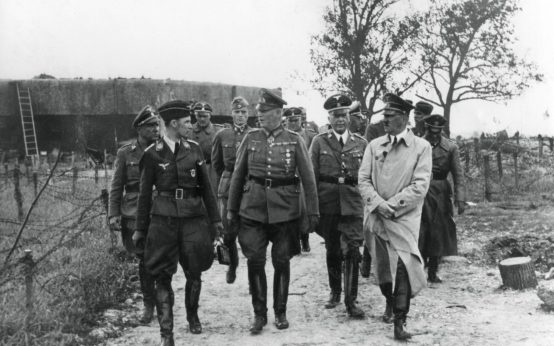 France’s Cycle of Crisis and Reform: Understanding the Current Wave of Chaos
 Australian MP Helen Haines in Critical Condition After Attack
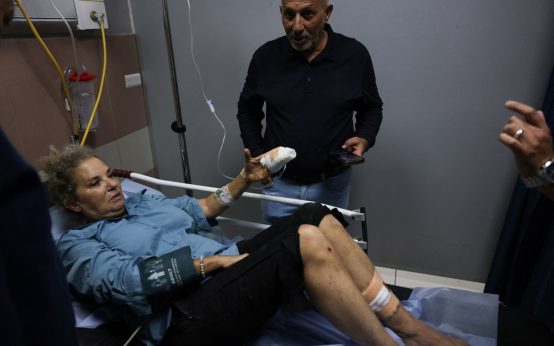 Christian Advocates Urge Trump to Address Violence Against Palestinian Christians
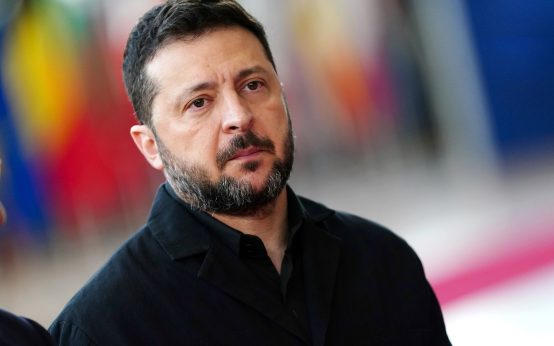 Strains Emerge in U.S.-Ukraine Relations Amid Intelligence Disputes
 Trump Endorses Netanyahu Ahead of Tight Israeli Elections
 Deliberate Attack Critically Injures Australian MP Helen Haines