Columbus, Mississippi — The upcoming U.S. Senate race in Mississippi holds significant potential for political change. On paper, the state appears set for an upset. It boasts the highest proportion of Black voters nationwide, nearing 40%. Economic stresses are pronounced in this agricultural, economically disadvantaged region.
Despite these factors, President Trump secured the state by a 23-point margin in 2024. The state remains deeply divided along racial lines, with insufficient white voter support for Democrats to succeed statewide. In this midterm election cycle, substantial resources are allocated to Senate races in conservative regions such as Iowa, Texas, Ohio, and Alaska. In contrast, Mississippi has received little attention or investment.
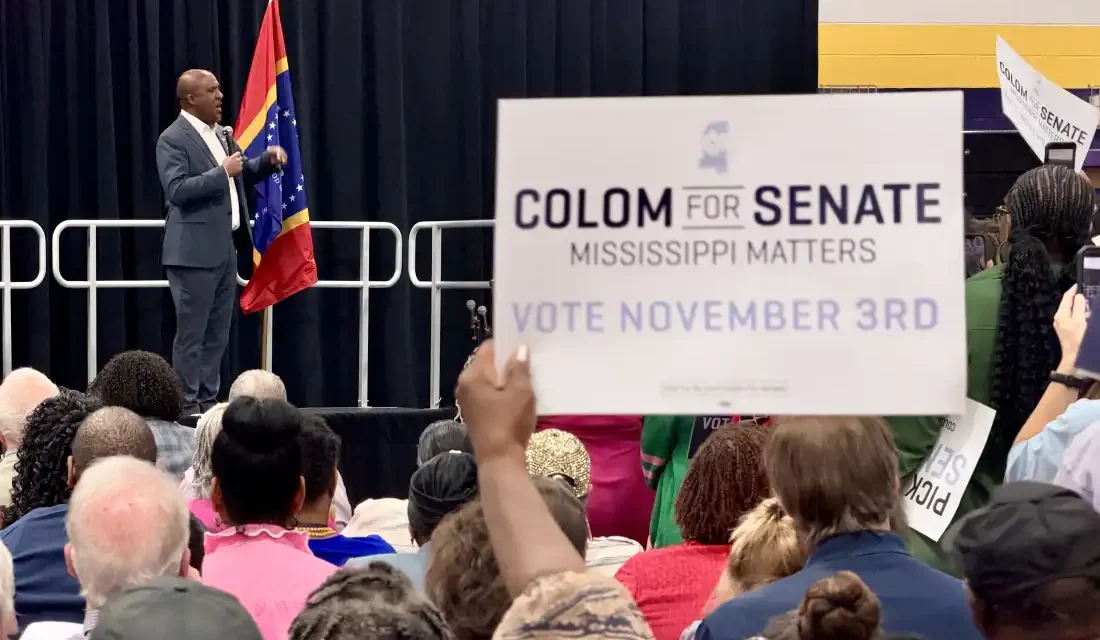
Scott Colom, the Democratic nominee and district attorney, argues that neglecting Mississippi is a mistake. “Mississippi is not a lost cause,” he stated. “The Democratic Party has not aimed to win here, investing almost nothing while spending heavily elsewhere.” Colom contends with incumbent Republican Cindy Hyde-Smith, who previously hindered his federal judge nomination.
Both parties have recently invested in Mississippi, driven by polling indicating paths for Democratic enthusiasm and heightened Black voter turnout. This environment contrasts with the typically strong Republican base and represents a competitive shift.
‘The moral compass of this country is gone.’
A rally in Colom’s hometown, Columbus, attracted approximately a thousand attendees, including former Vice President Kamala Harris. Attendees expressed optimism for change and dissatisfaction with current leadership, citing the war in Iran, rising fuel costs, and frustration with Trump’s second term.
Celestine Rice, an attendee, emphasized the need for political change. “People now realize how dire the situation is,” she explained. “The moral compass is missing, and big money isn’t benefiting the people as promised.” Harris linked political changes to an “incompetent presidential administration,” urging channeling of anger into actionable change.
Meanwhile, President Trump campaigned for Hyde-Smith in Corinth, rallying Republican voters. Hyde-Smith’s campaign stressed the importance of Republican turnout, characterizing Democratic policies as socialist.
Trump cautioned against voter complacency, emphasizing Hyde-Smith’s solid standing in the race. Republicans utilized national Democratic engagement as a critique, labeling Colom as too radical and highlighting crime rates under his tenure as district attorney.
Republican messaging aligns Hyde-Smith with capitalism, democracy, and a free market while portraying Colom as aligned with socialism.
Democrats countered with a substantial financial push. Colom maintains voter dissatisfaction with Hyde-Smith’s performance could potentially lead to her ouster.
Black voter turnout is key.
Beyond Mississippi, this race represents broader discussions about Southern Black voters’ influence. After recent Supreme Court decisions affecting the Voting Rights Act, Republican-led states are seeking to redraw maps limiting Black voter impact.
Colom accused such tactics of undermining democracy by transferring power from voters to leaders. Historical dynamics pose challenges, considering the last Democratic Senator’s election in the 1980s and the last successful statewide Black candidate during Reconstruction.
Nonetheless, the race is closely watched due to apparent anti-incumbent sentiments, increased Black voter turnout, and dissatisfaction spanning across party lines. Ashley Kennedy Shelton, of a Louisiana civic engagement group, noted widespread frustration urging voter participation, predicting tangible impacts at the ballot box.
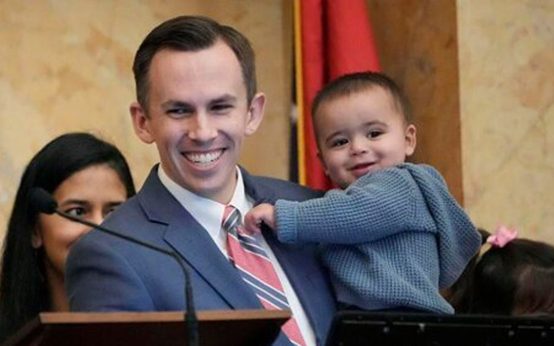 Mississippi State Auditor Shad White Announces Gubernatorial Bid
 Trump Dismisses Third Impeachment Prospects
 Custody Dispute Involving Rep. Max Miller Delayed
 Attorney General Addresses Post-Midterm Democratic Threats
 Senator Elizabeth Warren and the Future of Crypto Regulation
 Bipartisan Opportunities in Foreign Policy