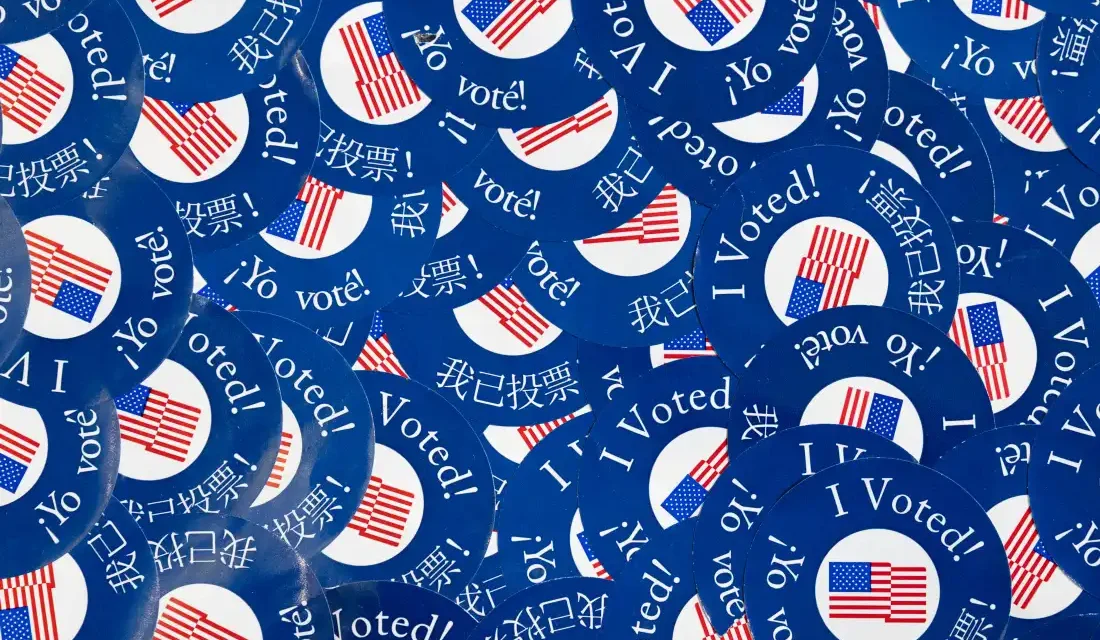
Millions of Americans are approaching the midterm elections with mixed feelings of anticipation and anxiety. For many, these elections could challenge political confidence and security in the weeks to follow.
MAGA and Election Anxiety
Those loyal to President Trump, referred to as ‘MAGA,’ might feel heightened anxiety regarding the midterms. Historical polling suggests that the midterm elections often swing against the incumbent president’s party. This trend appears likely to continue, with expectations of Republican losses in swing and some traditionally red states.
Trump’s last campaign efforts have included visits to Iowa and Kansas to bolster support. Despite past successes in these areas, polls indicate a challenging environment for GOP candidates.
GOP’s Election Strategy
Trump’s team aims to minimize GOP losses. Observers predict the loss of the House majority and an uncertain Senate outcome. The hope is to retain Senate control with Vice President Vance’s tie-breaking vote.
Historically, midterms act as a referendum on the sitting president. Trump’s focus on personalizing the election might impact Republican candidates negatively. His promises, like addressing inflation or foreign policy issues, remain unmet, resulting in declining approval ratings.
Democratic Preparedness
Democrats display confidence in winning at least one Congressional chamber. Their potential majorities are expected to be modest, raising concerns about internal party divisions. The Democratic Socialists of America candidates have gained noticeable attention, affecting campaign dynamics.
Key issues uniting Democrats include energy, economy, and opposition to Trump. However, internal contradictions could challenge their unity in power.
Election System Confidence
Beyond party concerns, election system integrity remains critical. Voting laws and technology improvements have advanced, yet trust in the process is challenged by Trump’s repeated allegations.
Faith in democracy is crucial for its survival, and these midterms may test that faith. Experts generally defend the current electoral processes despite Trump’s ongoing criticisms.
Pattern of Contesting Results
Trump has consistently questioned election legitimacy, suggesting potential fraud in the event of a loss. His rhetoric on ‘fake news’ and ‘fake results’ underlines a well-established pattern of challenging unfavorable outcomes.
The aftermath of election night may hold more tension, with the public and political climate responding to the results in various ways.
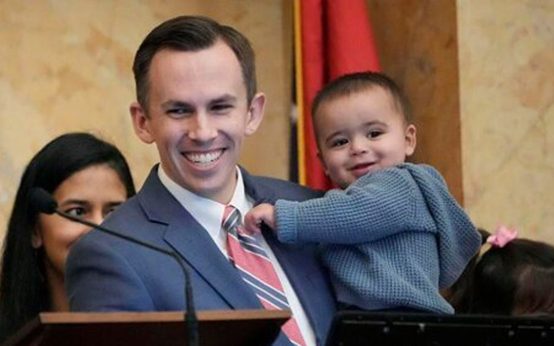 Mississippi State Auditor Shad White Announces Gubernatorial Bid
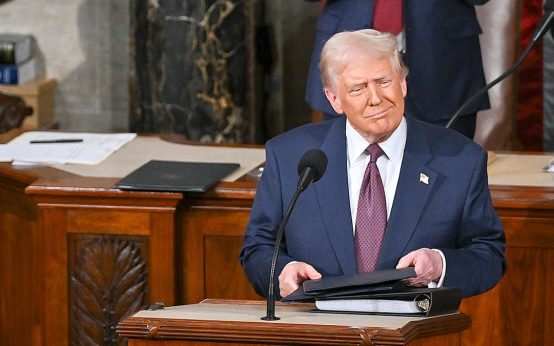 Trump Dismisses Third Impeachment Prospects
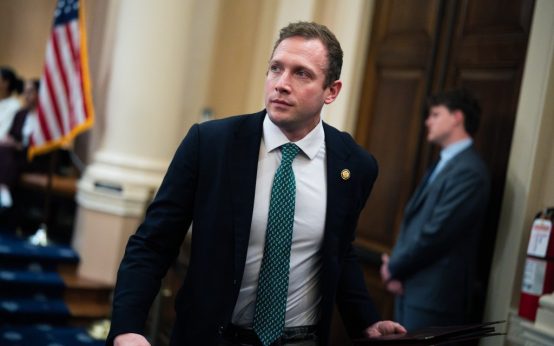 Custody Dispute Involving Rep. Max Miller Delayed
 Attorney General Addresses Post-Midterm Democratic Threats
 Senator Elizabeth Warren and the Future of Crypto Regulation
 Bipartisan Opportunities in Foreign Policy