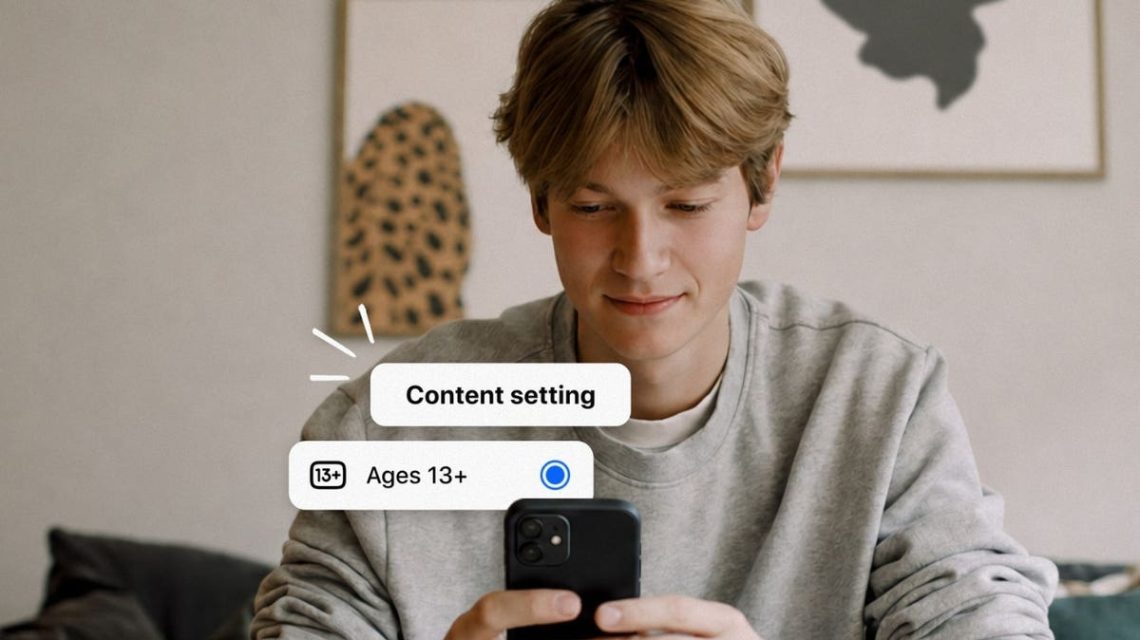
Meta has agreed to a significant settlement aimed at enhancing child safety on its platforms, Facebook and Instagram. The agreement mandates a two-hour daily limit for users under 18, effective across most of the U.S. The restrictions block app access from midnight to 6 a.m. and silence notifications during school hours.
Understanding the New Rules
The agreement requires a default cap of two hours per day on Facebook and Instagram. Time spent on both apps is cumulative, and usage across multiple accounts by a single user is tracked. Direct messaging and long-form content—defined as audio or video lasting at least 22 minutes—are exceptions. A parent’s permission is needed to deactivate the time limit.
Night Mode and School Mode
Night Mode restricts nearly all Facebook and Instagram activities between midnight and 6 a.m., except direct messaging. Meanwhile, School Mode mutes most notifications from 8 a.m. to 3 p.m., Monday through Friday, allowing students to focus more on their studies.
Frequent Prompts and Parent Controls
Prompts will remind teens every 15 minutes about screen time. Alerts also occur at 60 and 90 minutes of daily use. These serve to enforce the two-hour limit more effectively. Teens will have more oversight over their feed preferences, such as selecting a non-personalized feed. Autoplay can also be disabled by teens or mandated by parents.
Updates to Likes and Filters
Meta will hide like and reaction totals by default for teen accounts. They’ve extended restrictions on appearance filters by removing access to extreme makeup filters, in addition to their ban on cosmetic surgery filters.
Age Verification and Parental Alerts
Improving age verification is pivotal for these measures. Meta will invest in technology to detect users under 13 and correctly identify users 13-17 at risk of being misrepresented. Parental supervision tools will expand, providing alerts when changes occur in teen account settings.
Relation to TikTok and YouTube
Meta’s financial package ties to similar actions by TikTok and YouTube, encouraging the adoption of daily limits and overnight restrictions. Meta’s settlement claims that protections lose impact if restrictions aren’t industry-wide due to teens switching platforms.
Industry-Wide Call for Action
Meta is urging other platforms, including TikTok and YouTube, to adopt similar safeguards industry-wide. It argues that cohesive action makes individual platform limits more effective.
Long-Term Goals
The broader framework allows stricter measures, such as a reduced daily limit of one hour if additional platforms get involved. Meta’s commitments initially run for five years, but could extend to ten if industry peers join.
App Store Role
Meta suggests app stores should assist in verifying ages and obtaining parental approval for app downloads, advocating for legislative support to this end.
Independent Oversight and Research
An independent auditor will evaluate Meta’s compliance, reporting annually for five years. A new research foundation will focus on teen well-being using data from consenting users.
Parental Steps
- Set up Meta’s supervision tools to oversee safety settings.
- Review your teen’s screen time to set realistic limits.
- Check privacy and contact settings on your teen’s accounts.
- Use phone-level controls, like Apple Screen Time, to manage device usage.
- Implement a nighttime phone routine outside of Meta’s apps.
These steps can support Meta’s new measures and encourage healthier social media habits among teens.
 Data Centers Stir Controversy in Texas Amid Growth Boom
  The Technology Rivalry: Trump’s Meeting with Xi and the AI Ecosystem Clash
  Ways to Protect Your Finances from Cyber Threats
  Interview with Nvidia CEO Jensen Huang: AI Outlook and Business Strategy
  Concerns Rise Over Addictive Design of Sports Betting Apps
  Seton Hall National Security Graduate Fellowship Provides Hands-On Experience