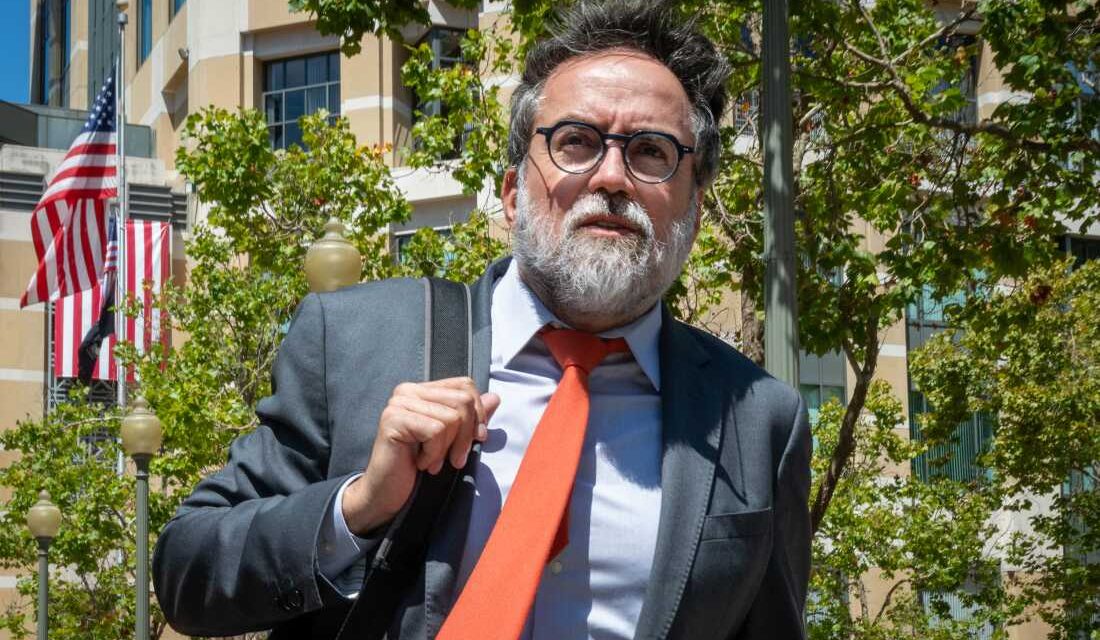
Arturo Béjar, a former Meta engineer turned whistleblower, provided critical testimony in the ongoing trial against Meta, which is being accused of fostering social media addiction among young users. The trial is taking place at the Ronald V. Dellums Federal Building & United States Courthouse in Oakland, California.
Internal Culture Prioritized User Numbers Over Safety
Béjar commented that Meta’s corporate culture emphasized user numbers at the expense of safety. He suggested that CEO Mark Zuckerberg had the power to change the culture but did not. According to Béjar, addressing wellbeing and safety was practically impossible under the existing conditions.
Béjar’s statements form a critical part of the legal effort led by states including California, Colorado, Kentucky, and New Jersey. These states have sued Meta for violating consumer and child data protection laws while misleading the public about the potential dangers of its platforms.
Allegations of Enhancing Platform Addiction
The attorneys argue that Meta intentionally designed Facebook and Instagram to keep young users engaged for extended periods using features like infinite scrolling and the like button. Meta, however, denies these accusations.
Paul Schmidt, Meta’s attorney, claimed that the company was aware of the risks to teens and attempted to address them. He argues that Meta did not deceive the public.
Béjar Addresses Zuckerberg’s Denials
During his testimony, Béjar contested Zuckerberg’s public denials that Meta prioritized profits over safety. Referring to a Facebook post from 2021, Béjar stated that Zuckerberg’s claims were inaccurate, citing myriad internal studies showing risks to teens on the platforms.
Corporate Policies Over Safety Features
Béjar accused Meta of implementing policies that favored increasing usership and revenue over user safety. He criticized Meta’s voluntary safety features, asserting they were designed to fail as they were not default settings, likening them to having to activate an airbag each time entering a car.
Previous Whistleblowing Actions
This is not Béjar’s first criticism of Meta. In 2023, he testified before the Senate, alleging that Meta promoted harmful content to teens. His concerns were also detailed in an interview with The Wall Street Journal.
Implications of the Trial
This case focuses on the addictive features of Meta’s platforms rather than the content shared on them. It questions whether these features were designed to promote compulsive use for financial gain by leveraging targeted advertising.
Meta attorney Brian Stekloff questioned Béjar about whether he resolved any of the safety issues while at Meta. Béjar stated the inherent complexity of these issues remained largely unsolved, and described certain features as unsafe for teenagers.
The trial is projected to last six weeks, and it is one among many lawsuits against social media companies alleging their platforms contribute to youth mental health challenges.
 The Challenges and Risks of Autonomous AI Models
  Conservative Activist Urges AI Safety Measures
  FBI Modernizes Cybersecurity to Counter AI Threats from China and Russia
  Keurig Dr Pepper Introduces AltaRounds to Reduce Coffee Pod Waste
  Impact of Trump’s AI Accord in Washington
  Fox News Achieves Top Spot on YouTube and Social Media Platforms