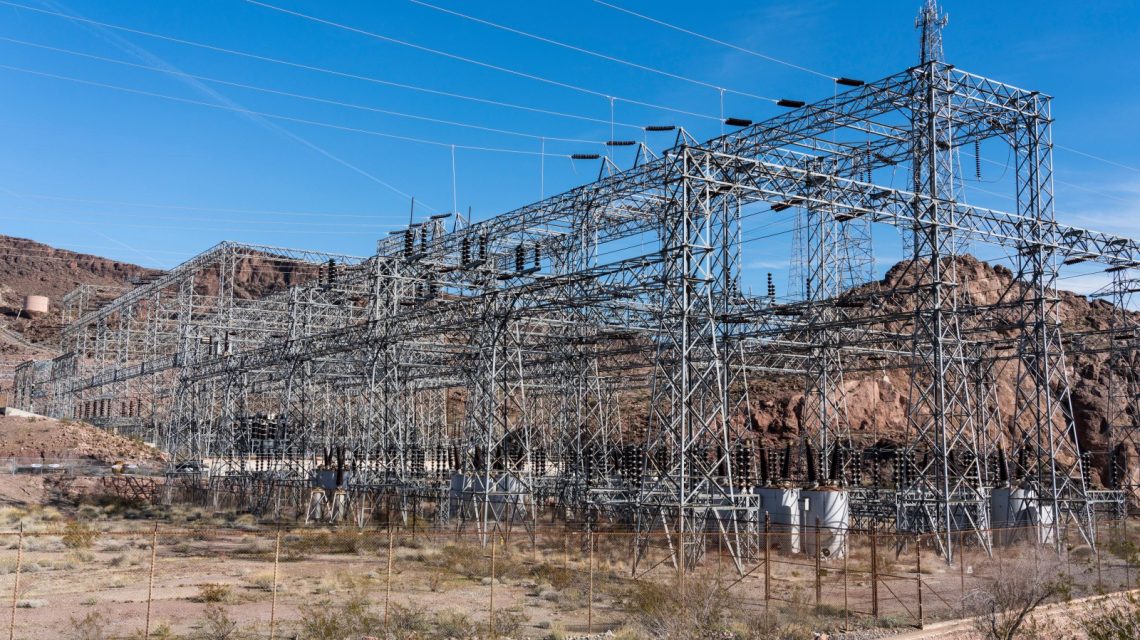
America’s power grid is facing significant challenges that may hinder the distribution of electricity to homes and data centers. A study conducted by Johns Hopkins University warns of a potential shortfall in transformers and other crucial grid equipment by 2027. The researchers predict severe shortages by 2030, highlighting the urgency of addressing this issue.
Implications of Equipment Shortages
The lack of essential equipment could slow new power plant development, renewable energy initiatives, electric vehicle infrastructure, and AI data centers. Without enough transformers, bringing new electricity sources online becomes difficult.
This type of equipment was taken for granted, but without it, you can build a data center or a power plant but it won’t be powered because you cannot connect it to the grid,said Yury Dvorkin, the study’s lead author.
Consumers are likely to experience higher electricity bills and more frequent outages. Dvorkin explained that Americans will feel the shortage’s impact directly through increased costs and indirectly via reduced power reliability. Additionally, many transformers currently in use are aging and nearing the end of their lifespan.
The Role of Transformers
Transformers and converters are vital components of the energy infrastructure, crucial for transmitting electricity across networks and delivering it to end-users. However, replacing these components takes considerable time due to their custom-built nature and the extensive materials required, including steel and copper. Lead times for transformers have increased from six months to over two years.
The research suggests a potential 15% transformer shortfall by 2030, with other grid equipment facing up to 30% shortages. As power demand rises, projected to grow by 21% by 2030, these shortages could become a significant roadblock.
Impact of AI and Supply Chains
Data centers, crucial for artificial intelligence systems, use substantial amounts of electricity, equivalent to smaller countries in some cases. The Lawrence Berkeley National Laboratory predicts that by 2030, data centers could consume nearly 12% of U.S. electricity.
The challenge is compounded by reliance on international partners for essential materials like copper and steel. Disruptions in global trade could exacerbate the shortages. Dvorkin suggests planning for these challenges well in advance to prevent infrastructure from becoming a barrier to power supply.
The final point to make is that it is not only new equipment. In a stretched market, keeping existing transformers running costs more as well: parts, repairs and maintenance all go up,explained Dvorkin.
Unsatisfied demand may impact reliability, with fast-growing electricity needs putting more stress on current equipment, leading to more frequent failures. As lead times for replacements have extended significantly, severe weather further stresses the system, increasing the likelihood of power outages.
 Handling Identity Theft: Steps for Recovery
 The Transformation of Brussels Sprouts
 Amazon Enlists NYC Customers Against City Council Bill
 The Controversy Surrounding Jensen Huang and Nvidia
 GAO Finds Federal Agencies Lacking in Cybersecurity Planning
 Grand Theft Auto VI Sparks Relationship Challenges