Measles has returned as a significant public health concern in the United States. Over the past two years, the spread of the disease has continued to rise. According to a tracker from Johns Hopkins University that collects local and state health data, there have been 2,295 confirmed measles cases in the U.S. as of July 22.
This number has surpassed the total cases in 2025, which were 2,286 nationwide. Outbreaks have been reported across the country, with particular concentration in areas such as Pennsylvania, South Carolina, Florida, Virginia, Utah, Texas, and Arizona. In 2025, Texas experienced the largest outbreak with 803 cases.
Measles cases have officially surpassed 2025 numbers, with the U.S. reporting 2,295 cases in 2026.
The latest update from the CDC on July 17 indicated 34 new outbreaks in 2026, compared to 48 in 2025. Local outbreaks accounted for most cases, and some were tied to international visitors.
Data reveals that 93% of measles patients this year, as well as last year, were either unvaccinated for measles, mumps, and rubella (MMR) or had unknown vaccination statuses. Most infections occurred in individuals aged 5 to 19.
While there have been no reported deaths from measles in 2026, the CDC noted three deaths occurred in 2025.
Measles was declared eliminated by health agencies in 2000. However, the disease can spread through contact with infectious droplets or become airborne via coughing or sneezing. The virus can remain active in the air for up to two hours after an infected person leaves the area.
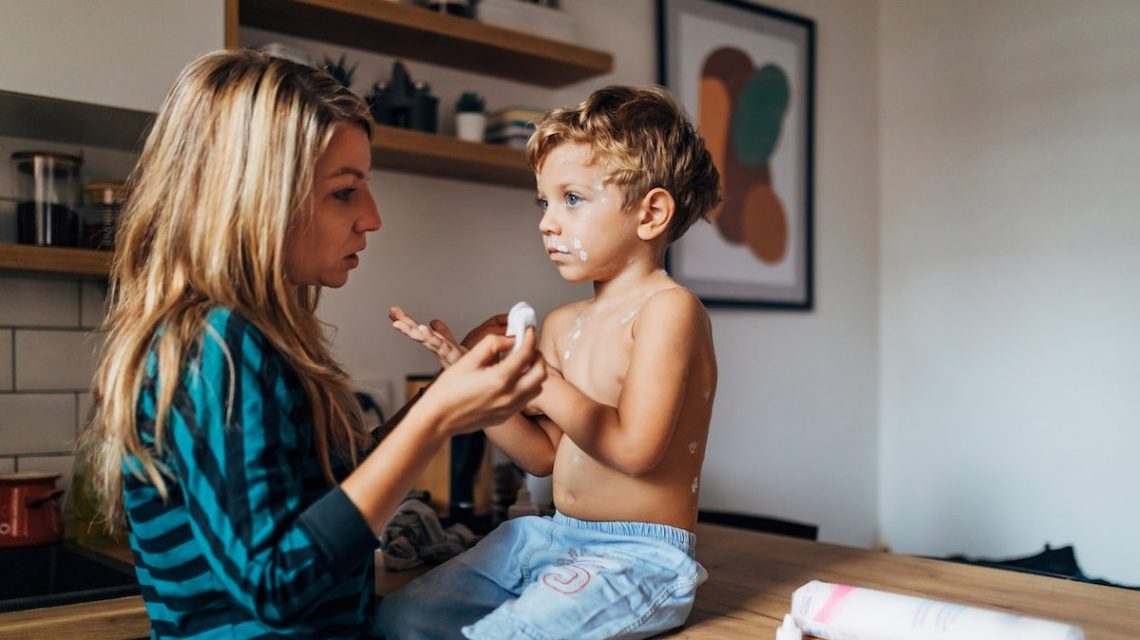
Symptoms typically appear within one to two weeks, including high fever, cough, runny nose, and red, watery eyes. A few days later, flat, red spots may appear on the face and spread down the body. People are most contagious four days before and after the rash appears.
Community Protection Importance
Dr. Marc Siegel, Fox News senior medical analyst, highlighted the contagious nature of measles.
Measles is so contagious that up to 90% of susceptible individuals, exposed to an infected person, will become infected,” he stated. He stressed the need for community protection, explaining, “We need a 95% vaccine coverage rate to achieve herd immunity.
The doctor explained that herd immunity is calculated based on a disease’s contagiousness and the effectiveness of immunity obtained through vaccination or previous infection.
A two-dose vaccination is nearly 100% effective, and natural immunity following a measles infection is generally lifelong. This isn’t merely a personal choice; it’s about community protection. We must safeguard those unable to receive a live virus vaccine due to immunocompromised conditions or pregnancy.
He warned of the U.S. risk in losing its measles elimination status due to the prolonged and numerous outbreaks, indicating sustained local transmission rather than isolated cases from international travel.
The CDC advocates that everyone receive two doses of the MMR vaccine, emphasizing vaccination as the best defense against measles. Anyone presenting symptoms or suspecting exposure should self-isolate and consult their doctor before visiting a medical center to prevent further spread.
Angelica Stabile is a lifestyle reporter for Fox News Digital.
 Florida Reports First Dengue Fever Death as Outbreak Expands
  Federal Relief Funds Used for Anti-Racism Training in Albuquerque Schools
  Florida Man Claims ‘Lion Diet’ Transformed Health and Life
  Concerns Over Food Safety and Its Impact on Families
  A Mother’s Tragic Journey Under Abortion Ban
  Medical Diagnosis Errors: Understanding the Crisis