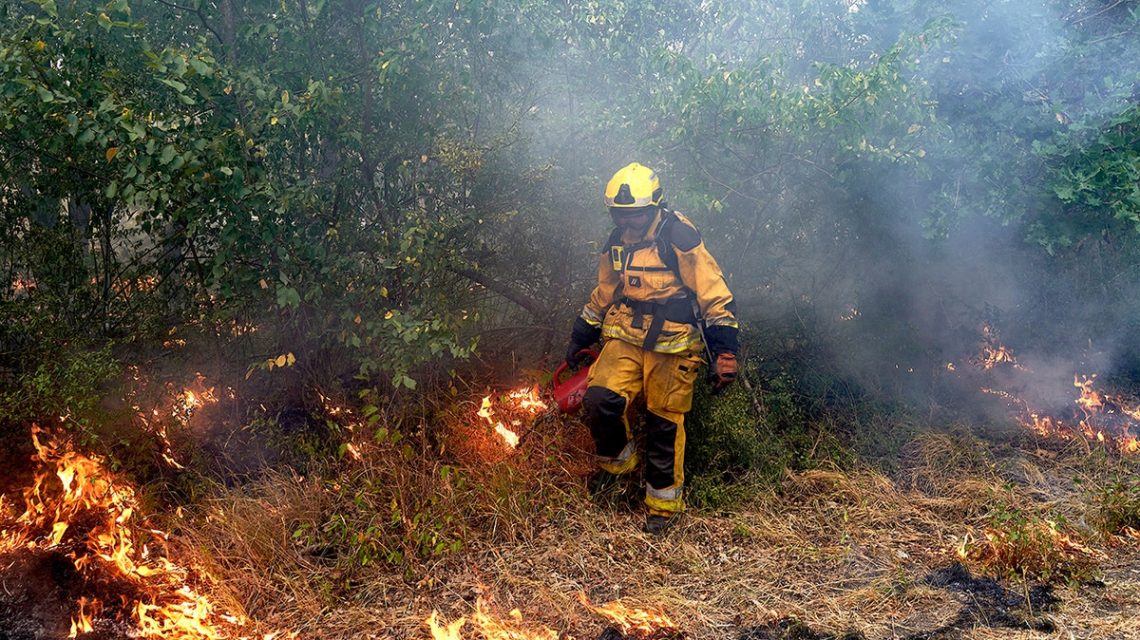
Since the start of this month, France and Spain have faced severe wildfires. The fires have been so intense that some have compared them to apocalyptic scenes. Buildings and forests have been ravaged as these countries endure a significant heatwave, setting unprecedented temperature records across Europe. Tragically, this extreme heat has already caused thousands of deaths.
However, high temperatures alone do not account for the outbreak of these fires. Just last week, a major fire scorched the well-known Fontainebleau Forest near Paris, burning 2,000 hectares (4,942 acres) of woodland. About 1,000 residents evacuated the area, while 850 firefighters struggled to control the blaze, a task expected to last for weeks.
Data from France’s Ministry of Agriculture reveals that human activities cause nine out of ten wildfires. Causes include negligent actions like unattended campfires and unextinguished cigarettes. This year’s record heat in France and Spain only intensified the situation, turning grasslands into tinderboxes.
Regulations in both countries limit the clearing of certain protected lands, contributing to the problem. Daniel Lacalle, the chief economist at the Madrid-based Tressis investment company, noted that policies on nature restoration and construction sometimes hinder necessary brush clearing.
Efforts to manage and maintain these lands have been challenging. Prohibited clearing has let brushes accumulate, creating hazardous conditions during such extreme heat.
In Turkey, wildfires have also led to human evacuations, with tragic loss reported among firefighters striving to control the flames. In France, emergency services have now contained the Fontainebleau blaze, which authorities believe resulted from arson. The fire caused significant destruction within what was once a royal hunting preserve.
In the United States, fire causes mirror those in France, with data from the National Interagency Fire Center (NIFC) and the U.S. Forest Service showing that 85% of wildfires result from human actions. However, lightning-initiated fires in America typically cover more area due to their remote locations.
French Interior Minister Laurent Nuñez reported finding ten ignition points in a small radius near the Fontainebleau fire. This pattern suggests a deliberate cause. President Emmanuel Macron visited the site, extending support and emphasizing zero tolerance for arson, as the fires threaten national land.
Simultaneously, Spain contends with multiple wildfires. In Zaragoza, a fire has devastated 12,000 hectares (29,653 acres), prompting evacuations across six villages. Other fires near Madrid and in Guadalajara have affected thousands.
Lacalle noted that the unprecedented speed of the fires has surprised experienced firefighters. In Spain’s Andalusia region, a fire resulted in at least 13 fatalities, including a 93-year-old woman. Numerous individuals remain missing due to severe conditions.
Much of Spain’s population is urbanized, leaving vast rural spaces neglected. Lacalle pointed out that uncleared scrubland increases fire risks. During extreme heatwaves, these dry areas can ignite from something as minor as a smoldering cigarette.
A study from the University of East Anglia indicated a 40% rise in human exposure to wildfires over the years from 2002 to 2021, largely due to population growth and migration to fire-vulnerable regions. However, land burned by fires has decreased by 26% in the same period.
The Guardian reported that roughly 2,000 deaths occurred in France at June’s end, linked to the enduring heatwave, which experts predict will continue through August. The country’s outdoor activities have seen numerous cancellations, particularly in the south.
Analysts, like Shawn Hackett, identify unusual climatic conditions as drivers of this persistent warm, dry pattern, including warm Mediterranean and cool Atlantic waters, leading to continued challenges in managing these crises.
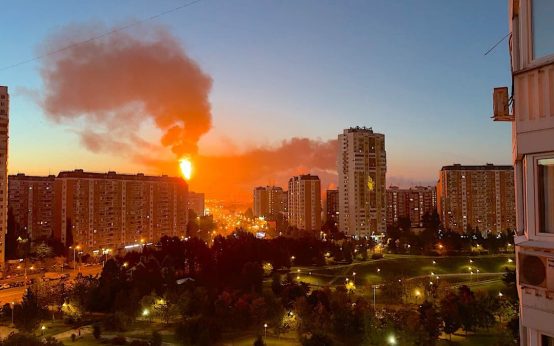 Ukraine Missile and Drone Barrage Hits Russia Amidst Elections
  U.S. Strategic Goals Remain Unmet Amid Prolonged Conflict
  New Photos Reveal Damage from Iranian Strikes in the Middle East
 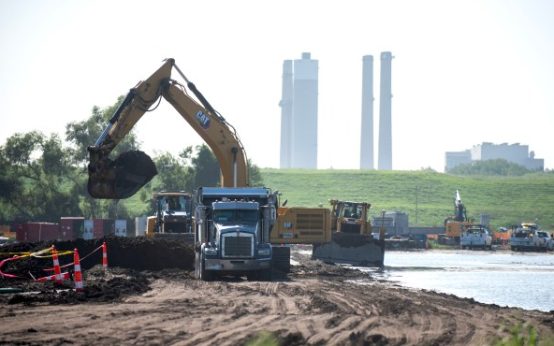 EPA Dismantles Greenhouse Gas Rules, Causing Concern
  Assassin of Chilean Diplomat Orlando Letelier Faces Deportation 50 Years After Assassination
  Gorillaz and Macklemore Respond to Controversy Over Israel-Palestine Statements