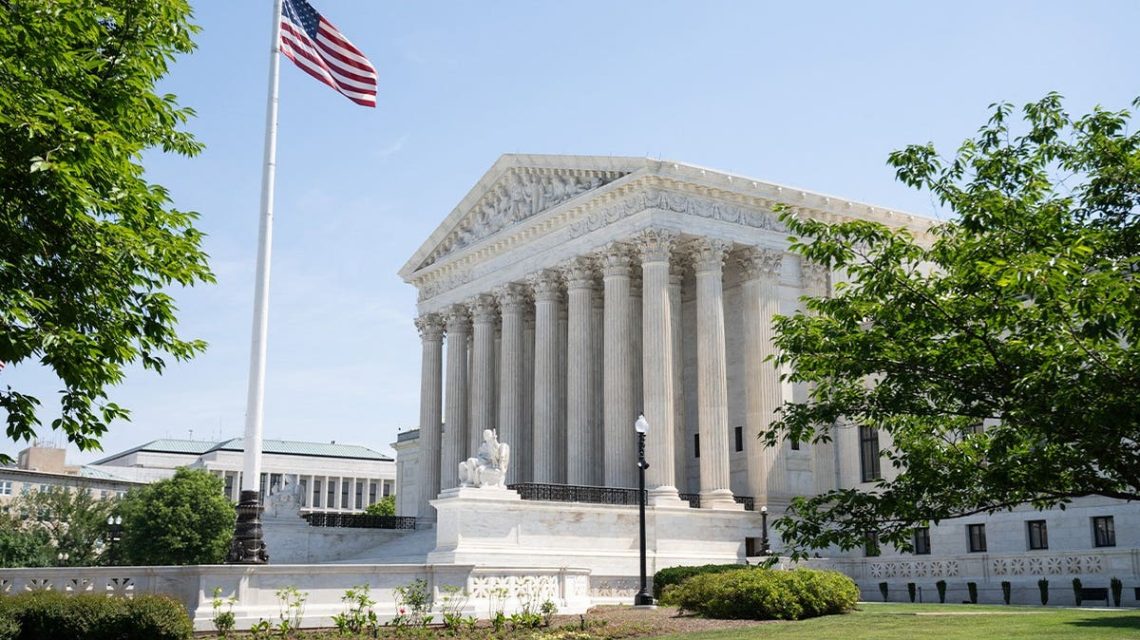
A legal dispute in Massachusetts might reach the U.S. Supreme Court. The case involves whether the city of Quincy can install statues of St. Michael the Archangel and St. Florian outside its public safety headquarters. The Becket Fund for Religious Liberty, representing Quincy, expects a decision soon from the Massachusetts Supreme Court.
Joseph Davis, senior counsel at Becket, expressed confidence that the court would rule in their favor, criticizing the ACLU’s position as “anti-art and anti-history.” He stated that displaying civic art should not be avoided simply because it might remind people of religion. The city aims to honor first responders with these symbols, seen as inspiring courage and sacrifice.
The statues, originally reported by The Patriot Ledger, are 10-foot bronze sculptures intended for the new public safety headquarters. They were crafted in Italy and chosen by Quincy Mayor Thomas Koch. St. Michael is recognized as the patron saint of police officers, while St. Florian is the patron saint of firefighters.
Koch said the statues’ purpose is to “honor, inspire, and encourage” first responders and to “boost morale.” Critics argue that the plan lacked public disclosure and violates Massachusetts’ constitutional guidelines on religious neutrality.
The legal action began in May 2025, when some Quincy residents and faith groups sued the city and Mayor Koch. The lawsuit claims the installation of these statues breaches the state’s constitutional protections on maintaining religious neutrality.
The plaintiffs include the ACLU of Massachusetts, the national ACLU, Americans United for Separation of Church and State, and the Freedom From Religion Foundation. The ACLU of Massachusetts argues that the statues are derived from Catholic iconography and lack secular purpose, claiming they advance a religious message.
A counter brief by the National Fraternal Order of Police and Massachusetts Fraternal Order of Police suggests that St. Michael is respected by people of various faiths. It emphasizes that many first responders appreciate the saints for their symbolic significance to their profession.
The Massachusetts Supreme Judicial Court established a legal test for analyzing claims related to religious neutrality about 50 years ago, which remains valid. According to ACLU of Massachusetts legal director Jessie Rossman, installing religious iconography as the sole adornment at a government building violates the state constitution. The government should remain neutral on matters of religion to allow varied beliefs to coexist.
As the city awaits the court’s decision, Mayor Koch’s office has declined to comment.
 A Critical Perspective on National Spending and Healthcare from Representative Eric Burlison
  House Republican Criticizes Funding for Trump’s Arch Proposal
  House Bill Proposes Dual Benefits for Combat-Injured Veterans
 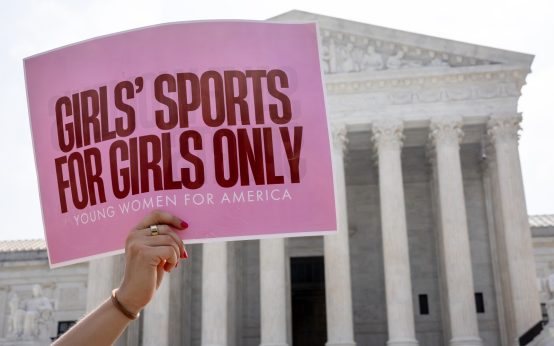 Democrats Navigate Transgender Athlete Debate Amid Midterm Elections
  Gen Z’s Early Workforce Success Compared to Millennials
 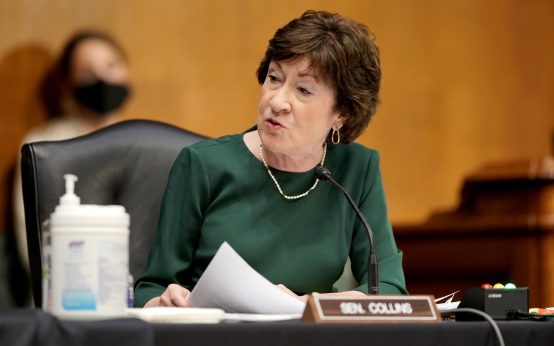 Senator Collins Warns Against Politicization of NIH Grant Funding