Understanding Distress and Coping Mechanisms
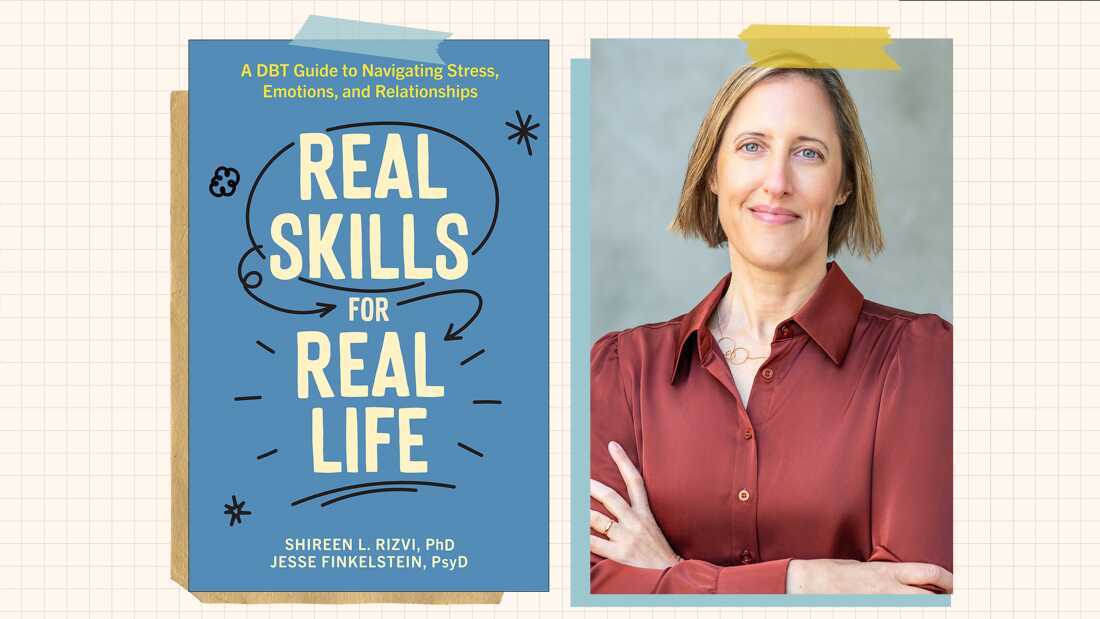
Shireen Rizvi, a psychiatry professor at Montefiore Medical Center, discusses the common ways individuals react to distress. She highlights that actions such as lashing out or ignoring the issue stem from an inability to handle what feels unbearable. Learning to accept and effectively respond to distress is crucial, as outlined in her recent book.
The Role of Dialectical Behavior Therapy (DBT)
Rizvi’s book, co-authored with clinical psychologist Jesse Finkelstein, offers tools from DBT to manage challenging emotions. Developed by psychologist Marsha Linehan for treating borderline personality disorder, DBT skills benefit a wide range of individuals facing various emotional challenges beyond complex mental health issues.
TIP Techniques for Moments of Extreme Distress
Rizvi introduces a practical set of techniques called TIP in her book. These are designed for times when distress clouds clear thinking, such as after a major argument or during a significant life crisis.
- Temperature: Immerse your face in a bowl of cold water and ice, holding your breath as long as comfortable. This activates the mammalian dive reflex, slowing heart and respiratory rates.
- Intense Exercise: Engage in vigorous physical activity like jumping or running stairs for 30 seconds or more. This raises your heart rate initially; when you stop, it decreases, yielding a calming effect.
- Paced Breathing: Breathe in for four counts and out for six. This method eases the heart rate and helps clarify emotions, contrasting the hyperventilation seen in distress.
- Paired Muscle Relaxation: Tense muscles group by group, then release them. Pair this with breathing and associate the release with relaxation words. This enhances the relaxation effect.
Addressing Misconceptions About Distress
Rizvi emphasizes that distressful feelings are temporary. Understanding that intense emotions will eventually pass helps people manage them without rushing to eliminate the discomfort.
“The feeling, no matter how intense or awful, will pass.” — Shireen Rizvi
For further inquiries or experiences, reach out to NPR at [email protected], or explore Life Kit’s content through Apple Podcasts and Spotify.
 The War on Poverty: A Lesson on Intentions and Outcomes
  Florida Reports First Dengue Fever Death as Outbreak Expands
  Florida Man Claims ‘Lion Diet’ Transformed Health and Life
  Concerns Over Food Safety and Its Impact on Families
  A Mother’s Tragic Journey Under Abortion Ban
  Medical Diagnosis Errors: Understanding the Crisis