Introduction
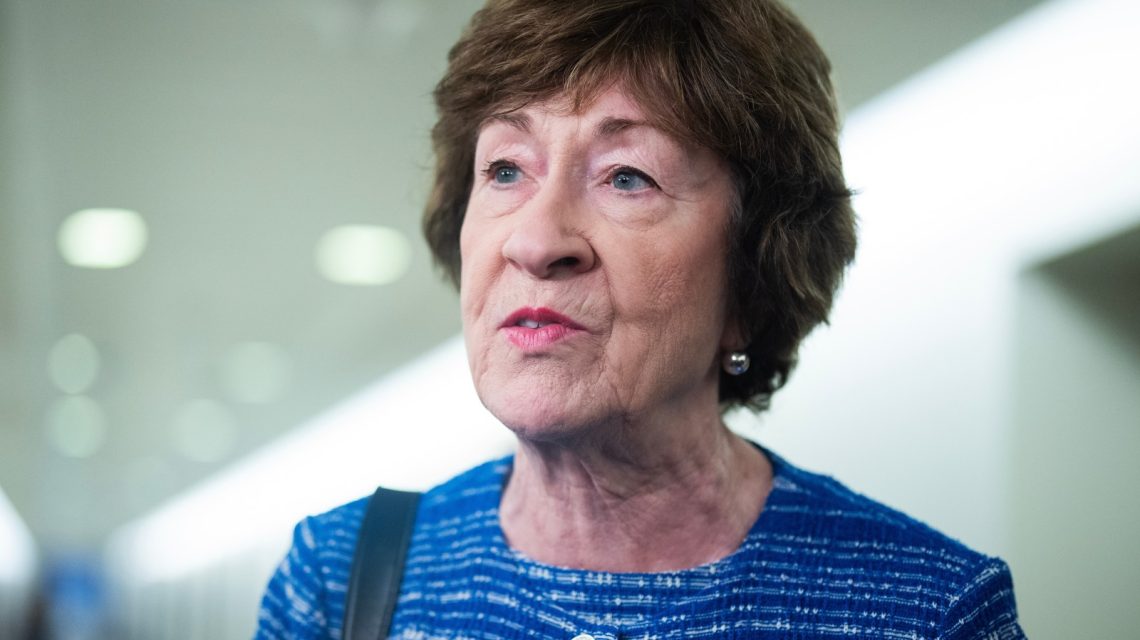
Senator Susan Collins faces a significant challenge in her reelection bid as home heating oil prices soar ahead of the 2026 midterm elections. This situation poses a political risk not only for Collins but also for Republicans nationwide, who are striving to maintain their majorities in both the House and Senate.
Record High Heating Oil Prices
Fuel prices are experiencing dramatic increases, with recent disruptions in the Strait of Hormuz, a vital global oil passageway, exacerbating the situation amid the ongoing Iran conflict. In Maine, the reliance on home heating oil is profound, with over 50 percent of residents using oil as their primary heat source. According to the Northeast Gas Association, prices have been climbing steadily as winter approaches, stressing household finances as voters consider Collins’ reelection.
The Maine Department of Energy Resources reported that home heating oil prices averaged $6.02 per gallon statewide last week, compared to $3.33 per gallon a year ago. The cost had previously peaked at $5.92 in May 2022 amidst inflation following the pandemic. Rural areas face even higher costs.
The Political Impact in Maine
For many Mainers, high heating costs are a constant concern, highlighted by Mark Brewer, a political science professor, who notes the importance of heating costs in the state’s political climate. The cold, extended winters make heating expenses a pressing issue, further intensified by current price hikes.
Collins’ Reelection Challenges
The rise in home heating prices complicates Collins’ reelection efforts. Competing against Democrat Troy Jackson in what is shaping up to be a toss-up race, affordability is a primary concern for voters both within Maine and across the United States.
Collins has faced criticism for her perceived alignment with the Trump administration, which is being blamed for the increase in heating costs due to the Iran war. While Collins distances herself from Trump, Democratic opponents argue that her legislative track record shows support for his agenda.
Regional Implications
Fuel costs are exceedingly high in Northern and Central Maine’s conservative regions, averaging $6.05 and $6.09 per gallon. While Jackson might not win these areas, focusing on heating prices could narrow Collins’ lead.
Collins highlights her advocacy for federal support through programs like the Low-Income Home Energy Assistance Program (LIHEAP). Despite efforts to address rising costs, criticism from Democrats persists.
Political Dynamics
Jackson’s campaign criticizes Collins for supporting policies that have allegedly increased energy costs, including backing the Iran conflict. Democrats’ statements argue Collins’ voting history, supporting Trump’s initiatives, has elevated Mainers’ expenses.
Collins and Senator Angus King have approached Trump, urging him to release supplies from the Northeast Home Heating Oil Reserve. Their letter stresses that Maine’s vulnerability due to oil imports makes relief from reserve supplies crucial.
Polling Insights
Recent polls showcase a competitiveness between Collins and Jackson. A survey by The New York Times and Siena University reports Collins leading by 3 points, while alternative polls reveal Jackson ahead.
The state has historically yielded unpredictable polling outcomes, with Collins prevailing despite previous unfavorable predictions.
Importance of the Maine Senate Race
Democrats view Maine as critical in their strategy to reclaim a Senate majority. While challenging, Maine offers an opportunity to gain a seat in conservative territory. Facing robust efforts from both parties, the race remains a toss-up.
With forecasters considering Maine one of the most competitive battlegrounds, intense campaign strategies are expected from both sides. Democrats aim to leverage national momentum to overcome Collins, who has navigated Maine’s unique political landscape successfully in past elections.
 Democratic Women’s Caucus Unveils Economic Agenda
  White House Reopens Part of Lafayette Square
  Mamdani’s Child Care Plans and Their Potential Impact
  Challenges in Addressing Global Crises
  Key Updates on U.S. Politics and International Relations
  Alaska Politics Focus on ‘Lower 48’ in U.S. Senate Race