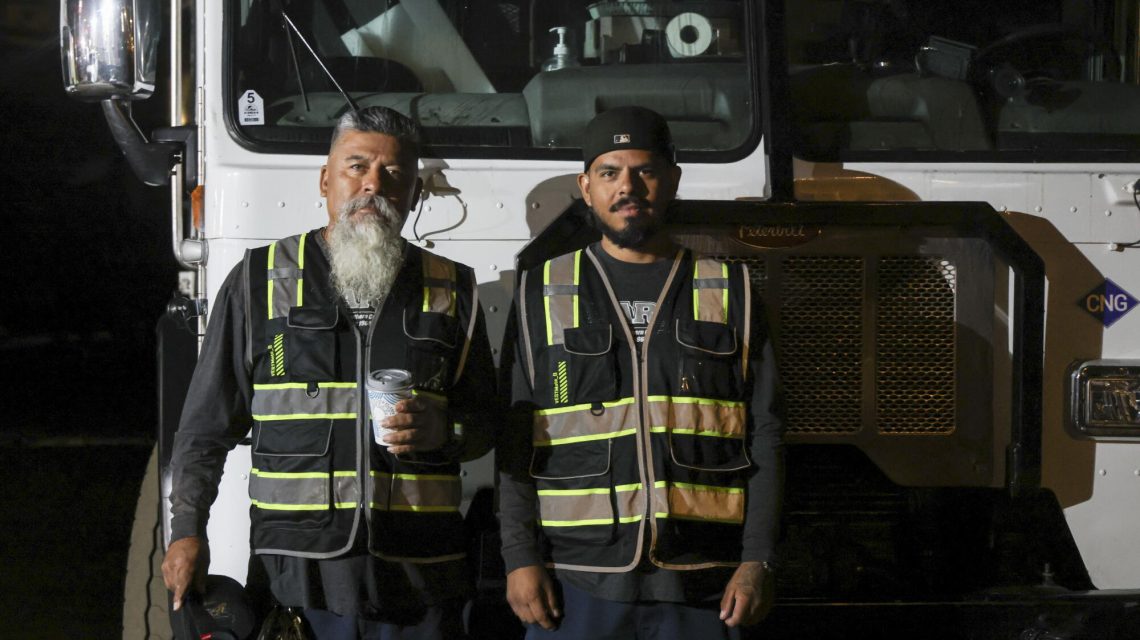
Escondido, Calif.—On a Thursday morning at four o’clock, Salomon Olea prepared a ham-and-cheese torta and a white peach for lunch, kissed his wife goodbye, and left his home in Escondido that he’s owned for nearly three decades. He drove a brief five minutes to a small apartment complex to collect his son, Angel, while Angel’s three children remained asleep. Together, they drove another half hour in silence, the car’s head beams the only illumination on otherwise deserted streets.
Salomon and Angel Olea both work as drivers of commercial trash trucks for a private waste company. They spend 12 hours daily navigating the northern suburbs of San Diego, emptying recycling and trash bins from schools, restaurants, convenience stores, and even a church. For Salomon, aged 55, and the older generation of truck drivers, the job has provided stability and the ability to buy homes and raise families in safe neighborhoods of Southern California, all thanks to a trashman’s paycheck.
Such jobs once represented a path to the American dream for men without college degrees. Between 1980 and 1990, there was a rise in incomes for manual labor jobs, empowering many to buy homes. Back then, over two-thirds of construction workers and mechanics were homeowners. However, the scenario has shifted drastically as wages stagnated, home prices increased, and less than half of manual labor workers are homeowners today.
Angel, 33, is renting an apartment while saving for a house down payment. The results are still elusive despite working the same long hours and taking helpful overtime.
Arriving at a truck depot north of San Diego before sunrise, Angel and Salomon wore long-sleeved shirts and striped vests much like a dozen other men joining them, some of whom had driven up from Tijuana the previous night. As they sipped instant coffee, they gathered around the truck yard boss, attempting to stay mentally alert despite the early hour. After a safety video, each driver received a paper route list with addresses, including schools, office parks, and apartment buildings.
Angel climbed into the cab of a front loader Mack truck, checked the truck’s oil, ensured no alert lights were on, and turned on ’90s House music with his AirPods. The drivers fired up their engines, setting off on San Diego’s streets by 5:30 a.m., with Angel leading and Salomon a few trucks behind.
When Angel was young, he didn’t understand the mockery when he said he wanted to become a trash man during a class assignment.
Salomon began his sanitation job at 23 in 1994, after working on construction sites, at Home Depot, and a printing press. Encouraged by Maria, his wife, he connected with a cousin working in the sanitation field. He started by cleaning trash truck beds and assisting drivers, soon getting his commercial driver’s license to operate his own truck.
By then, Salomon had two children, Yesenia and Angel. One day, Angel lost a ball over a fence and was scolded by a property manager. Salomon decided it was time to buy a home, so his children could play freely. He took on strenuous overtime shifts, endeavoring to earn extra pay, and even coordinated lunch breaks with Maria driving the kids to spend moments with him.
By 1998, Salomon managed to purchase a three-bedroom house in Escondido for $127,000. The house represented a significant achievement, especially for Salomon, who immigrated to the U.S. as a teenager after losing his parents in Mexico.
At Angel’s first McDonald’s stop, he parked alongside cars in the drive-through line. Before operating his hydraulic steel arms, he remembered his father’s safety advice and checked the lid, only to find a face staring back. This check has become necessary due to about 5,100 homeless people sleeping outside or inside vehicles in San Diego County, sometimes inside trash bins.
“The housing situation impacts everyone,” Angel reflected about the individuals he often finds sleeping in cars at jobsites, sometimes wearing uniforms of the businesses they rest nearby.
According to experts, over 38% of households in San Diego County spend more than a third of their income on housing costs—a burden reflecting unaffordability and sustainability challenges.
Currently, Angel and his wife, Estephania, pay $2,800 monthly for a two-bedroom apartment in Escondido. It’s a tight fit for the family of five. The couple was close to saving a house down payment but needed more due to unforeseen expenses.
Their savings dwindled because of necessary expenses like car repairs and braces for their eldest son, Angel Jr.
“We just feel like our heads are above water,” Angel admitted.
As the workday continues, each trash pickup grows smellier in the rising temperatures. Salomon endures the refuse from school cafeterias and shared bins at businesses until reaching their last stops—Salomon heads for the landfill while Angel visits the recycling center—marking the end of their 14-hour workday.
Arriving in Escondido, Angel’s children—Ruby, Isaac, and young Angel III—run out to greet their father, eagerly hugging their grandfather next. Salomon soon drives home, leaving Angel to end the day with dinner and a shower, before quickly sleeping to start the same routine the next morning.
Feeling exhausted, Salomon thinks about conversations with Angel; despite differing circumstances, he reassures his son that broader housing challenges are not indicative of individual failure.
This report is part of The Times’ equity reporting initiative, funded by the James Irvine Foundation, exploring challenges faced by low-income workers in California and efforts to address economic divides.
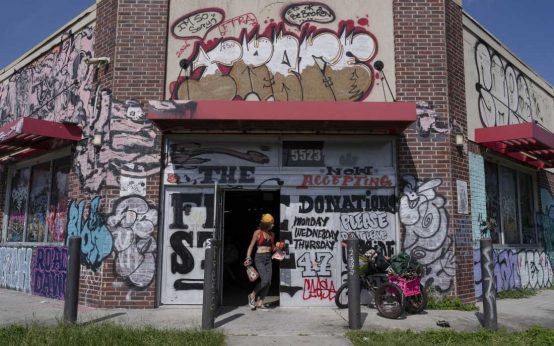 Community Relief Efforts at New Orleans Free Store
 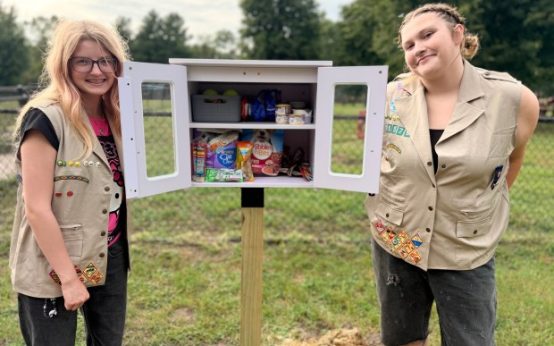 Girl Scout Troop 35579 Project: Pet Pantry for Woodland Park
  Children’s YouTube Star Ms. Rachel Draws Scrutiny Over Links to Palestinian Photojournalist
  Community Initiatives and Updates in Indiana
  The Dark Side of MLB’s Recruitment in the Dominican Republic
  Giants Honor 9/11 Anniversary with MetLife Stadium Tribute