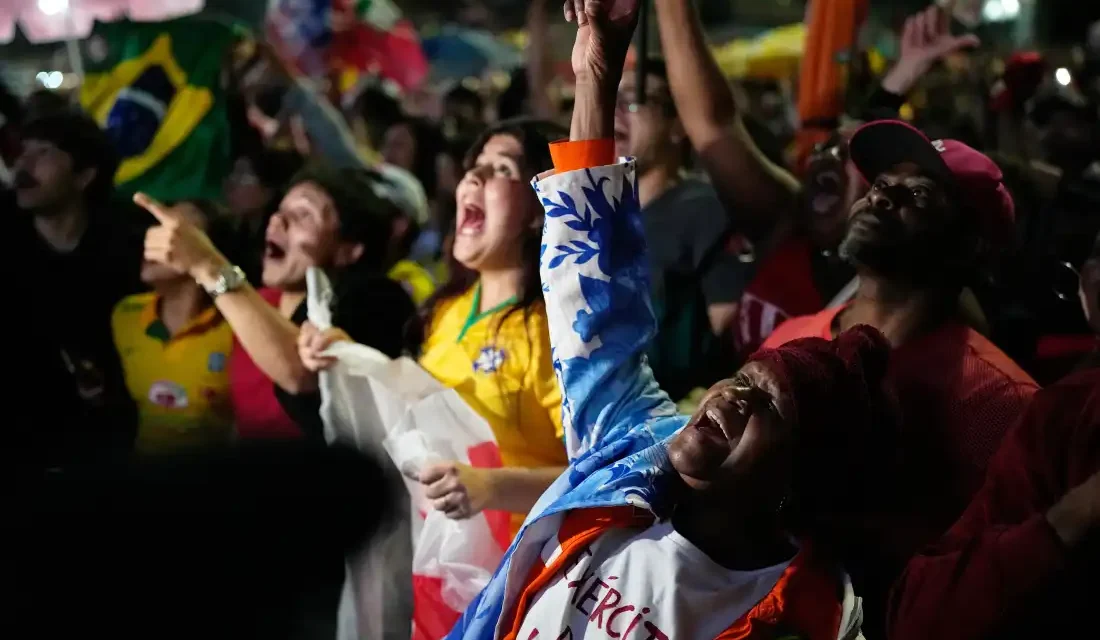
Lula Makes Historic Comeback in Brazilian Presidential Runoff
In a remarkable turn of events, President Luiz Inácio Lula da Silva has been elected the President of Brazil following the runoff election on Sunday, October 25, 2026. Official results confirm Lula’s victory with over 51% of the vote, defeating Sen. Flávio Bolsonaro who garnered more than 48%.
Lula’s triumph marks a significant shift in Brazil’s political landscape, overcoming a right-wing dynasty associated with closer ties to former U.S. President Trump. His success extends his political career, which has already included three nonconsecutive presidential terms.
Election Day Challenges
The election day was fraught with logistical issues. Lula’s campaign called for an extension of voting hours, citing reduced bus services that hampered voter access to polling stations. Similarly, Bolsonaro requested an extension due to severe rainfall affecting several states.
Supreme Court Justice Cristiano Zanin granted the extension, pushing closing time by two hours past the standard 5 p.m. Unfortunately, some polling stations had already deactivated their electronic voting machines, preventing further voting. At one such station in Rio de Janeiro, 36-year-old accountant Manuela Tunas arrived after 6 p.m. following a flight delay, unable to vote. She expressed frustration, stating, “This is absurd. If some people can vote, and others can’t, it’s unfair.”
International Implications and Political Dynamics
The election captured global attention due to its impact on Latin America’s growing right-wing movement, the preservation of the Amazon rainforest, and Brazil’s democracy, which spans nearly 40 years. Flávio Bolsonaro, son of ex-President Jair Bolsonaro, had promised to pardon his father, who is currently serving a 27-year sentence for attempting to overturn Lula’s 2022 victory.
Initial voter apathy gave way to vibrant campaigning as Bolsonaro’s lead in the first round on October 4 energized the contest. Supporters from both camps rallied, filling public spaces and utilizing social media to influence voters. Lula’s emphasis on social spending and continuity ultimately persuaded many.
Alessandra Miguel, aged 35 and a spa worker residing in Rocinha, described the shift in voter perception as crucial. “I think people woke up to the risks of a Bolsonaro government after the first round, and the mobilization made a difference,” she remarked after casting her vote for Lula.
Challenges Ahead
Lula now faces the challenge of leading a deeply divided nation. Jairo Nicolau, a Brazilian political scientist specializing in presidential elections, noted the unprecedented rigidity in political allegiances. “Unlike past years, people’s identity of belonging to a tribe became more important than how they view different policy options,” he explained.
This is a developing story.
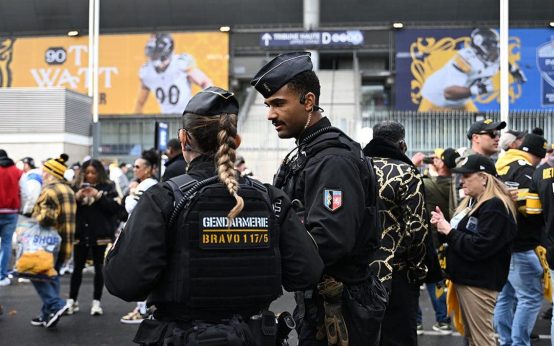 NFL Game in France Resumes Amid Protests and Concerns
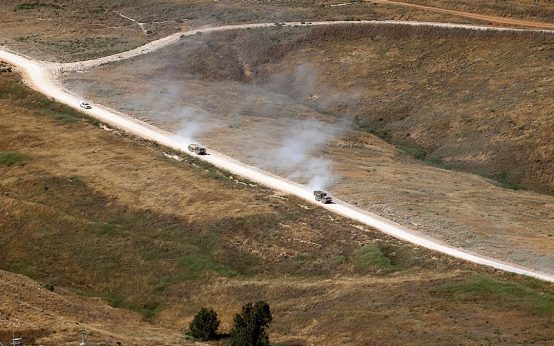 Israeli Military Launches Extensive Drills Amid Rising Tensions
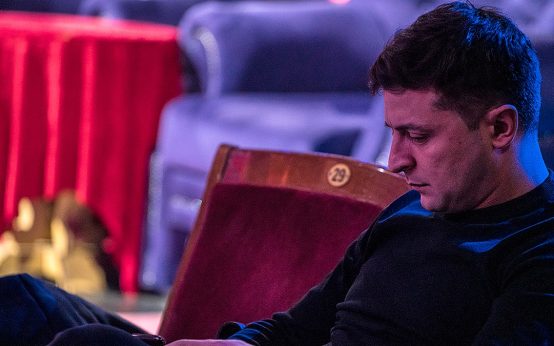 Zelenskyy’s Former Spokesperson Urges Peace Talks in Moscow
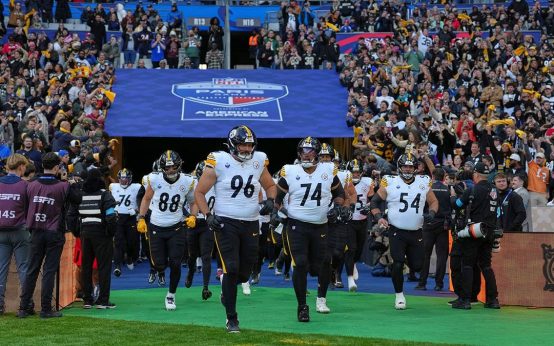 Reactions to National Anthem Alteration at NFL Game
 Donald Trump’s Ongoing Frustration with the Nobel Peace Prize
 Zelensky Accuses Russia of Intensified Attacks, Musk Restores Starlink Services