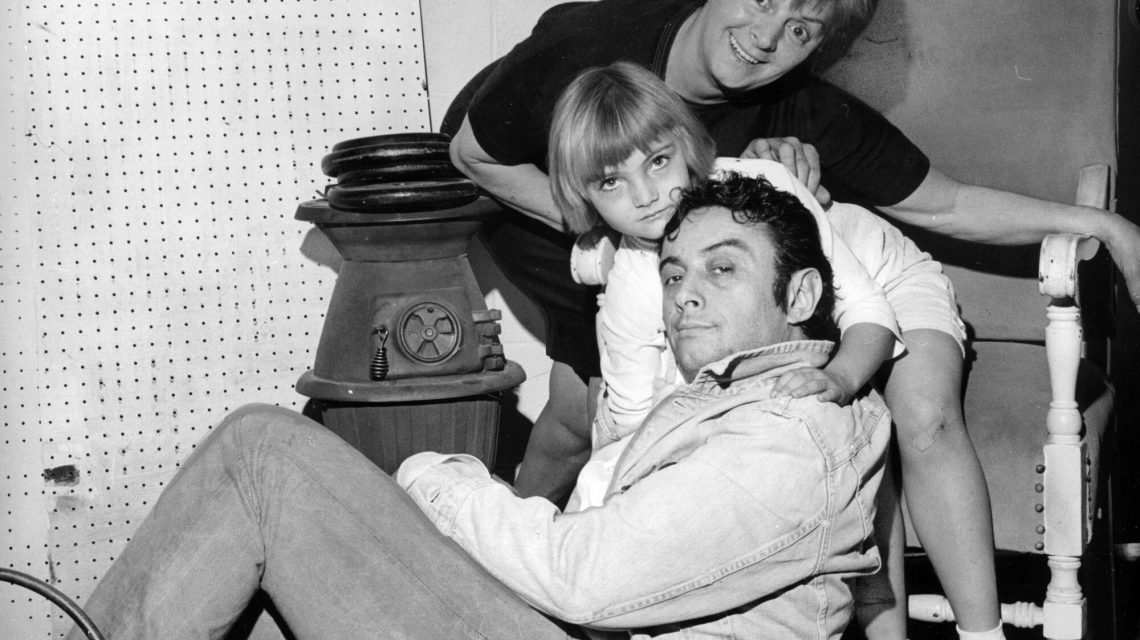
The comedian Lenny Bruce found himself on the witness stand, aiming to articulate his unorthodox approach to comedy. Night after night, Bruce had battled consistently against the risk of arrest by Los Angeles vice cops. Throughout this period, he sought to transform stand-up comedy beyond the traditional Borscht Belt one-liners. His performances included political satire, critiques of those in power, and improvisational riffs, all utilizing unrestrained language. This approach laid the groundwork for future comedians.
In February 1963, Bruce faced obscenity charges in Beverly Hills Municipal Court. The prosecutor questioned his expectations for his audience’s takeaways from his performances. Bruce aimed for compassion towards humanity, arguing against the imprisonment of individuals who did not belong in jail. At 37 years old, Bruce testified that he wanted people to cease penalizing each other and advocated for the release of those imprisoned undeservedly. He considered his trial a waste of time and taxpayer money, labeling it “insanity” and “preposterous.” The obscenity charges arose from performances at The Troubadour nightclub and The Unicorn coffeehouse, where Bruce used explicit language including words like “asshole” and “schmuck bastard.”
This was not the first time Bruce faced legal action for obscenity, nor would it be the last. He also experienced narcotics busts, attributing them to the vice squad’s determination to penalize him for his club acts. To prevent queries about the needle marks on his arms, he carried a doctor’s note authorizing intravenous methamphetamine for “severe depression and lethargy.” Within years, Bruce, an iconoclastic comic, became a weary, defeated man. His pioneering act dwindled to dismal recitations of legal issues, with audiences leaving as he read onstage trial transcripts. Upon his death in August 1966, due to a heroin overdose at age 40, Los Angeles authorities escorted photographers into his home to view his body, framing Bruce as a “sick comic” who died a “sick death.”
A series by Christopher Goffard revisits old crimes in Los Angeles and beyond, drawing from archives and personal accounts. Bruce’s death photos circulated widely, as if authorities wished to showcase the squalor of his final days, reflecting the perceived corruption of his act. 1st Amendment scholar Ronald K.L. Collins noted how these images cemented Bruce’s reputation as a “dirty, vulgar drug user,” portraying him as a bad character. However, his friends and supporters linked his decline to law-enforcement harassment. Phil Spector, who produced his records, declared in Billboard that Bruce “died from an overdose of police.” His life inspired a play, a 1974 film starring Dustin Hoffman, documentaries, books, and portrayals in series like “The Marvelous Mrs. Maisel,” introducing Bruce to newer generations.
Bruce remains highly revered among comedians and advocates of the 1st Amendment. Collins, co-author of “The Trials of Lenny Bruce: The Fall and Rise of an American Icon,” described Bruce as evolving into a cultural hero posthumously. Martyrdom became a key aspect of his legacy, with figures like comedian Eddie Izzard and Playboy publisher Hugh Hefner asserting Bruce’s role in fighting for freedom of speech.
Lenny Bruce, born Leonard Alfred Schneider on Long Island, left school at 16. He began his comedic career at a Brooklyn nightclub for $12 a week, joined the Navy, and attended acting classes in Hollywood on the GI Bill. He honed his act in the smoky strip clubs and jazz joints of Southern California during the mid-1950s, characterized by his Beatnik-like improvisational style. He targeted organized religion, bigotry, and hypocrisy, highlighting societal contradictions. His routine “Religions, Inc.” satirized the commercialization of faith, and he famously critiqued the opulence of the Catholic Church’s headquarters.
Many noted Bruce’s evangelistic approach to stand-up, addressing subjects like the derogatory treatment of drug addicts and homosexuals. His comedy confronted taboo words with the belief that repetition could diminish their harmfulness, a stark contrast to current progressive views.
The Beverly Hills trial lasted two days, featuring testimonies from officers like vice squad sergeant Sherman Block. Bruce’s defense attorney, Burton Marks, challenged the understanding of Yiddish terms used by Bruce, causing Block to admit that he had previously used such language. The court proceedings illustrated the clash between cultural norms and artistic expression.
Subsequent arrests further highlighted this tension, including one incident where Bruce discussed Jackie Kennedy’s reaction during JFK’s assassination, critiquing mainstream portrayals of her actions. Despite moments of cultural acceptance, he faced obscenity convictions that led to his blacklisting and fixated him on his legal battles.
Bruce’s legacy persists in showing the progression of obscenity law, which evolved to protect artistic expression. His bold language and subjects contrast significantly with today’s sensitivities, and he remains a controversial figure in comedy.
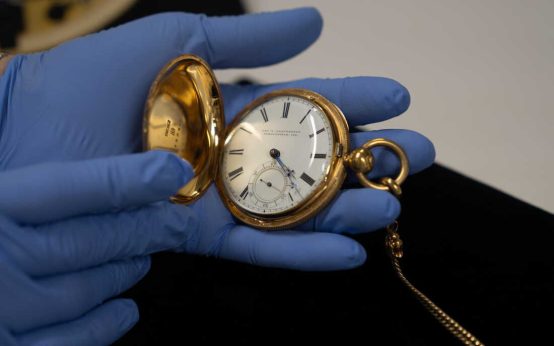 Abraham Lincoln’s Pocket Watch: A Piece of History
 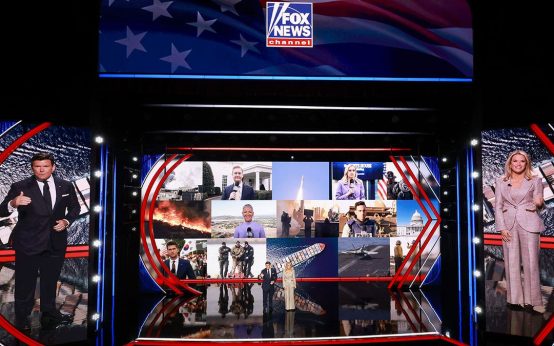 Reflections on 30 Years at Fox News
 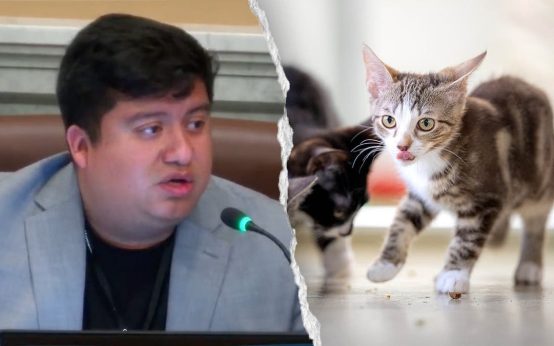 Minneapolis City Council Member’s Remarks on Waymo Cars Killing Cats Spark Criticism
  Martina Navratilova’s Impact On and Off the Tennis Court
 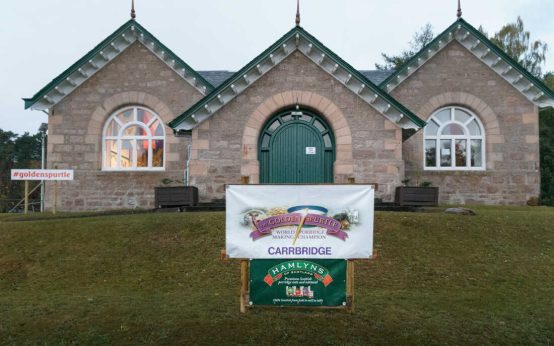 Celebrating Tradition: The World Porridge Making Championship
  Miss Manners Column Sparks Discussion on Language Sensitivity