
**Russia’s political landscape** has seen significant activity since the onset of the Ukraine conflict in February 2022. Russian leader Vladimir Putin has consistently maintained that the military action, termed a “special military operation,” is supported by the Russian populace. Official statements purport that *national consensus* backs this operation.
However, the exclusion of the Yabloko party, known for its anti-war stance, from the electoral process brings this narrative into question. The party’s chairman, Nikolai Rybakov, recently greeted supporters outside Russia’s Supreme Court in Moscow as the party faced formal barring from the upcoming ballot. This move calls into question the authenticity of the Kremlin’s reported national solidarity.
The **Kremlin’s stance** has often involved heavy messaging aimed at demonstrating internal unity. Yet, political maneuvers like restricting dissenting political voices suggest an alternate reality. **Public perception** might not be as monolithic as official narratives claim.
In light of these recent developments, it is important to consider the broader implications for political discourse and democratic processes in Russia. Excluding opposition voices might serve as a tactical measure for control, but it concurrently reveals potential vulnerabilities in the broader messaging strategy.
 Democrats and Republicans Face Off Over Ideology and Endorsements
 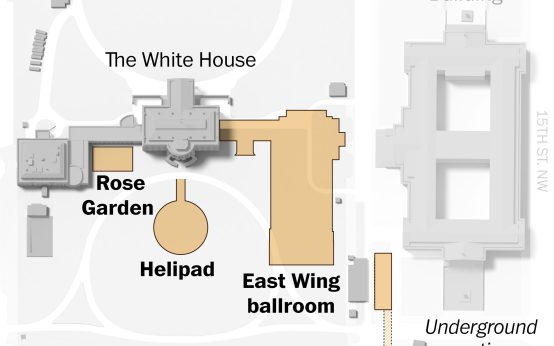 White House Construction Projects to Cost $900 Million
 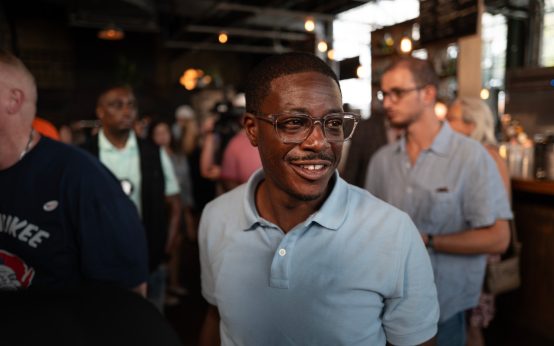 Democrats’ Prospects Improve for Wisconsin Governor’s Race
 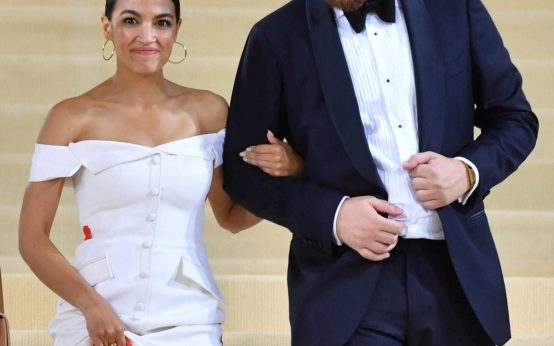 Private and Public Life of Alexandria Ocasio-Cortez Under Scrutiny
  Challenges in Chicago’s Education System
 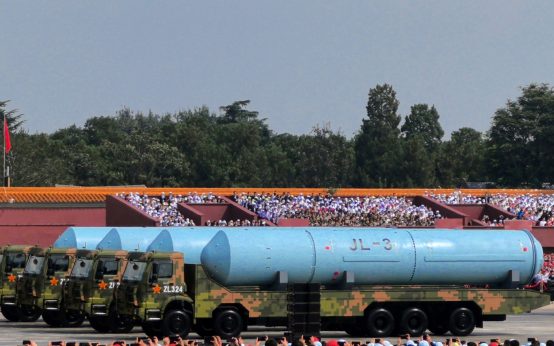 Global Concerns Over China’s Recent Missile Test