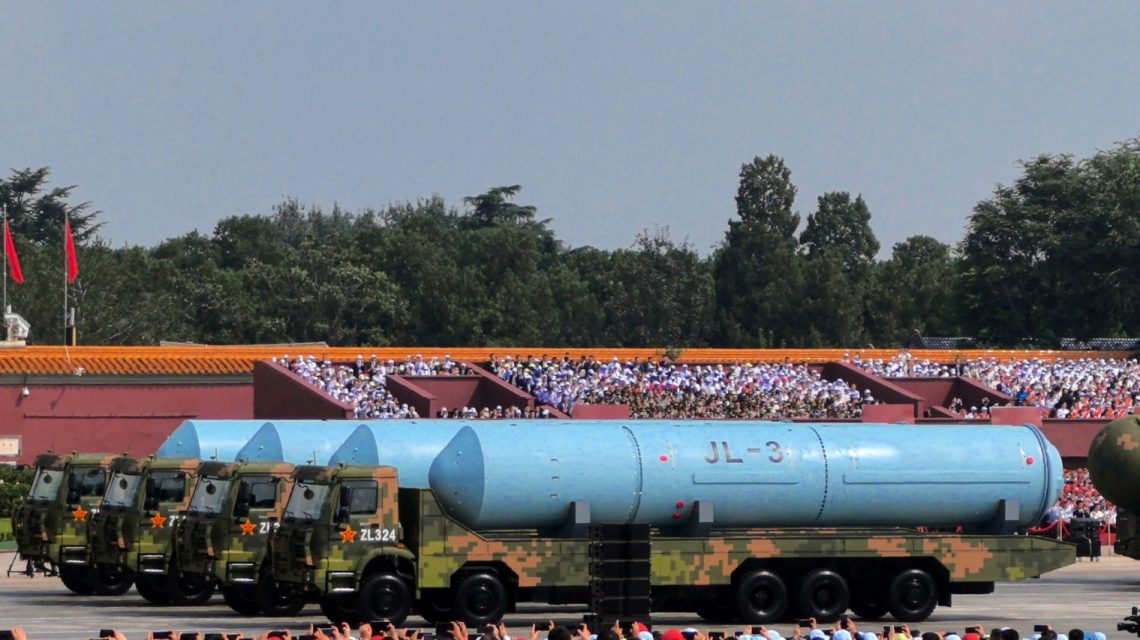
The United States, alongside 40 other countries, has expressed concerns regarding China’s recent missile test. Last month, China conducted a submarine-based test of a nuclear-capable missile, possibly a Julang-2 or -3 intercontinental ballistic missile (ICBM), which traveled approximately 4,500 miles over the Pacific. This test has alarmed neighboring nations.
The U.S., along with treaty allies like Japan and Australia, criticized the launch as destabilizing, noting that China provided only two hours of notice. The Marshall Islands and Palau, both U.S.-aligned Pacific nations, also protested the launch.
Recent missile testing activity in the Pacific area did not follow the standard practices adopted by most states to notify and deconflict ICBMs, submarine-launched ballistic missiles, and space launch vehicles,” stated a joint statement on Tuesday, avoiding direct mention of China.
The statement emphasized that surprise tests involving nuclear-capable missiles are “dangerous” and “increase the risk of miscalculation.” It urged all nations, especially nuclear-armed states, to provide a minimum of 24 hours’ notice.
Beijing’s Response
China pushed back against the criticism. During a United Nations-linked disarmament conference in Geneva, Chinese Ambassador for Disarmament Affairs Li Chijiang accused the U.S. of “political manipulation” and applying “double standards.” He pointed out that China has conducted only three ICBM tests, while the U.S. has carried out more than 300.
What qualifications do you have to criticize China?
Li Chijiang noted differences in the testing procedures, claiming China’s tests are conducted safely and responsibly.
Expert Opinions and Concerns
Experts highlight differences between Chinese and American testing practices. Robert Underwood, from the Pacific Center for Island Security, noted that U.S. tests do not intersect island states as China’s recent test did.
Underwood explained, “This test is about China demonstrating the viability of its nuclear triad and a strategic counter-strike capability.” The rapid expansion of China’s nuclear arsenal has raised alarms; it grew to at least 600 warheads by early 2025, up from 350 in 2020. Despite U.S. pressure, Beijing has refused to join nuclear arms-limitation talks, asserting its stockpile is minimal for defense.
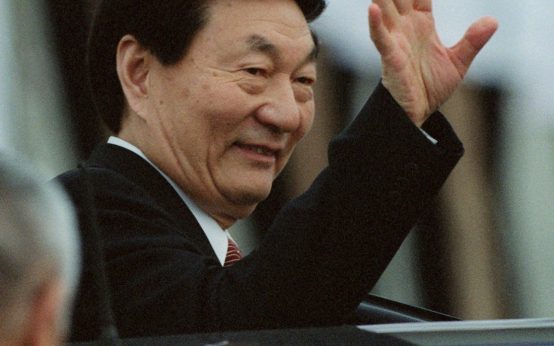 Zhu Rongji: A Legacy of Economic Reform and Controversy
 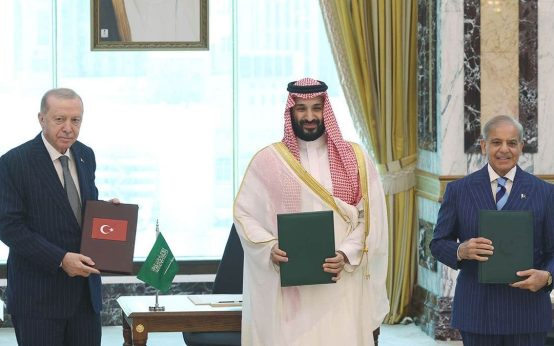 New Defense Pact Among Saudi Arabia, Turkey, and Pakistan
 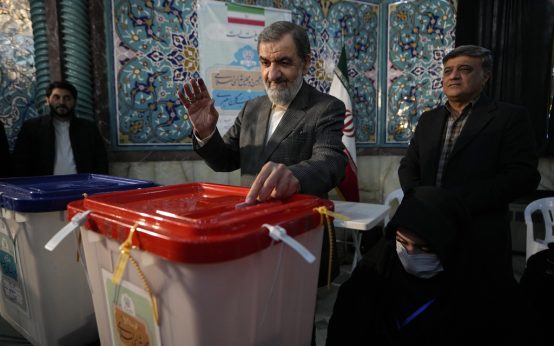 Shifting Dynamics in U.S.-Iran Relations Amid Leadership Changes
  NATO Weapon Deployment in the Pacific Raises Concerns
  Russia Responds to Ukraine’s Attack on Black Sea Hub
  Hungary Takes Action to Preserve Paks Nuclear Power Plant