Men’s Tour Challenges
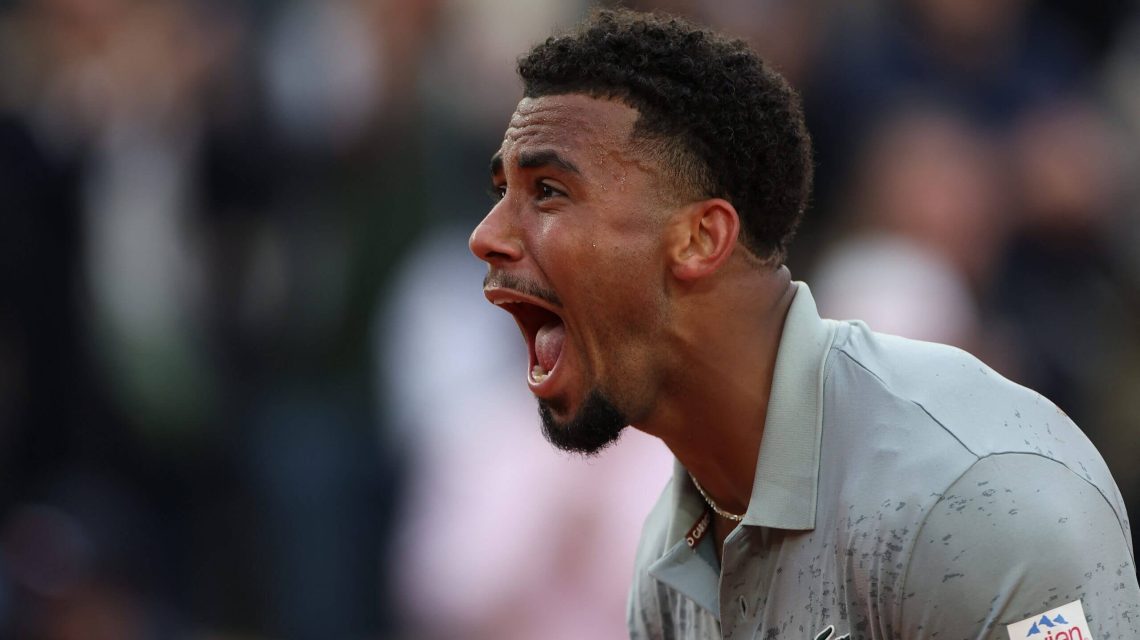
The ATP Tour faces questions on performance as the French Open begins. Félix Auger-Aliassime, ranked World No. 5, struggles with form and has never reached the Roland Garros quarterfinals. The absence of World No. 2 Carlos Alcaraz due to injury positions Auger-Aliassime as a potential semifinalist against Jannik Sinner, yet doubts about his ability to advance persist.
Alex de Minaur, the No. 8 seed, has gained momentum with a recent run to the Hamburg Open semifinals. Taylor Fritz shows rustiness, and Ben Shelton’s clay court performance remains inconsistent. Lorenzo Musetti is injured, and Arthur Fils is recovering from an eight-month back injury.
Casper Ruud and Daniil Medvedev stand out as possible strong contenders. Both performed well at the Italian Open, with Ruud reaching the final and Medvedev the semifinals, offering hope for deeper runs in Paris.
Women’s Tour Power Dynamics
The WTA Tour’s top-tier players face potential power shifts. Aryna Sabalenka, World No. 1, consistently reaches major finals. Elena Rybakina and Iga Świątek, ranked World No. 2 and 3 respectively, remain strong competitors, with Świątek as a four-time French Open champion.
Coco Gauff, the defending champion, needs to defend ranking points to keep her position in the top four. The tournament’s outcome may redefine rankings and influence the balance of power.
Emerging talents like Mirra Andreeva and Amanda Anisimova present possible upsets, although Sabalenka, Rybakina, Gauff, and Świątek have dominated recent Grand Slam titles.
Influence of Weather on Play
Weather conditions at the French Open play a crucial role. The forecast predicts hot weather during the tournament’s first week, leading to fast-flying balls. Changes in conditions can significantly impact match outcomes, especially on clay courts, which react variably to different weather.
Players must adapt to the climate swings in Paris. This adaptability becomes particularly challenging in longer men’s matches and could change the dynamics of otherwise predictable games.
Grand Slam Prize Money Controversy
The prize money dispute at Grand Slams continues with players demanding a larger share of tournament revenues. Current winner’s checks for the French Open singles champs stand at nearly $3.3 million.
Players, including figures like Jessica Pegula and Ben Shelton, argue for a fairer distribution of revenue, aiming to improve conditions for lower-ranked professionals. Discussions with tournament federations on player compensation and representation are ongoing, yet significant changes remain to be seen.
Line Judges Debate
The French Open retains human line judges, unlike most tournaments shifting to electronic systems. Players and officials still adapt to discrepancies between optical line calls and electronic line calling (ELC).
This difference, particularly on clay where marks are inaccurate, challenges consistency and understanding. The broader tennis community needs to improve communication and training around ELC’s nuances.
Popularity and Attendance Challenges
Rising crowd numbers at tennis tournaments present logistical challenges. Record attendance at events like the Australian Open highlights this issue, with facilities experiencing pressure under large crowds.
Roland Garros anticipates high attendance figures, with new measures like occupancy screens on courts implemented to improve spectator experience. Balancing popularity with a quality spectator experience remains a key consideration.
Tell us your thoughts on these storylines in the comments below.
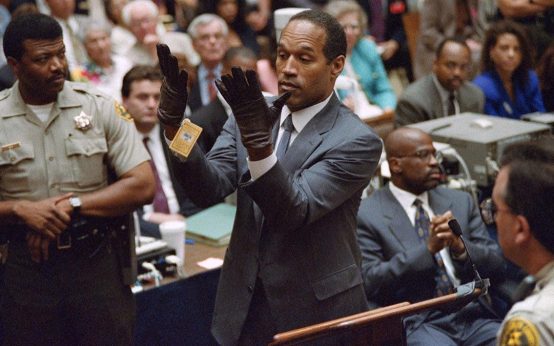 Debate Over O.J. Simpson’s Exclusion from Buffalo Bills’ Wall of Fame
 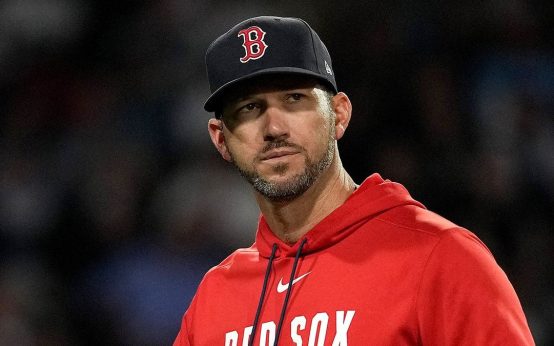 Chad Tracy Appointed Permanent Red Sox Manager
  Lane Kiffin’s Postgame Comments After Ole Miss vs LSU Game
 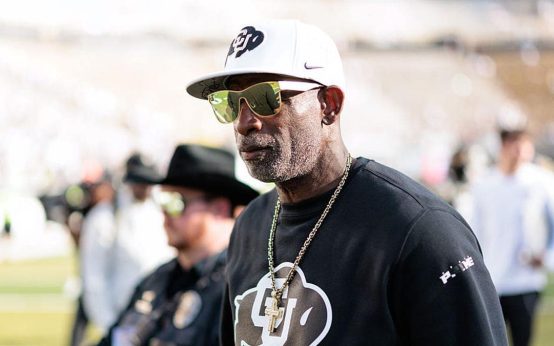 Deion Sanders Addresses Colorado Loss and Team Conduct
  Steve Lotysz: From Gates to Galleries
 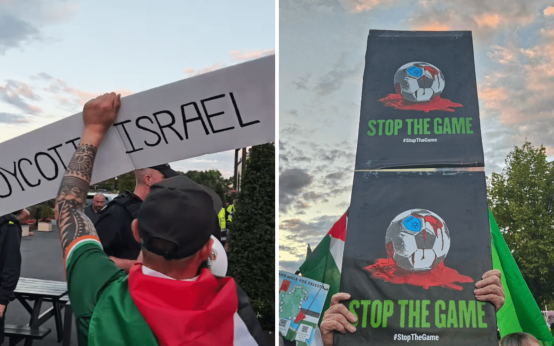 Ireland Faces Calls to Boycott Matches Against Israel