Negotiations between the SEC and Big Ten over the “Protect College Sports Act” have reached critical stages. Discussions persisted until the final days before senators could present the bill for a vote.
Through late-night talks involving senators, the White House, and various college athletic conferences, all parties aimed to finalize a bill that everyone could support. Time was tight, and contentious discussions occurred over the past five months.
President Trump has urged lawmakers to expedite the “Protect College Sports Act” approval.
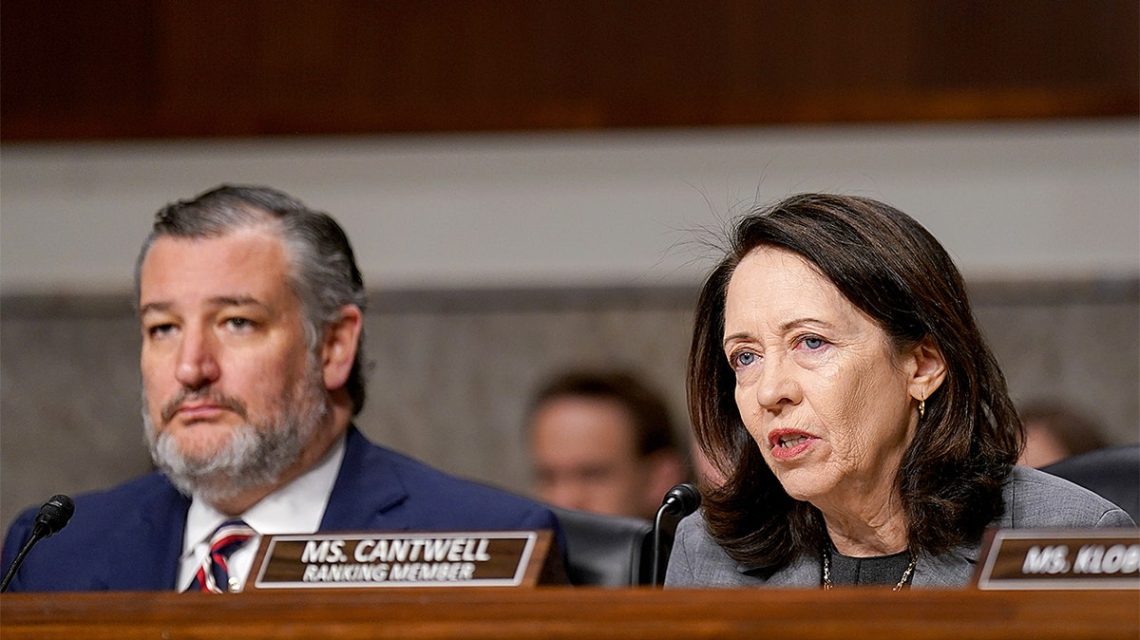
Senators Ted Cruz (R-Texas) and Maria Cantwell (D-Wash.), along with Eric Schmitt (R-MO), have pushed a bipartisan bill negotiating with power brokers. Agreement seemed unlikely days ago. However, progress could be achieved in protecting women and Olympic athletes and advancing the legislation towards the President’s desk.
Senator Cantwell stated that progress ensures lawmakers support future generations in college sports. Senator Schmitt emphasized the chaos due to unlimited transfers and eligibility issues, alongside an unsustainable arms race threatening teams, scholarships, and opportunities.
Schmitt collaborated with Cruz and Cantwell to establish practical measures to safeguard athlete opportunities, help universities generate revenue, and stabilize the NIL marketplace. He urged Senate colleagues to pass the bill to ensure the future success of college sports.
Throughout the country, conversations about the bill continued. Big Ten Commissioner Tony Petitti stayed in touch with conference officials while communicating with SEC Commissioner Greg Sankey. The Big Ten and SEC, along with the Big 12 and ACC, engaged in calls to coordinate efforts.
Amid high stakes in college athletics, the urgency in politics reflected a typical day in Washington. The White House actively engaged President Trump in negotiations. White House officials and Trump’s college sports committee explored steps to push the bill through the Senate.
At President Trump’s direction, efforts to deliver a lasting solution for the challenges in college sports have intensified.
The rush to present college sports legislation for a vote continued as congressional leaders sought approval before their summer break. Senate Majority Leader John Thune’s comment on time constraints motivated parties to resolve differences for SEC and Big Ten support.
On Friday, SEC Commissioner Greg Sankey and Big Ten Commissioner Tony Petitti addressed reporters in Nashville, expressing relief over progress towards a bill that would significantly impact collegiate sports. College presidents and chancellors acknowledged the importance of this legislation amid growing student populations.
Closing loopholes in NIL deals with Multimedia Rights companies and a retention cap for additional funds were among considerations requiring time.
Intense Negotiations and Conference Engagement
Majority Leader John Thune had to file for cloture Thursday to vote next week. Tight deadlines followed previous unrealistic timelines, prompting discussion of key talking points.
- Multimedia Rights deals will be capped, not sourced from universities.
- Certifications will prevent university funds from indirectly supporting athletes.
- Limited antitrust exemption in enforcing transfer rules and strengthening eligibility.
- Tighter stance on tampering, including outlined penalties.
- Conferences and NCAA granted limited antitrust exemptions.
- Retention pool increased to $22.5 million with a total cap of $48.8 million per season.
- NIL deals involving associated parties capped under strict guidelines.
- Conference membership capped at 19, allowing Big Ten to add one team, SEC three.
- Schools switching conferences are required to operate independently for five years.
- Independent or Group of Six schools can join power conferences without restrictions.
- “Lane Kiffin Rule” was proposed to prohibit coaches from leaving before seasons end.
Next Steps and Ongoing Senate Involvement
Ssenators remain engaged in securing legislation support. Ted Cruz and Maria Cantwell continued reaching out to conference members via videoconference. Conversations persisted, aiming for Senate Majority Leader John Thune’s cloture as early as Monday or Tuesday.
Senator Schmitt joined SEC’s call Friday night for additional discussions. In Washington’s East Room, President Trump participated in a “Saving College Sports” roundtable aiming for antitrust exemptions.
With the Senate’s August recess approaching, ACC and Big Ten knew urgency was paramount. The process to finalize Senate floor discussion begins Monday.
Once Congress returns in September, the relevance of this legislation may diminish with fans anticipating their favorite teams’ return to action.
 A Mother’s Tragic Journey Under Abortion Ban
  U.S. Strategic Goals Remain Unmet Amid Prolonged Conflict
  The Impact of Arts and Closure on Democracy
 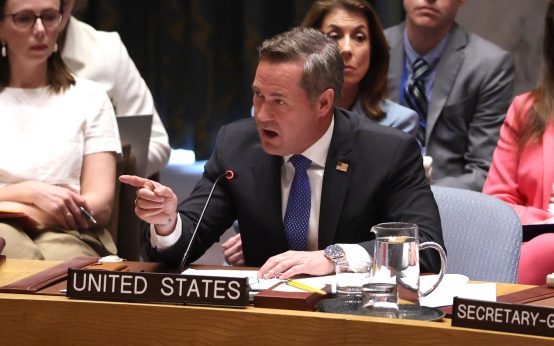 U.S. Ambassador Comments on Iran War Duration Amid Political Concerns
 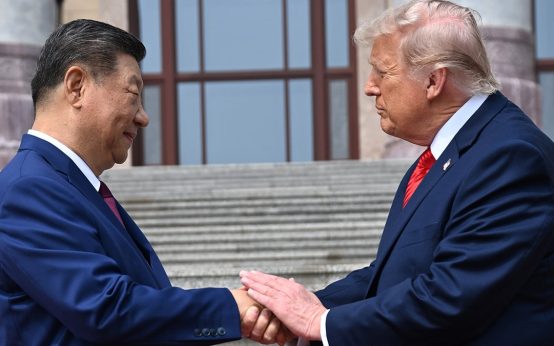 US-China Relations Under Scrutiny: Expert Warns of Escalating Tensions
  No Timeline for End of Iran Conflict