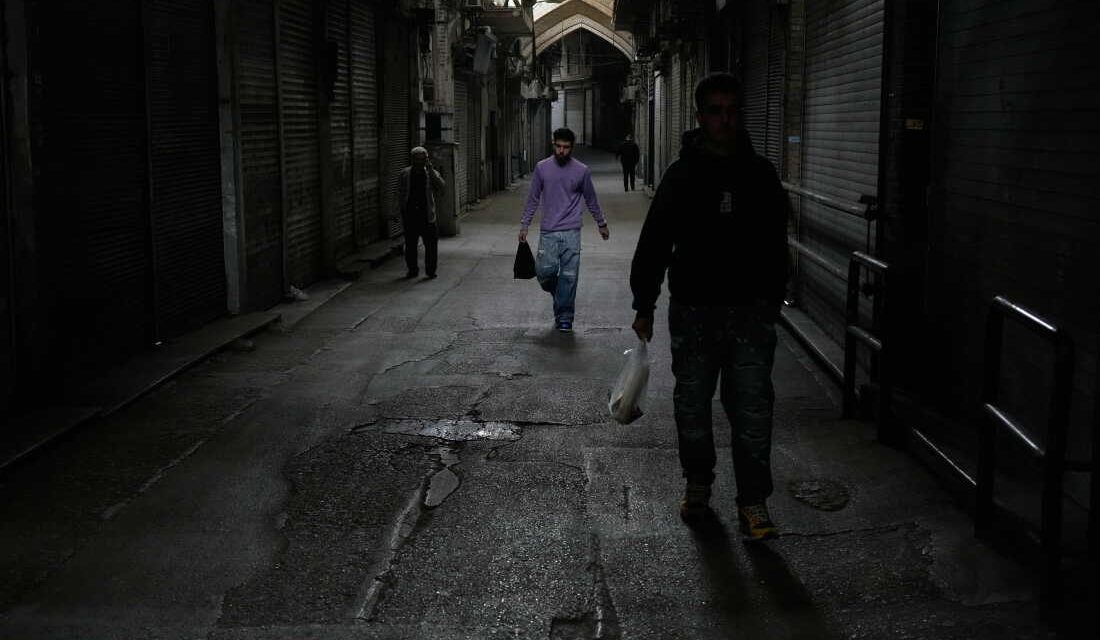
People walk past closed shops in the main bazaar of Tehran during the Nowruz holidays on March 29, 2026, as captured in a photo by Vahid Salemi/AP.
Economic Challenges and Personal Strategies
Rasoul, a 42-year-old engineer in Tehran, always had a contingency plan. He worked steadily at a tech company and assured his wife of their financial security. If financial difficulties arose, he planned to drive for Snapp, Iran’s version of Uber. The outbreak of war changed everything.
For over six months, since the United States and Israel launched an attack on Iran, the economic impact on ordinary Iranians has intensified. Inflation rose sharply, affecting gas, food, and rent prices. Many people borrowed money to survive, delaying significant life events.
Although Iran’s official unemployment rate is 9%, independent analysts claim it’s much higher. This economic distress is evident in a 50% increase in resume submissions reported by Jobvision, an Iranian job portal, in late April. Even labor leaders like Alireza Mahjoob admitted on state TV in May that joblessness has deepened more than expected.
“We don’t know how much it will afflict our already fragile working class, leaving us all helpless and powerless,” said Mahjoob.
Business Disruptions and Personal Impact
Rasoul’s professional life unraveled quickly. In January, amid a government crackdown on protests, authorities restricted internet access, severing his company from international networks. This led to a loss of customers and eventually to Rasoul’s layoff by mid-February, resulting in severe depression. For safety reasons, Rasoul’s full name is omitted.
Turning to his backup plan, Rasoul started driving for Snapp at night. His efforts failed as fuel prices soared due to U.S. sanctions and the blockade of the Strait of Hormuz. Repairs eroded his small earnings. Airstrikes further endangered nighttime driving, making reliance on extended family necessary.
Life plans, like starting a family, stalled indefinitely. “I thought post-marriage we could work and travel together,” Rasoul said. “But since we married, nothing.”
Industry Collapse Due to Instability
Other sectors faced total collapse. Kayvan, a 42-year-old materials engineer from Tehran, was part of a Chinese venture providing raw materials for Iran’s oil sector. Conflict led to the shutdown of maritime trade, closing the Strait of Hormuz and halting sea transport. His business crumbled as orders ceased.
Describing his job loss, Kayvan said, “It was like an American movie where people pack their belongings into a box and leave.”
“Terrifying inflation, unprecedented price hikes… we’ve genuinely never experienced days like these before,” Kayvan remarked, stressing the need for conflict resolution.
Kayvan’s family survived solely on his wife’s salary and their depleting savings.
Temporary Relief Amid Ongoing Challenges
In July, Rasoul found temporary reprieve with a new sales manager position. However, as the conflict persists and the economy falters, stability seems elusive. Describing the uncertainty, Rasoul compared their situation to passengers on a train, unsure if the track ahead is clear or broken.
 Irish Athletes Urge Boycott of Matches Against Israel Amid Growing Tensions
  Amateur Archaeologist Uncovers Largest Roman Coin Treasure in Germany
 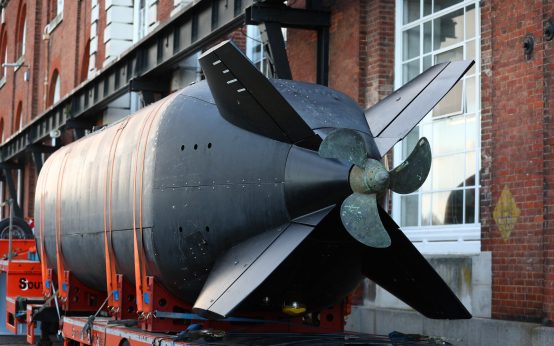 U.K. Test-Fires U.S. Torpedo from XV Excalibur
 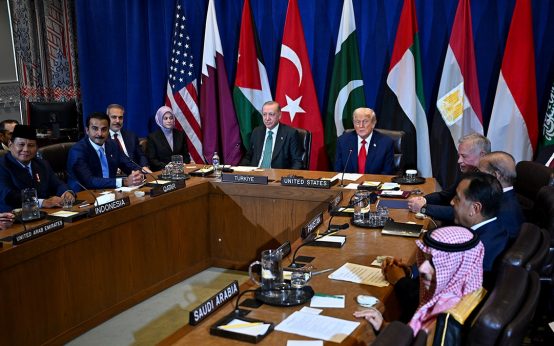 UN General Assembly and Middle East Diplomacy Amid Rising Tensions
  U.S. Secures New Greenland Security Agreement
 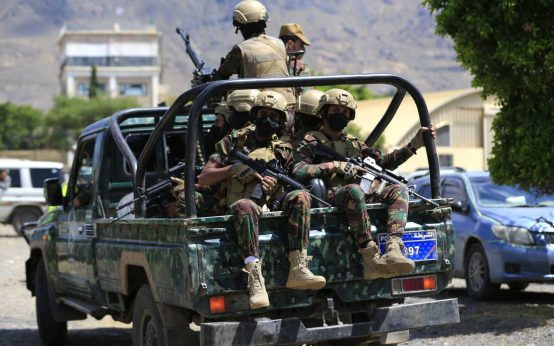 Crisis in Yemen Amid Renewed Conflict