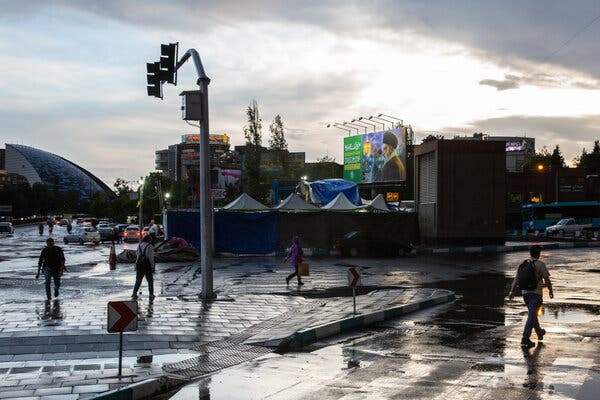
The ongoing conflict has left many Iranians grappling with hopelessness. The economic collapse is affecting both proponents and adversaries of the current regime.
When the hostilities began in February with attacks by Israel and the United States, some citizens believed change was imminent. They hoped for an end to years of stringent theocratic governance. However, these aspirations have been replaced by feelings of despair. The toll includes over 1,700 civilian fatalities, massive destruction, and an economy in shambles. Daily life has become arduous.
Though the cease-fire provides a brief respite, recent missile strikes from Iran toward Israel threaten to perpetuate the violence. Iranian officials cite Israeli actions in Lebanon as provocation. These events raise concerns about possible retaliatory actions by Israel on Iranian soil.
In addition to military engagements, the economic fallout has been severe. Prices for essential commodities have soared. The disruption of major industries and the effective blockade of the Strait of Hormuz, essential for oil exports, have plunged the economy further into turmoil.
The fluctuating peace talks and inconsistent messages from the U.S. about the war’s status have left citizens uneasy. Conversations with over 20 Iranians in various cities reveal deep-seated confusion and anxiety.
Kimia, a 25-year-old from Tehran, expressed her frustration. “I’m angry. I feel alone,” she stated. “We’re overlooked and treated as pawns in global conflicts. Our humanity is ignored.”
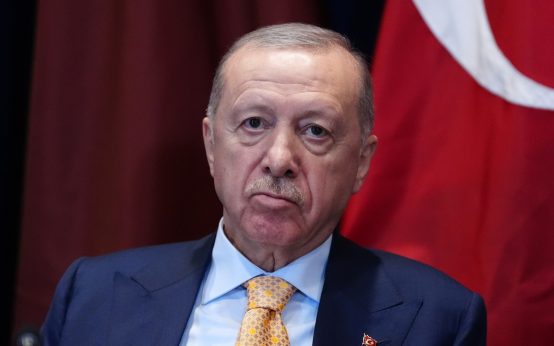 Erdogan Challenges Israel’s Rhetoric and Strengthens Alliances
  Court Rules Against Third-Country Deportation Policy
  Claims to Nazi-Looted Art Spark Legal Battle in California
 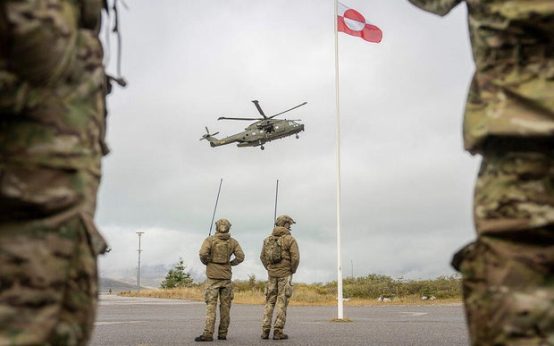 U.S. Secures Strategic Control Over Greenland
 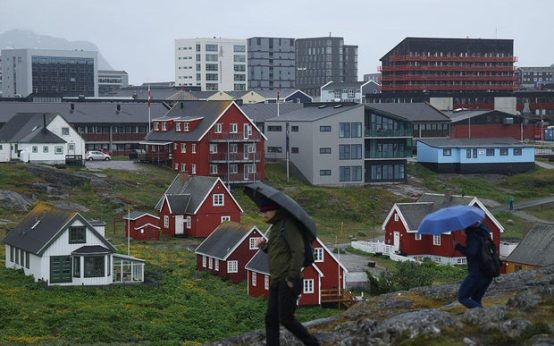 U.S. and Denmark Move Towards Security Agreement Over Greenland
 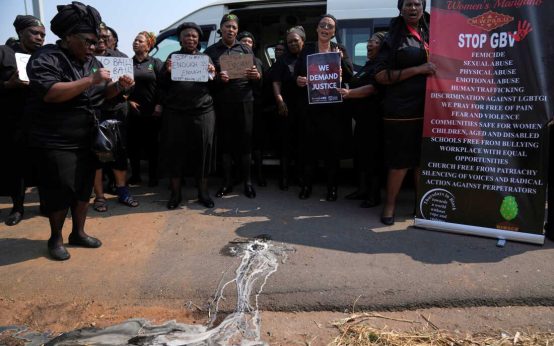 Rising Concern Over Gender-Based Violence in South Africa