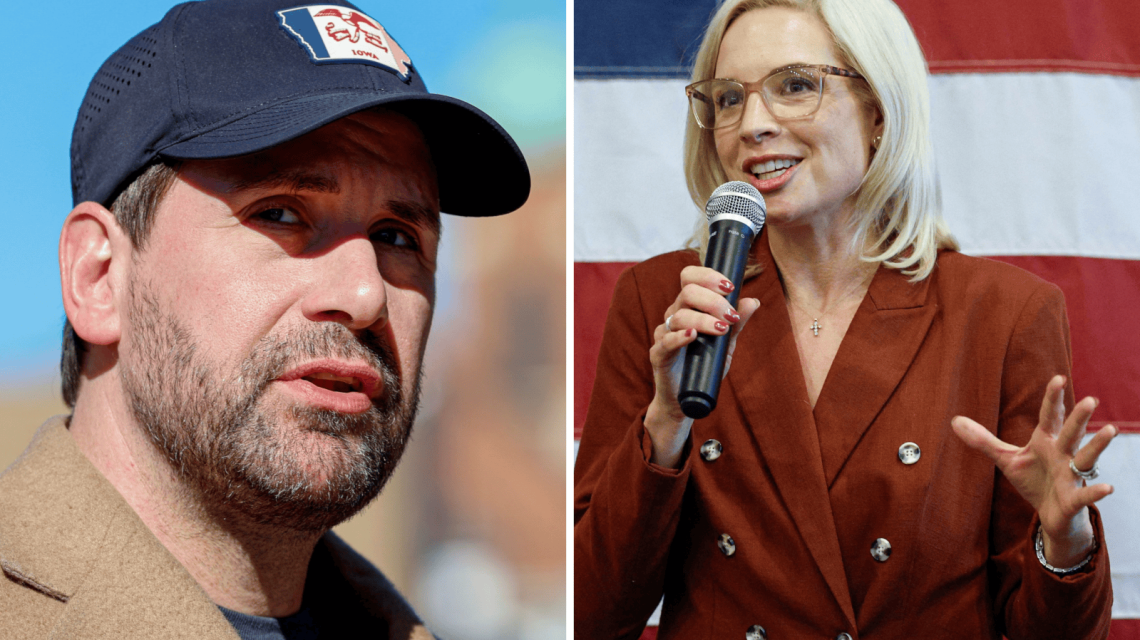
In Iowa’s closely contested U.S. Senate race, undecided voters are starting to make their choices. Democrat Josh Turek and Republican Ashley Hinson are competing for the seat left open by retiring Republican Senator Joni Ernst. Polls indicate a close race following their debates, where topics like tariffs, immigration, and voting records took center stage.
Current Polling Trends
Undecided voters once constituted a significant portion of the electorate, often reaching double digits. Independent voters play a crucial role, with many likely to vote split-ticket. Although fewer undecided voters remain, the competition between Turek and Hinson remains tight, with surveys showing both candidates leading at different times.
The Trafalgar Group’s latest poll, taken from October 13-15, surveyed 1,094 likely voters. Results showed 46% planning to vote for Hinson and 44% for Turek, with over 6% undecided. This is a decrease from a previous poll in September, where over 10% were undecided.
Other polls reflect similar trends. Marist surveys from September showed 5% undecided, dropping to 4% in October. In these polls, Turek’s lead of 50% to 42% in September narrowed to 48% to 45% in October.
Shifts in Undecided Voters
A YouGov poll captured one of the largest changes. In October, it surveyed 2,245 likely voters and found 4% undecided, with Turek at 47% and Hinson at 46%. Previously, in September, 11% were undecided.
John Geer, a professor specializing in public opinion, noted, “The race is so tight that it is hard to know how the undecideds will break.” The focus, he suggests, will be on turnout rather than undecided voters.
Debates and Rallies
The candidates will not meet for another debate, having agreed to two, which took place on October 7 and 13. President Donald Trump plans to hold rallies supporting Hinson on October 22 and November 1.
Timing and Importance
Election Day is Tuesday, November 3, with early voting ongoing through November 2. Already, Iowa’s early voting reports show 2% of the state’s voters have cast ballots.
This election could influence control of Congress. Despite a Republican trend in Senate elections since 2008, Iowa has seen mixed party support for presidential candidates. Trump scored wins in recent elections, though Obama won Iowa twice previously.
Professor Timothy Hagle from the University of Iowa highlighted the pivotal role of undecided voters this year. He remarked, “Few Democrats and Republicans are among the undecided. Most are No Party voters.” He suggested that in open races, such voters might split more evenly.
Historical context shows such splits were possible, as in 2014 when independents supported both Senator Ernst and her opponent.
This Senate race mirrors others in competitive states like Texas, Michigan, Ohio, and Alaska, making the outcome uncertain. Geer anticipates a partisan wave may determine the final results, much like past elections where narrow margins decided significant offices.
 Campaign Rallies Heat Up in North Carolina
 Alberta Rejects Independence Referendum Proposal
 Trump’s Comments on Lincoln Memorial Reflecting Pool Alteration and Alleged Vandalism
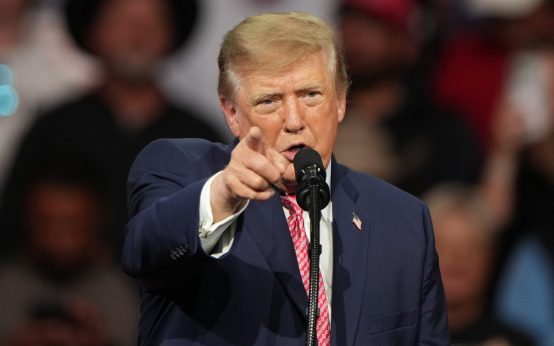 Trump Warns About Democratic Policies Using France as Example
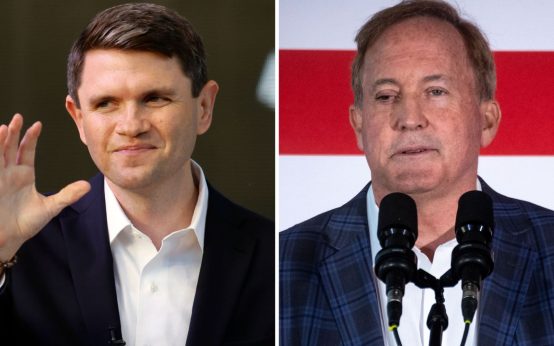 Candidates Talarico and Paxton Hold Competing Rallies in Tarrant County
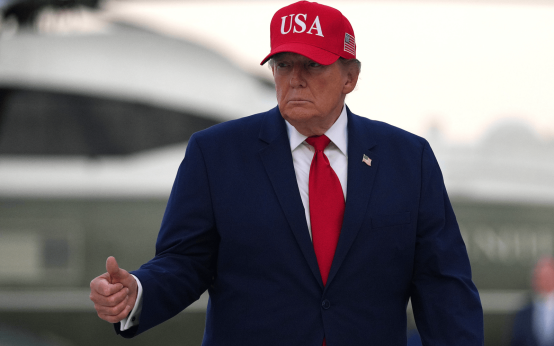 Trump’s Approval Ratings Two Weeks Before Midterms