
The United Nations has issued warnings about a rapidly intensifying El Nino, noting it already broke early-stage intensity records. The phenomenon, which could result in severe weather globally, is expected to strengthen further, as reported by Columbia University scientists. El Nino represents a natural warming of the Pacific near the equator, altering weather patterns worldwide. The event is unlikely to peak for several months but is anticipated to persist through the spring of 2027.
The World Meteorological Organization, a U.N. agency, highlighted potential impacts such as extreme heat, drought, and unusual rainfall, likely extending well into the next year. “Two months ago, I warned that El Nino was arriving on our doorstep. Now it is inside the house — and turning up the heat,” United Nations Secretary-General Antonio Guterres stated.
Guterres further elaborated on the recent pattern of extremes: record-breaking heat waves, devastating wildfires in Europe, and countless lives lost due to intense weather conditions. “But according to the latest science, this is only a warm-up act,” he remarked. As El Nino intensifies, “We are in uncharted territory,” he continued, highlighting the acceleration of the climate crisis.
While not all scientists are in agreement, most forecast models suggest that this El Nino might surpass the all-time record for intensity. Currently, many direct effects remain unseen as it is early in the one-year cycle of a typical El Nino. Nonetheless, scientists concur with Guterres’ warnings regarding impending changes.
Global warming from burning coal, oil, and gas is combining with El Nino’s effects. Columbia University climate scientist Jeffrey Shaman pointed to indications of the current year setting records, suggesting a much hotter Northern Hemisphere in the next year.
Before that time, rainfall patterns may undergo dramatic changes, leading to extremes in different world regions over fall and winter. The WMO has identified a heightened risk of drought and wildfires in areas such as Indonesia, India, parts of Asia, Australia, South America, and Africa. Conversely, regions like the United States and Southern Europe may experience increased rainfall.
WMO Secretary-General Celeste Saulo underscored the significance of using this time to anticipate risks. The combination of El Nino and ongoing human-induced warming offers governments and communities a critical opportunity to prepare for impacts ahead.
Though El Nino and climate change are distinct entities, their combined effect poses concerns that Guterres believes remain underestimated. “We hear much about record heat, drought, and wildfires – but not enough about the real change that is driving these events: the accelerating climate crisis powered by fossil fuels,” he stated.
He noted that global attention often centers on conflicts such as those in Ukraine, the Middle East, and Sudan, neglecting climate dangers. Guterres urged the U.N. to be more proactive and rally public opinion to view the situation as a critical threat.
Heat from fossil fuels gets stored in oceans, and El Nino releases some of this accumulated warmth back into the atmosphere. Although the current El Nino will eventually end, the heat and elevated temperatures will linger, ready to rise again come the next El Nino.
Guterres called for better early warning systems and cooling measures to combat extreme heat. He pressed industry and governments to ensure safer working conditions, especially in the garment industry, where workers face increasing heat risks.
Ultimately, Guterres emphasized the urgent need to stop intensifying the climate crisis. Further reliance on coal, oil, and gas would exacerbate the potential for more severe future outcomes.
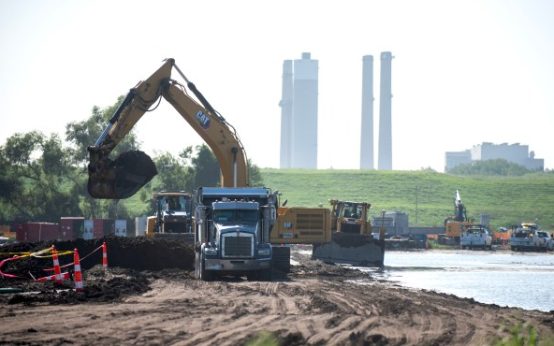 EPA Dismantles Greenhouse Gas Rules, Causing Concern
 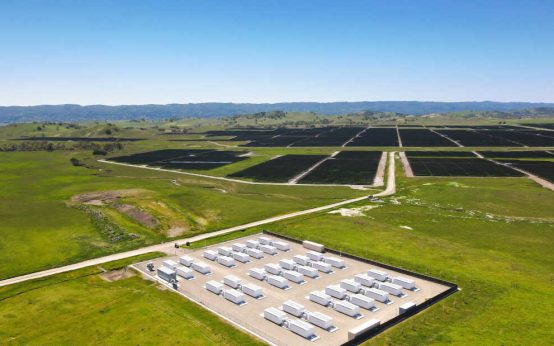 How Battery Innovations Transform Renewable Energy
  Data Centers Stir Controversy in Texas Amid Growth Boom
 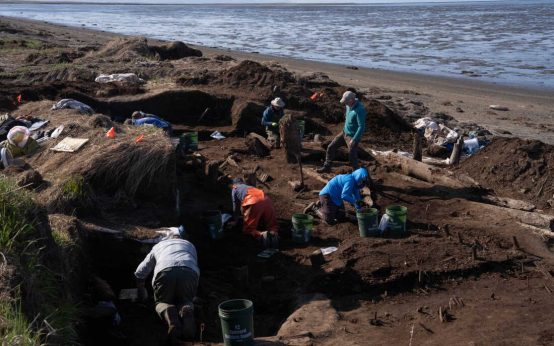 Urgent Archaeological Efforts in Quinhagak Stay Ahead of Erosion
 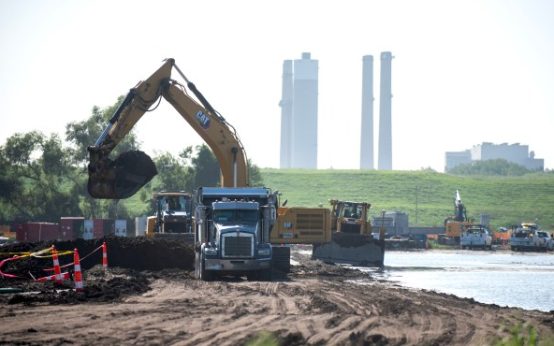 Concerns Rise Over NIPSCO Permit In Jasper County
  Reader Reactions on Grizzlies and Data Centers