A New Discovery in ALS Research
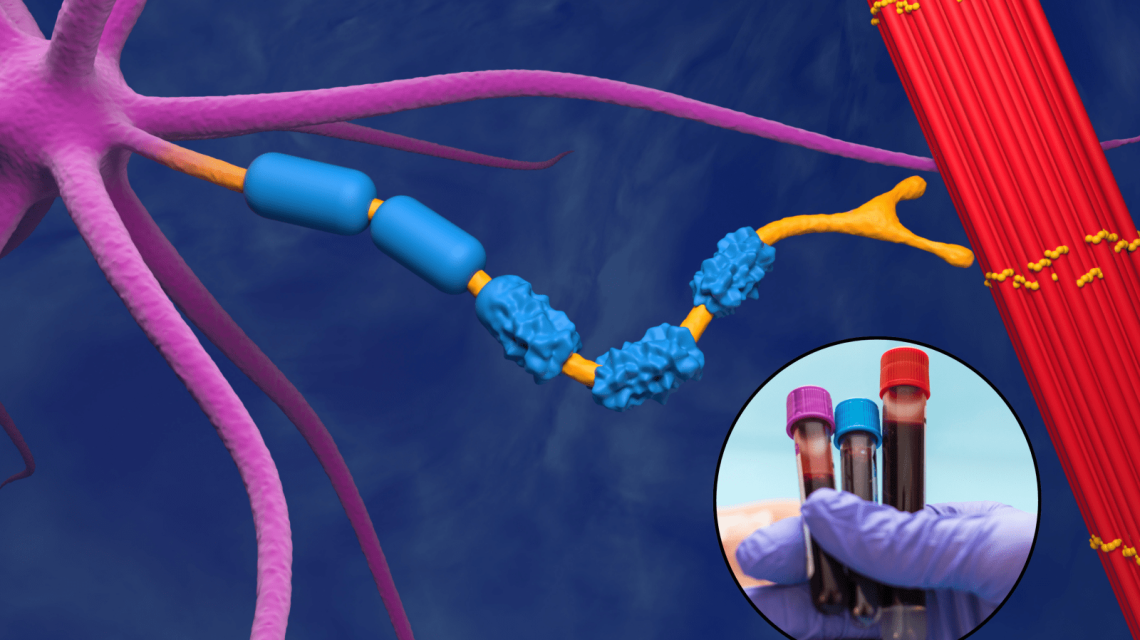
Researchers have uncovered a key finding in the fight against amyotrophic lateral sclerosis (ALS). A specific group of proteins in the blood begins to change long before symptoms of this neurodegenerative disease appear. This raises hopes for early intervention for those at risk. ALS, also known as Lou Gehrig’s disease, affects the nerve cells responsible for movement. The Centers for Disease Control and Prevention (CDC) reports that each year, approximately 5,000 people in the United States receive an ALS diagnosis. Initial symptoms often include muscle weakness, twitching, and slurred speech, progressing to impact movement, swallowing, and breathing.
Blood Proteins Change Before Symptoms Emerge
The insights come from the Pre-symptomatic Familial ALS (Pre-fALS) study, funded by the National Institutes of Health. This study has tracked individuals with a high genetic risk for ALS for nearly 20 years. Researchers analyzed plasma samples from 137 participants, with 33 eventually developing ALS or frontotemporal dementia symptoms.
Using a proteomic analysis technique called Olink, they measured over 5,000 proteins in the blood. They identified 92 proteins that changed before symptoms emerged. Machine-learning models helped determine which proteins were most predictive of disease onset. Ultimately, they focused on 19 proteins, including neurofilament light chain (NfL), known to rise in blood levels before ALS symptoms appear.
With these proteins, researchers could estimate symptom onset with an average error of 18 months. The predictions were effective from six months to five years before symptoms.
A Potential Window for Early Treatment
Dr. Michael Benatar, a professor at the University of Miami, stated the findings offer critical information for those with ALS genetic variants. He highlighted the benefit of predicting symptom emergence, especially as new therapies aim to delay or prevent the disease. The UK Biobank also replicated these findings, indicating possible relevance beyond hereditary ALS cases.
Significance of the Findings
Amy Bany Adams from the NIH emphasized the research’s importance as gene-targeting treatments become available. A reliable biofluid-based signature indicating near-term onset is crucial. One such treatment, the drug tofersen, is under investigation to see if early administration can delay ALS symptoms.
Dr. Benatar acknowledged the vital role of study participants who contributed to this research. Their involvement aids in the mission to prevent ALS and gives back to the community.
Reference: Ran, X., Wuu, J., Qin, Z.S. et al. “Longitudinal plasma proteomics predict phenoconversion to clinically manifest ALS.” Nat Med (2026). https://doi.org/10.1038/s41591-026-04528-x
 Florida Man Claims ‘Lion Diet’ Transformed Health and Life
  Concerns Over Food Safety and Its Impact on Families
  A Mother’s Tragic Journey Under Abortion Ban
  Medical Diagnosis Errors: Understanding the Crisis
  Lymphatic Drainage and Ice Sculpting: Emerging Wellness Trends
  The Rising Trend of GLP-1 Medications Among College Students