President Donald Trump’s Latest Executive Order
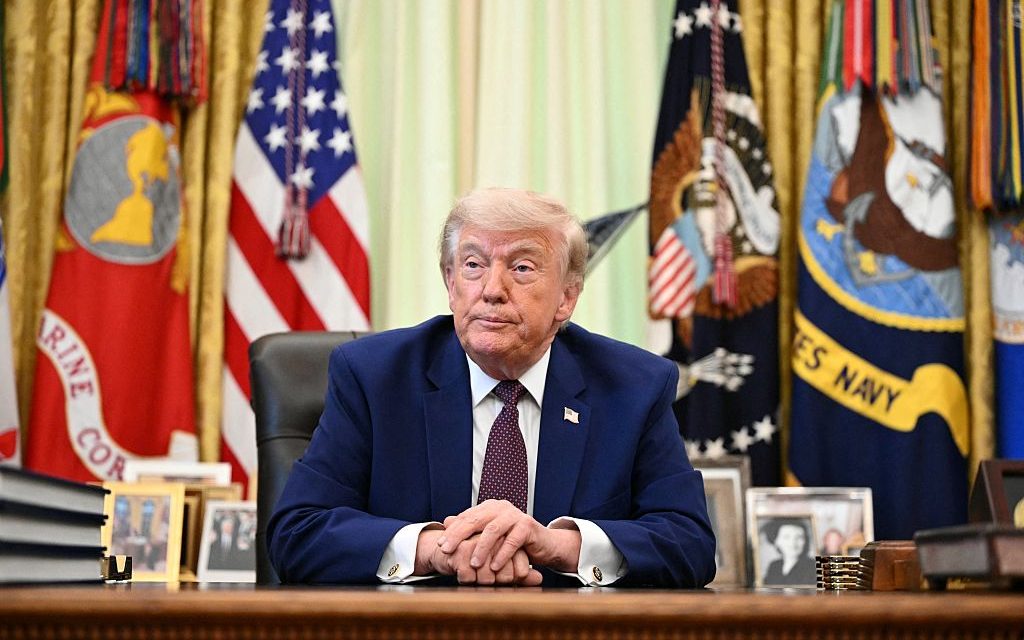
President Donald Trump has signed an executive order affecting nearly 8,000 federal employees. This order removes civil-service protections, putting them in an ‘at-will’ category that allows rapid dismissal. The move aims to broaden the administration’s ability to replace career officials in policy roles, reviving aspects of the Schedule F framework from Trump’s first term.
The order influences various agencies, including those responsible for cybersecurity, data systems, and emerging technology. It is likely to prompt legal challenges and cause disruptions within the federal workforce.
Affected Positions and Roles
The roles impacted include chief information officers, deputy CIOs, a chief information security officer, and executive positions overseeing IT modernization, data governance, and artificial intelligence.
Most affected positions are at the GS-15 level, involving directors, deputy directors, chiefs of staff, senior advisers, and regulatory analysts. Many affected employees earn close to $200,000 annually.
Administration’s Perspective
During the signing ceremony, White House officials claimed the change lets senior career staff implement the administration’s agenda without internal resistance. Critics argue it resurrects core mechanics of Schedule F, risking the politicization of typically nonpartisan roles.
Office of Personnel Management Director Scott Kupor supports the shift, stating these positions need to be filled by those willing and capable of carrying out administrative directives.
Agencies Most Affected by the Order
Department of Homeland Security
DHS encounters the largest impact, with many reclassified roles in cybersecurity, intelligence integration, and border-security strategy. Political turnover in these areas might disrupt national-security operations.
Department of Defense
The DOD is vulnerable to at-will reclassification effects due to its substantial GS-14 and GS-15 workforce involved in military planning and procurement.
Department of Health and Human Services
With over 25,000 employees at GS-13 and GS-14 levels, HHS faces risks in public-health analytics and regulatory policy, which rely on scientific independence.
Department of the Treasury
The Treasury, tasked with sanctions enforcement and financial systems oversight, could face challenges from politically driven turnover.
Department of Justice
The DOJ’s legal and policy staff, exceeding 40,000 employees, could see enforcement priorities influenced by the order.
Department of Energy
The DOE employs many in cybersecurity and nuclear policy analysis, crucial for national security. Rapid staff changes could disrupt operations.
Environmental Protection Agency
The EPA risks politicization in environmental enforcement and public-health protection duties.
Office of Management and Budget
OMB’s regulatory review and data-policy teams might encounter shifts in how regulations are vetted due to order effects.
General Services Administration
GSA’s modernization and cloud strategy roles may face challenges, affecting technology infrastructure and procurement decisions.
 Navigating Global Challenges: Trump’s Legacy and Crisis Management
  Analyzing Oregon’s Wildfire Crisis and Its Implications
  Kansas Senate Race: Hamilton Criticized for Climate Views
  Trump Administration Targets H-1B Visa Use to Protect American Workers
  Controversy Over Proposed MLB Stadium in Grand Teton National Park
  The GOP’s Shift Toward Big Government