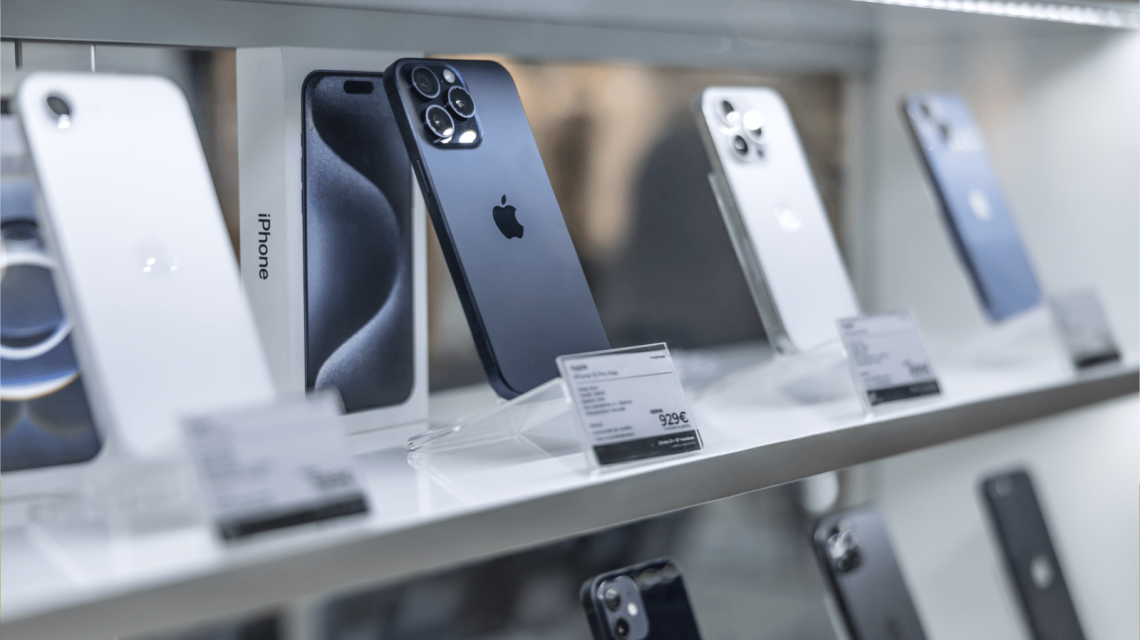
Growing memory costs are poised to elevate smartphone prices, starting with Apple and extending throughout the industry. Apple has confirmed impending price hikes. CEO Tim Cook stated in a Wall Street Journal interview on June 17 that increased memory and storage chip expenses have made these hikes inevitable. Cook noted the company’s efforts to absorb these costs and protect consumers, but suppliers’ significant price increases have made this approach unsustainable.
A larger structural change in the tech supply chain is driving this shift. AI-driven data center demand is consuming more of the global memory chip output, decreasing availability for consumer electronics and raising prices industry-wide. Analysts highlight that even a company with Apple’s buying power now competes for limited supplies, marking a shift for an industry that has previously managed component price fluctuations.
Industry-Wide Price Pressure
The impact is expected to affect more than just Apple. Nabila Popal, IDC’s senior research director, told Newsweek that the scale of change has significantly altered forecasts. “We are expecting the global smartphone average selling price to increase by 20 percent,” she said, revising their previous forecast of a 14 percent rise in February. Rising memory costs intensify margin pressure on all smartphone makers; no vendor is likely to escape this strain.
Popal predicts Android brands focusing on low-end devices could face price hikes up to 40 percent, while premium brands like Samsung and Apple might increase prices by 10 percent. Yang Wang of Counterpoint Research characterized the memory shortage as one of the “most severe supply-side disruptions” faced by the smartphone industry in years. He anticipates elevated memory costs until at least 2027 as capacity shifts towards AI-related products.
Potential Costs for Top Smartphones
Apple has not revealed specific pricing plans. Analysts foresee varied price increases, impacting entry-level devices the hardest. Counterpoint Research reports bill-of-materials costs rising by about 20–30 percent for low-end smartphones versus 10–15 percent for mid-range and premium devices. February forecasts estimated a 3-8 percent overall price increase as manufacturers passed some costs to consumers.
Illustrative estimates based on component cost increases suggest:
- Premium flagship models, such as those from Apple, Samsung, and Google, may see a 5-10 percent price increase.
- Mid-range Android devices could rise by 10-20 percent.
- Entry-level Android phones might potentially experience price spikes as high as 40 percent.
These projections are indicative. Wang cautions that actual outcomes might vary greatly between product tiers and regions.
Consequences for Consumers
Consumers could face immediate and widespread effects. Flagship smartphone buyers may encounter modest increases, yet a 6–10 percent rise could add around $70–$150 to high-end handset costs. In lower-priced segments, where manufacturers have little flexibility, costs may rise by 20 percent or more, making entry-level devices significantly less affordable.
As AI features and powerful apps grow in demand, manufacturers cannot easily reduce specifications to counterbalance costs.
 Elon Musk Returns to Political Scene Ahead of Midterms
  Cyberattack Disrupts French Grocery Stores, Causing Product Losses
  AI Strategy: U.S. Competition with China in Global Markets
  Apple Unveils Foldable iPhone Duo with Cutting-Edge Features
  Impact of Ukrainian Strikes on Russian Data Centers
  The Impact of AI on Job Quality and Economic Growth