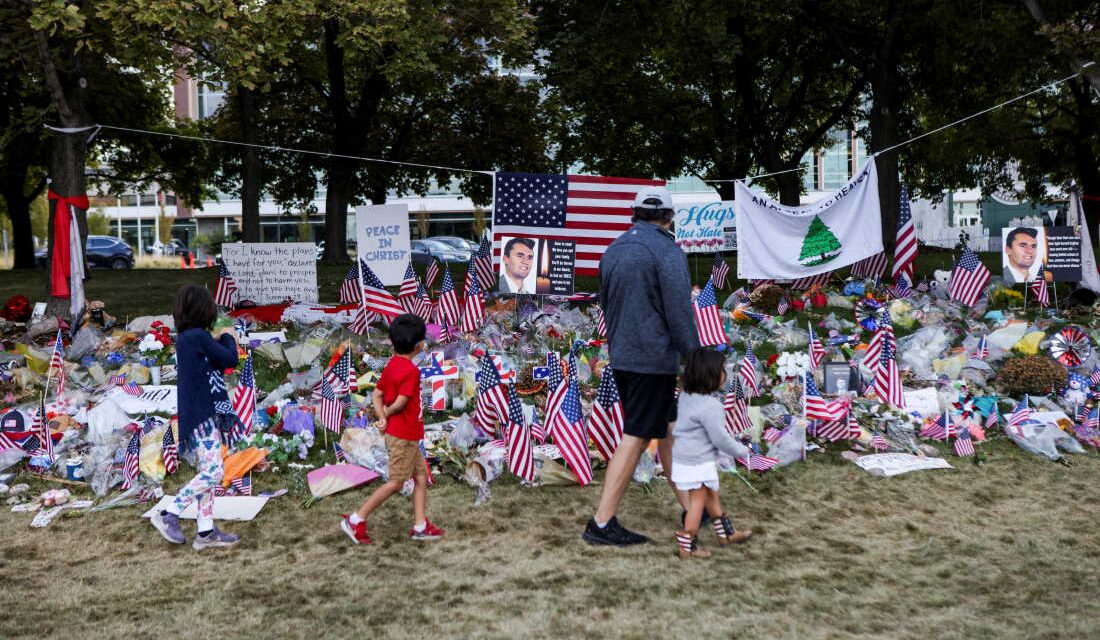
The assassination of conservative commentator Charlie Kirk had a profound effect on the campus of Utah Valley University and the political climate in the United States. The vibrant courtyard of the university, once bustling with students, became quiet and empty following the tragic event. Collin Grannis, a recent graduate, recalled the once-lively space where students used to gather and socialize.
On that fateful day, Kirk was killed during a public debate at the university. His death was not only a personal loss for his followers but also sparked a wave of intimidation, harassment, and threats across the country. Political violence became a more visible and troubling aspect of American society, with various civic actors finding themselves targeted.
Shauna Dillavou, CEO of Brightlines, explained that Kirk’s death changed the dynamics of online abuse. Previously, individuals could avoid being targeted unless they were mentioned by well-known social media accounts. However, in the wake of the assassination, even minor comments in closed group chats could lead to widespread exposure.
The practice of doxing, the public release of personal information, evolved significantly, becoming a common tool used by both political spectrums. Doxing emerged from gaming subcultures, moved to extremist groups, and eventually became a tool employed by influential social media accounts.
In response to the tragedy, a website named “Expose Charlie’s Murderers” surfaced, encouraging people to submit information about those who celebrated Kirk’s death. Kat Green, founder of the doxing mitigation nonprofit Endora, noted that numerous websites began cataloging personal details of alleged Kirk detractors. This widespread activity overwhelmed organizations working to protect privacy rights.
The response from high-level officials intensified the situation. Vice President Vance, hosting Kirk’s podcast, urged listeners to call out those celebrating the assassination, even suggesting contacting their employers. This endorsement of accountability measures from a major political figure marked a significant shift in public discourse.
Experts like Shannon Hiller from Princeton University expressed concern about the long-term effects of this cultural shift. The practices and dynamics that emerged after Kirk’s assassination showed a worrying trend towards silencing political dissent through intimidation.
Dillavou highlighted the danger of doxing as a form of stochastic terrorism, where influential calls for action can lead to random acts of violence. Despite attempts to shut down such sites, digital remnants persist, contributing to an environment where political discourse is increasingly fraught with risk.
Green observed that doxing had initially surged but eventually subsided as individuals pushed back legally and through online satire, creating a flood of memes about Charlie Kirk. This humorous approach made it challenging to maintain the intensity of targeted attacks.
Students like Kevin Haslem noted the tension surrounding discussions of Kirk’s assassination on campus, especially as the anniversary approached. Professors appeared cautious about addressing the topic, aware of the charged emotions it invoked.
The events and reactions following Kirk’s death illustrate a broader challenge in American society: how to engage in meaningful discourse amidst increasing polarization and the risk of personal harm.
This report was supported by the Pulitzer Center on Crisis Reporting.
 Carnival Panorama Passenger Jumped Overboard During Final Leg of Cruise
 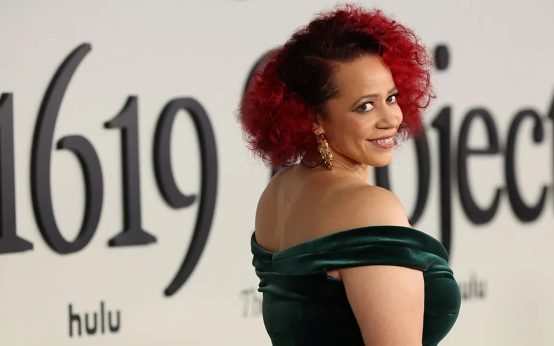 Nikole Hannah-Jones Reflects on Educational Choices for Her Daughter
  Life and Challenges at Chennai’s Kasimedu Fishing Harbour
 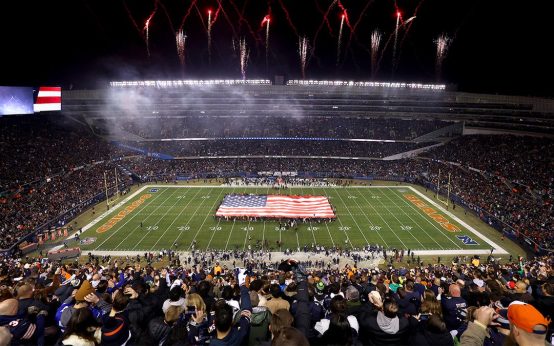 Chicago Bears Eye Potential Move to Indiana: A Look at the Developments
  Amazon Offers Discounts to Employees at Whole Foods
  Inside the American Airman Rescue Mission in Iran