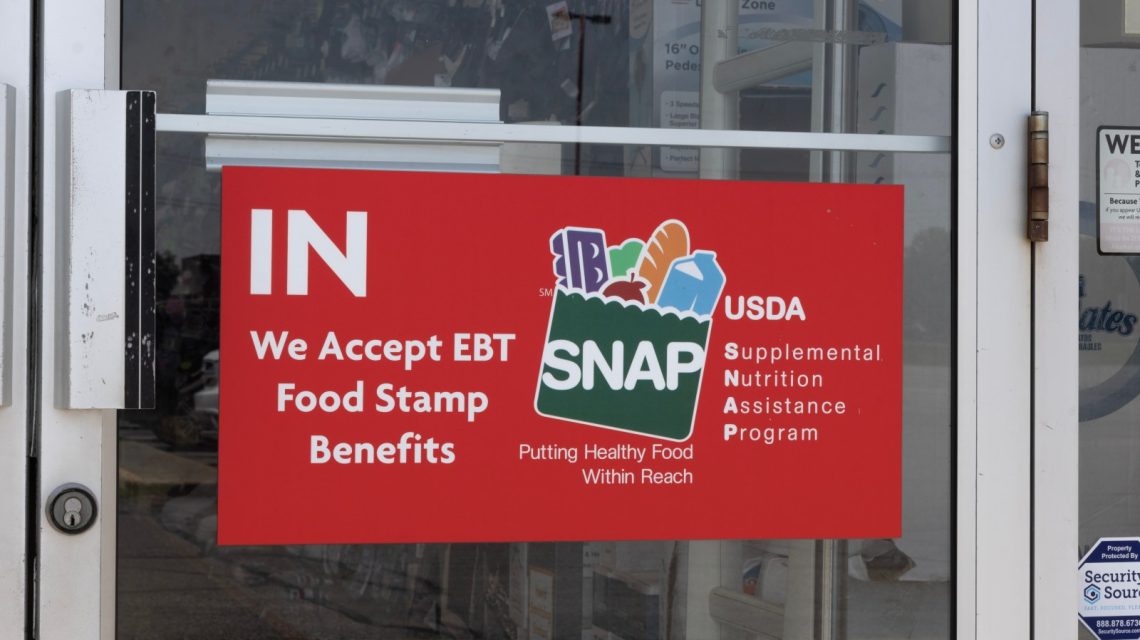
Recent reports from ProPublica and the Center on Budget and Policy Priorities reveal a significant reduction in food assistance for children across the United States. These changes are linked to revisions in the Supplemental Nutrition Assistance Program (SNAP) enacted in 2025 under the Trump administration.
Program Changes and Effects
The federal government aimed to reduce misuse within SNAP by implementing stricter eligibility criteria, expanding work requirements, and diminishing federal support to states managing these programs. Kevin Thompson, CEO of 9i Capital Group, highlighted that these measures have resulted in many Americans losing access to essential benefits.
SNAP’s Role and Recent Declines
SNAP is the largest anti-hunger initiative in the U.S., significantly aiding families with children and reducing poverty and food insecurity. The recent reduction in benefits led to increased concerns about the possible long-term impacts on low-income families.
Key Statistics
According to ProPublica, approximately 776,000 children in 12 states lost SNAP benefits. This number comprises about 46% of the total SNAP enrollment decline in those states. The Center on Budget and Policy Priorities (CBPP) presents similar figures, estimating that more than 700,000 children are affected. Nationwide, millions fewer are participating in SNAP, although complete age-specific data is not available for all states.
Analysis of State-Specific Data
ProPublica examined 12 states’ SNAP enrollment data by age. Findings revealed drastic decreases following the 2025 legislative changes. The budget reconciliation package, known as H.R. 1, cut approximately $187 billion from SNAP, marking a significant 20% reduction.
Analysts like Alex Beene from the University of Tennessee highlighted that new work requirements, additional paperwork, state staffing shortages, and cost-sharing pressures have diverted families from receiving assistance. This has occurred even when children were not intended as targets for these cuts.
Children’s Share in SNAP Losses
The CBPP’s analysis confirmed that children’s participation accounted for nearly half of the 1.6 million person reduction in SNAP enrollment in the analyzed states.
Reasons for Reduced Benefits
Experts argue that the declines in benefits are largely due to administrative constraints under H.R. 1, rather than a decrease in need. For the first time, states were required to cover part of the benefit costs, and faced penalties related to payment errors. These factors encouraged states to make eligibility and approvals more stringent.
Arizona faced one of the most significant drops, with a 55% decline in child participation. Louisiana also saw a considerable loss of 22%.
Potential Long-Term Impacts
The decline in benefits could lead to numerous future challenges. Reduced SNAP participation is associated with poorer self-reported health and a greater risk of diet-related illnesses. Food insecurity may relate to higher poverty rates, increased crime, housing instability, and negative education outcomes. Economic hardship can affect generations, not just individuals directly involved.
Additionally, children’s academic achievements may suffer due to missing out on healthy meals, harming cognitive development and future income potential. Misaligned program eligibility criteria might also prevent children from accessing other benefits like WIC and school meal programs.
Looking Ahead
Some changes from the 2025 policy are still pending. Starting in 2027, states will have more financial responsibilities, potentially tightening SNAP access further. Experts like Beene emphasize that consequences are more significant than short-term food scarcity, given the links between childhood hunger, health, and school performance.
 Trump’s Use of Taxpayer Dollars for Political Advertising Sparks Controversy
  Reforming the Jones Act: Evidence for Change
  J. Dennis Hastert’s Legacy and Controversies
  Growing Support for White Nationalism Among Young White Men in the U.S.
  Former House Speaker Dennis Hastert Passes Away at 84
  Choosing the Best Probiotic Powder for Your Gut Health