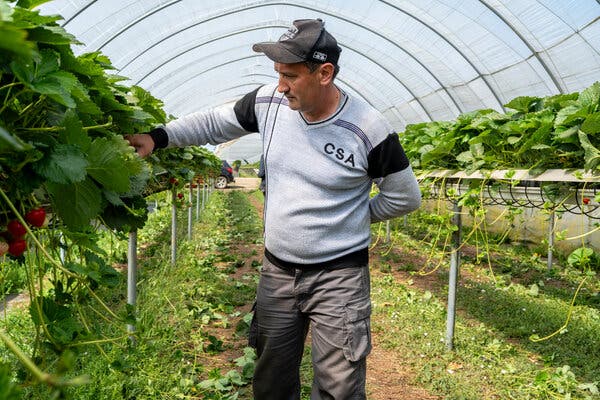
Ten years following Brexit, the majority of seasonal agricultural workers in Britain now come from countries such as Kyrgyzstan and Tajikistan. Agricultural leaders assert that without these workers, many farms would struggle to operate.
Shukrat Djuraev, working at Homefield Farm in Kent, England, has traveled over 3,000 miles from his home in Uzbekistan. Despite the distance, he expressed satisfaction with his job. ‘I like it here,’ said Mr. Djuraev, 44, adding that work is steady and calm.
Prior to Brexit, farms in Britain relied heavily on workers from Eastern Europe. The departure from the European Union stripped many of these workers of the right to work in Britain, leading some to believe that foreign labor in the country would diminish.
Contrary to these expectations, a decade after the Brexit vote, British farmers are sourcing labor from Central Asia. Workers like Mr. Djuraev are granted entry with six-month visas to address labor shortages.
Immigration was a pivotal issue during the Brexit referendum, as campaigners claimed leaving the EU would enable Britain to ‘take back control’ of its borders. After a decade, immigration continues to be a major political challenge, notably for the Labour Party.
Nigel Farage, a prominent Brexit advocate, has since risen with his new anti-immigration populist party, Reform U.K. This party now leads in opinion polls and has gained significantly in recent local elections. Its success has destabilized the Labour Party, culminating in the resignation of Prime Minister Keir Starmer.
 Ireland Faces Calls to Boycott Matches Against Israel
  Social Media Influencer Faces Serious Charges
 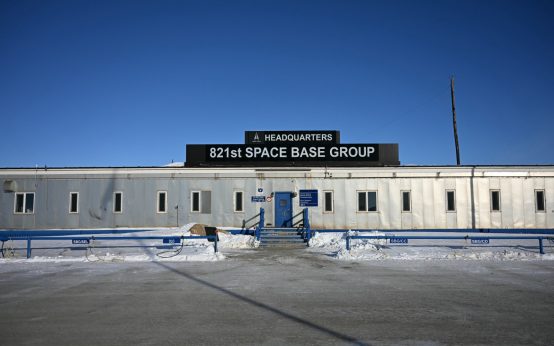 U.S. Military Expansion in Greenland
  The Autocratic Age: A Closer Look
  Venezuelan Migrant Arrest in Texas Sparks Outrage
 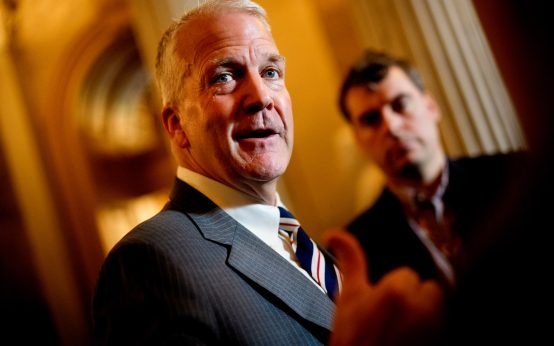 Senator Calls for Halt in Diesel Exports Amid Rising Fuel Costs