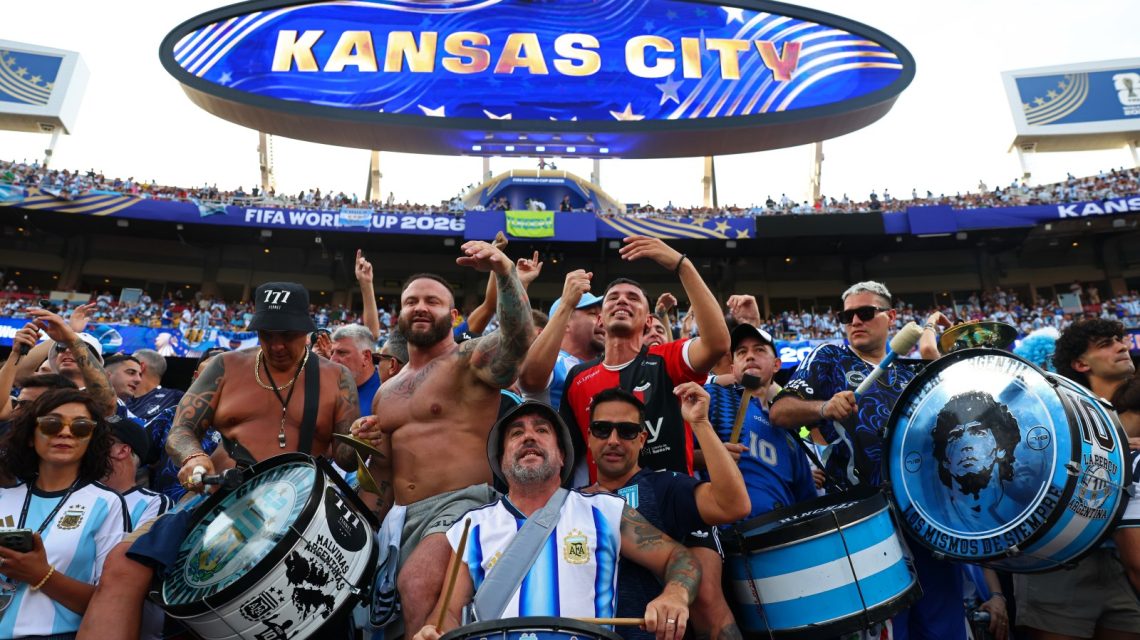
A review of short‑term rental bookings already highlights noticeable effects from the 2026 FIFA World Cup, with some host cities seeing significant demand increases, while others experience a lackluster response. According to AirDNA, an analytics platform for short‑term rentals, cities like Dallas, which are hosting World Cup games, have reported a substantial rise in bookings through platforms such as Airbnb and Vrbo compared to the previous year. Contrarily, New York, despite being a key tournament hub, has faced reduced interest.
Which Cities Are Seeing the Biggest Boost?
AirDNA monitors rental bookings in both host and nearby cities, offering frequent updates on demand leading up to and during the matches. These observations reveal a mixed influence on different locations. Even as some fixtures are days away, last-minute bookings are increasingly common, suggesting changes in demand trends. Kansas City leads with a remarkable 49% increase in bookings compared to last year for matchdays, hitting an 83% rise on a specific match between Argentina and Algeria.
In Texas, Dallas and Fort Worth registered demand increases of 27% and 45% respectively, while Miami enjoyed a 40% year-over-year jump. AirDNA notes that certain host cities might see higher peaks due to pre-existing popularity or cost factors, with World Cup events accentuating these differences.
By contrast, New York experienced a nearly 5% decline in bookings, even as it features prominently in hosting World Cup matches. The Hotel Association of New York City’s president, Vijay Dandapani, indicated booking rates aren’t meeting expectations, predicting a loss exceeding $100 million in expected room revenue.
How High Is Demand for the World Cup?
Airbnb called this World Cup their biggest hosting event to date, forecasting an increase in bookings compared to previous events, like the 2024 Paris Olympics. A notable weekly surge in searches for bookings was observed for the week ending June 7, highlighting a propensity for last-minute arrangements as teams progress throughout the tournament.
Despite this, indications of weaker demand emerge, such as empty seats at some group-stage games. Stephen Shapiro from the Department of Sport and Entertainment Management at South Carolina observed mixed demand patterns, citing ticket prices as potential hindrances due to their inaccessibility for many fans. The expanded format of the tournament, accommodating 48 nations, might also affect attendance.
Shapiro asserted that consideration of pricing impacts on audiences is crucial for FIFA and future host countries, as overpricing could dampen long-term interest. Nonetheless, current attendance surpasses past tournaments, suggesting success in other respects. Resale tickets have increased in price, and higher per-game goal averages enhance the tournament’s allure.
Scott Friedman, host of Ticket Talk, noted, “The FIFA World Cup thus far has been phenomenal. It’s easy to see why prices are surging…Fans are enthusiastic, passionate, and full of life.”
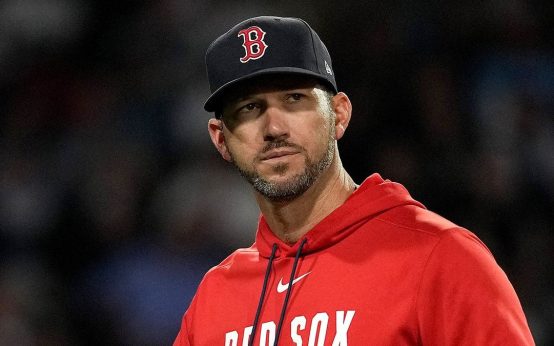 Chad Tracy Appointed Permanent Red Sox Manager
  Lane Kiffin’s Postgame Comments After Ole Miss vs LSU Game
  Deion Sanders Addresses Colorado Loss and Team Conduct
  Steve Lotysz: From Gates to Galleries
  Ireland Faces Calls to Boycott Matches Against Israel
  Jaxson Dart’s Knee Injury Could End Giants Season