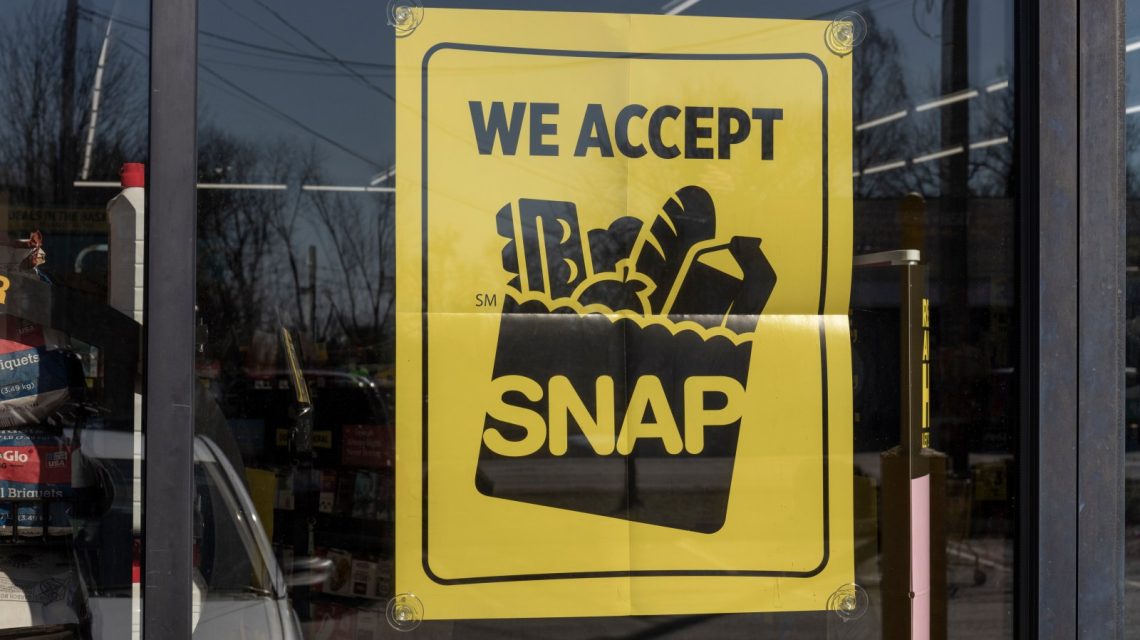
Starting August 1, Illinois residents who lost federal food assistance due to expanded work requirements will receive state-funded payments of $400 per affected individual. This initiative, called the Families Receiving Emergency Support for Hunger (FRESH) program, seeks to alleviate the impact of recent changes to the Supplemental Nutrition Assistance Program (SNAP).
FRESH will distribute up to $70 million to eligible individuals without requiring them to submit applications. While other states have focused on outreach, staffing, and employment support, Illinois is providing financial assistance directly to those who have been cut off from SNAP.
Democratic Governor JB Pritzker emphasized the necessity of this temporary measure after federal changes led to the loss of grocery assistance for thousands of Illinois residents. Nationwide, the signing of the One Big Beautiful Bill Act in July 2025 has resulted in millions losing benefits due to altered requirements for federal aid.
Governor Pritzker stated, “At a time when the cost of groceries, gas, and utilities are increasing, Donald Trump and Republicans decided to remove food assistance from nearly 100,000 people.”
How the Illinois Payments Will Work
SNAP, widely known as food stamps, offers monthly grocery assistance to households with low or no income and is the largest food aid program in the U.S.
Under FRESH, the Illinois Department of Human Services will automatically identify eligible residents. Those qualifying will receive a notification before the $400 payment for each household member is deposited onto their Illinois Link card. Affected individuals without a Link card can request a replacement before the funds are issued.
The first deposits will cover households that lost SNAP benefits between May 1 and August 1, with payments beginning on August 1. Individuals losing benefits after this date will receive the one-time payment after the 16th of the month in which their SNAP assistance ends. Payments will continue until the $70 million allocation depletes.
Lieutenant Governor Juliana Stratton stated, “Trump’s SNAP cuts are having real, dire consequences for families across Illinois.” She noted that the FRESH program is one way the state supports families amidst rising costs and maintains a food system serving all residents.
FRESH payments will not affect a household’s eligibility for other assistance programs such as Medicaid, Temporary Assistance for Needy Families, or AABD Cash.
SNAP Participation Falls by Millions
The Illinois program comes during a significant nationwide decline in SNAP enrollment. Data from the U.S. Department of Agriculture indicates a drop from around 42 million recipients in early 2025 to slightly more than 37 million by April 2026, a reduction of approximately 5 million people.
This decline followed comprehensive revisions to SNAP under the One Big Beautiful Bill Act, or H.R. 1, signed into law by President Donald Trump on July 4, 2025. States introduced changes on variable scales.
An impactful provision expanded work requirements for individuals up to age 64. Able-Bodied Adults Without Dependents must complete specific work or training activities to remain eligible after the time limit.
Previously exempt groups, including certain veterans, homeless individuals, and former foster youth, saw exemptions removed. Caregiver protections were reduced, making some parents of children aged 14 and older subject to work and training requirements.
A USDA spokesperson told Newsweek that enrollment numbers often fluctuate due to various reasons, not only because of policy changes. “SNAP is a means-tested, appropriated entitlement. If a household is eligible, they receive the benefit,” the spokesperson said.
Households undergo recertification. Factors like employment changes, loss of interest in participation, or shifts in household circumstances result in constantly evolving recipient numbers. Thus, benefit recipient numbers are not indicative of any specific policy; several states have experienced enrollment declines even before H.R. 1 enactment.
What Are Other States Doing?
Illinois stands out by using state funds to compensate residents affected by federal work mandate-induced SNAP loss. Other states are mainly assisting residents in understanding requirements, documenting exemptions, or locating suitable work and training.
In California, $39.9 million was allocated for technology changes and outreach related to new SNAP rules, including tools to determine work requirement eligibility or exemptions. Proposed funding further supports staff, automation, and case reviews.
Maryland established an information hub and expanded its SNAP Employment and Training network from 30 to 48 organizations. Recipients gain access to job training, employment aid, case management, and other support to retain or regain eligibility.
New York issued guidance for beneficiaries to maintain benefits after expanded rules took effect in March 2026. The state also backed local employment and training partnerships offering services like transportation, childcare, and career coaching.
Washington proposed a “No Wrong Door” system to better connect SNAP and Medicaid work requirement-affected individuals with employment and benefit services. However, the full initiative remained unfunded during the 2026 legislative session.
Arizona, responding to considerable enrollment losses and reports of long waits and documentation issues, announced hiring more eligibility workers and expanding call center use to enhance response times. These efforts might help residents restore or retain benefits, but they do not offer replacement payments.
Despite potentially reducing administrative errors or aiding recipients’ compliance, none of the mentioned state programs provide automatic payments like Illinois’s initiative.
Contact Newsweek editors on this story: Ben Kelly and James Debens
 Universities Should Reject Political Influence on Research Funding
 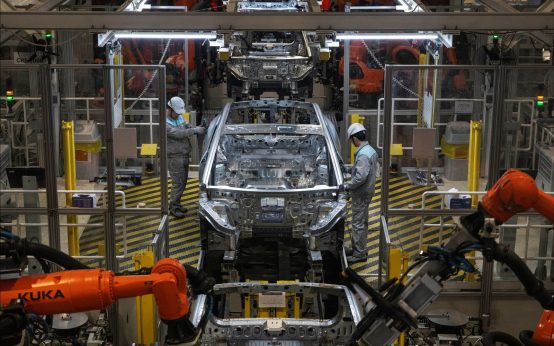 Trump’s Approach to China: Trade Dynamics and Challenges
  Media Outlets Sue After White House Ban
  American Public Opinion on Press Freedom
  Media Lawsuit Against Trump Administration for White House Ban
  The Cost of Challenging Beijing