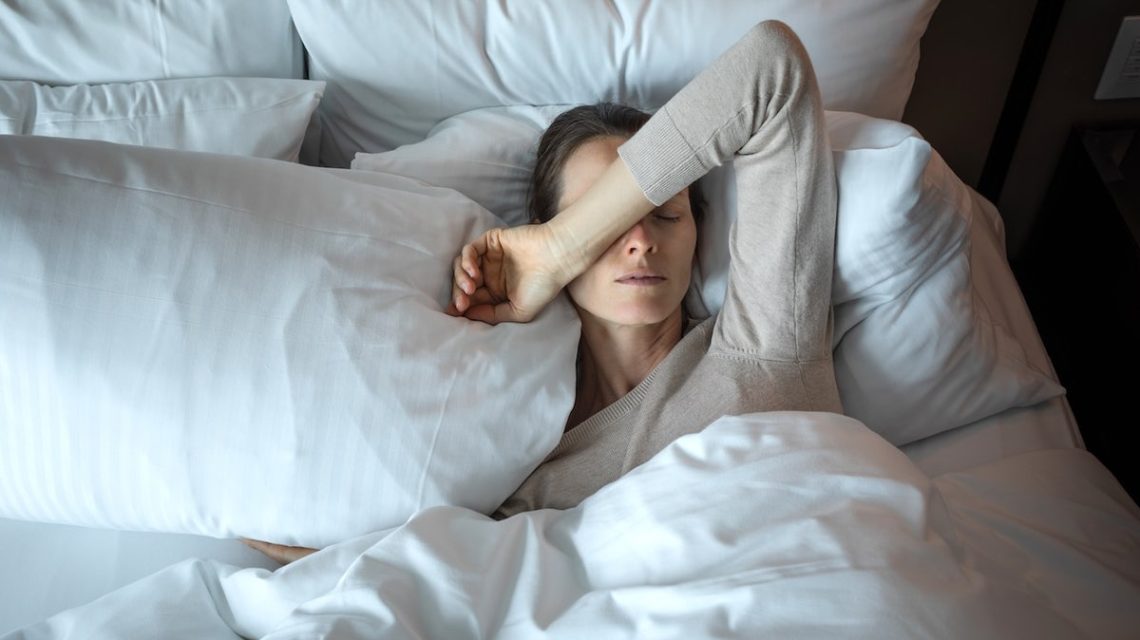
Recent research suggests that sleep habits may help identify a new subtype of depression, termed ‘circadian depression,’ which connects to the body’s internal clock. A study involving 11,380 Australian adults with a history of depression found that roughly 23% met the criteria for this proposed category.
Key Features of Circadian Depression
This potential subtype is characterized by at least three of six specific features:
- Preference for evening activities
- Feeling extremely tired upon waking
- Sleeping longer during depressive episodes
- Experiencing seasonal changes in mood and behavior
- Later midpoint of sleep cycles
- ‘Social jetlag’ or differing sleep patterns between workdays and days off
Seasonal changes can affect sleep, mood, activity, appetite, weight, or energy levels.
Study Findings and Implications
The study published in The British Journal of Psychiatry on October 20 may guide more personalized depression care. Emiliana Tonini, Ph.D., emphasizes that understanding depression’s distinct subtypes allows access to more effective treatments sooner.
“Depression is not uniform, and recognizing its subtypes enhances treatment efficacy,” Tonini explained.
The circadian depression label is not a formal diagnosis and requires additional validation and study.
Challenges in Treatment
Individuals fitting the circadian profile reported an earlier onset and more severe depression and frequently experienced weight gain during episodes. These individuals also noted poorer responses to common antidepressants like SSRIs and SNRIs.
Potential interventions such as light exposure, consistent sleep schedules, and melatonin need further research. Ian Hickie, a study co-author, noted this profile overlaps with existing depression types like atypical and bipolar depression.
“Circadian issues may be more than symptoms; they may be the root cause,” Hickie stated.
The study could not definitively determine if body-clock disruption causes depression or results from it.
Additional Considerations
It’s essential not to assume that staying up late or struggling to wake up alone signifies depression. Participants in the study had reported existing depression, which varied in severity and duration.
John Puls, a psychotherapist, mentioned that SSRIs might worsen symptoms beyond mere depression, affecting sleep quality. These outcomes underline the complexity of managing mental health.
Study Limitations and Future Directions
Several limitations exist, such as the reliance on self-reported information and the study’s cross-sectional nature, which doesn’t clarify the timeline of sleep and depressive symptoms.
All participants were of European ancestry, limiting generalizability. Jillian Amodio, another psychotherapist, advises against treating all patients identically and calls for considering biological, environmental, social, and psychological factors.
Further studies should explore diverse populations, including those working night shifts, and consider time zone and seasonal variations.
The research involved collaborators from multiple institutions in Australia, the U.K., and the U.S.
 Insights from a Hospital Executive’s Journey Working ER Shifts
 Biden Reflects on Memoir and Health Challenges
 Former Aide Criticizes Trump’s Advisers on Health Initiatives
 From Flight Attendant to Content Receptionist: Embracing Simplicity
 A Different Approach to Aging and Beauty
 Jocko Willink on Discipline and Longevity