Hurricane Genevieve Strengthens in 2026 Eastern Pacific Season
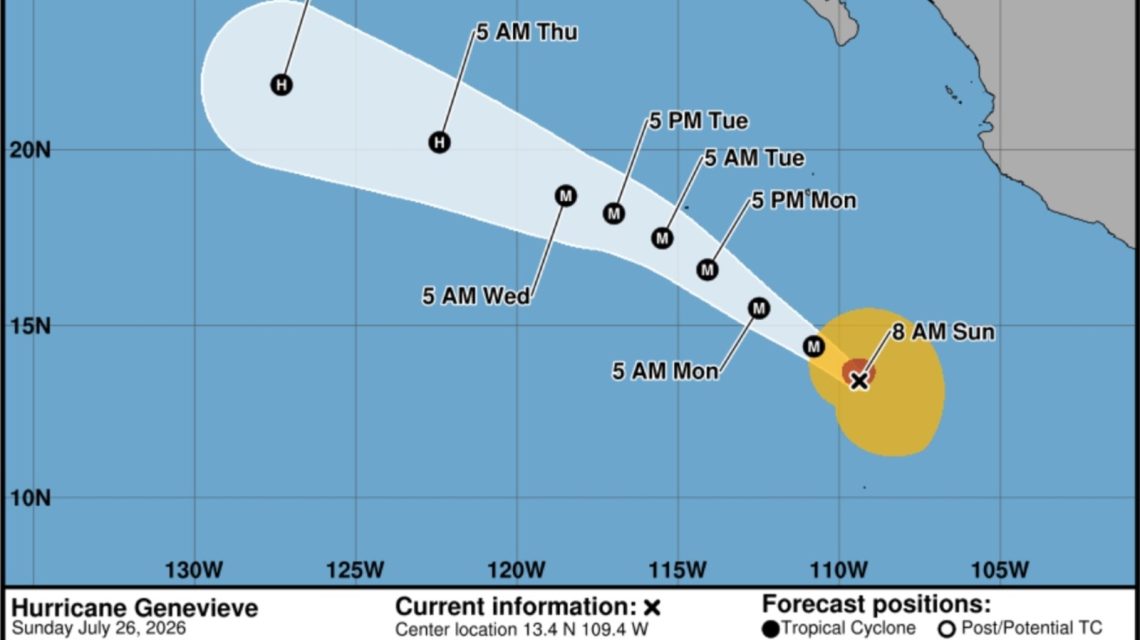
Hurricane Genevieve has emerged as the first major hurricane of the 2026 Eastern Pacific season. It also marks the first significant hurricane in both the Eastern Pacific and Atlantic basins this year. Forecasters predict the storm might reach Category 4 status by Monday.
The National Hurricane Center (NHC) reports that Genevieve, currently a Category 3 hurricane, has maximum sustained winds reaching 120 miles per hour. The storm is positioned well southwest of Mexico, moving over the open waters of the eastern Pacific Ocean. Although Genevieve is not anticipated to make landfall, it may strengthen further in the coming days before a gradual decline is expected later in the week.
Aside from Genevieve, the NHC is also closely monitoring Hurricane Fausto, which poses a threat to Hawaii.
Understanding a Major Hurricane
A major hurricane, according to the Saffir-Simpson Hurricane Wind Scale (SSHWS), is identified as a Category 3, 4, or 5 storm with sustained winds of at least 111 mph. Such hurricanes can cause severe wind damage and considerable impacts on coastal regions. Genevieve met this threshold on Sunday following rapid intensification.
The NHC warns that during a Category 3 hurricane, regions near or at landfall may experience “devastating damage.” Well-constructed homes could suffer serious damage, and many trees might be uprooted, blocking roads. Power and water outages could last from several days to weeks post-storm.
Tracking Hurricane Genevieve
As of Sunday morning, Genevieve was located approximately 515 miles southwest of Manzanillo, Mexico. It was moving west-northwest at a pace of about 16 mph, with a minimum central pressure of 963 millibars—indicative of its strengthened structure.
Hurricane Genevieve’s Impact
According to animated weather maps from windy.com, Genevieve can be seen spinning off Mexico’s coast with notable winds. Satellite footage also displays its distinct central eye. Although heavy rain is expected to stay offshore, the storm may still cause coastal impacts.
The NHC public advisory noted, “Swells generated by Genevieve are affecting portions of the southwestern coast of Mexico and will likely reach southern parts of the Baja California Peninsula by tonight or Monday.” These swells might result in hazardous surf and rip current conditions.
Forecast models suggest Genevieve will remain over open waters, ultimately encountering cooler sea temperatures and less favorable conditions, leading to weakening. Meteorologists anticipate that the storm will maintain its major hurricane classification through at least Wednesday morning.
The appearance of Genevieve signifies the first upper-tier storm of the 2026 season in any major North American basin, with the Atlantic currently calm and no active monitoring of other tropical cyclones by the NHC.
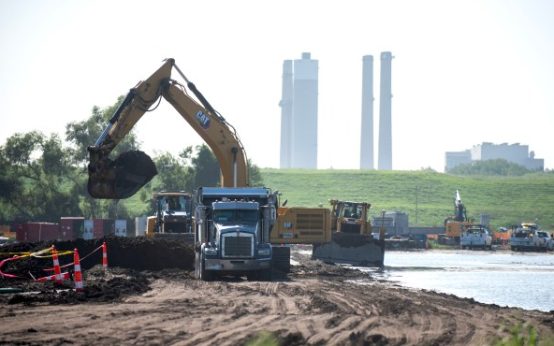 EPA Dismantles Greenhouse Gas Rules, Causing Concern
 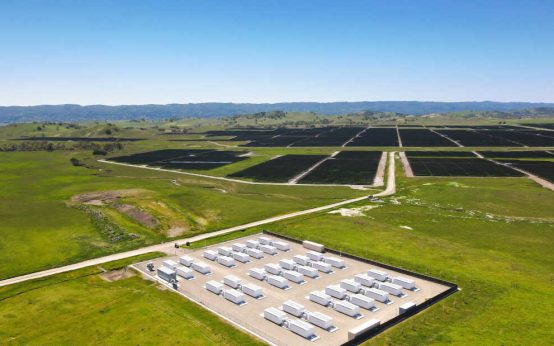 How Battery Innovations Transform Renewable Energy
  Data Centers Stir Controversy in Texas Amid Growth Boom
 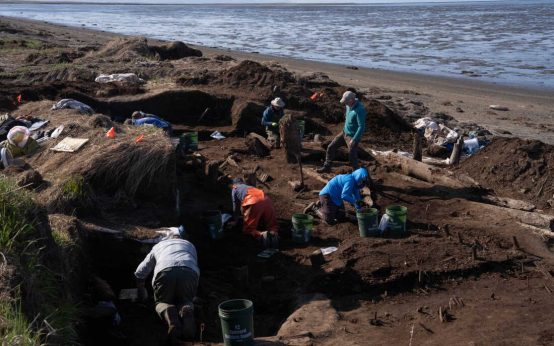 Urgent Archaeological Efforts in Quinhagak Stay Ahead of Erosion
 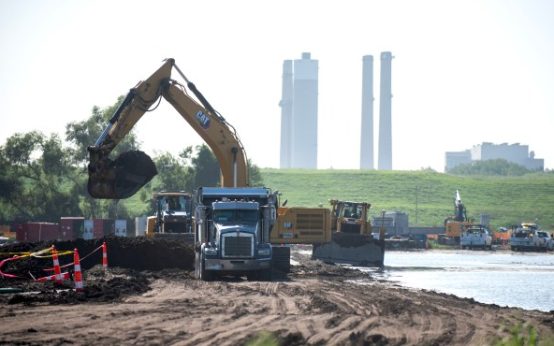 Concerns Rise Over NIPSCO Permit In Jasper County
  Reader Reactions on Grizzlies and Data Centers