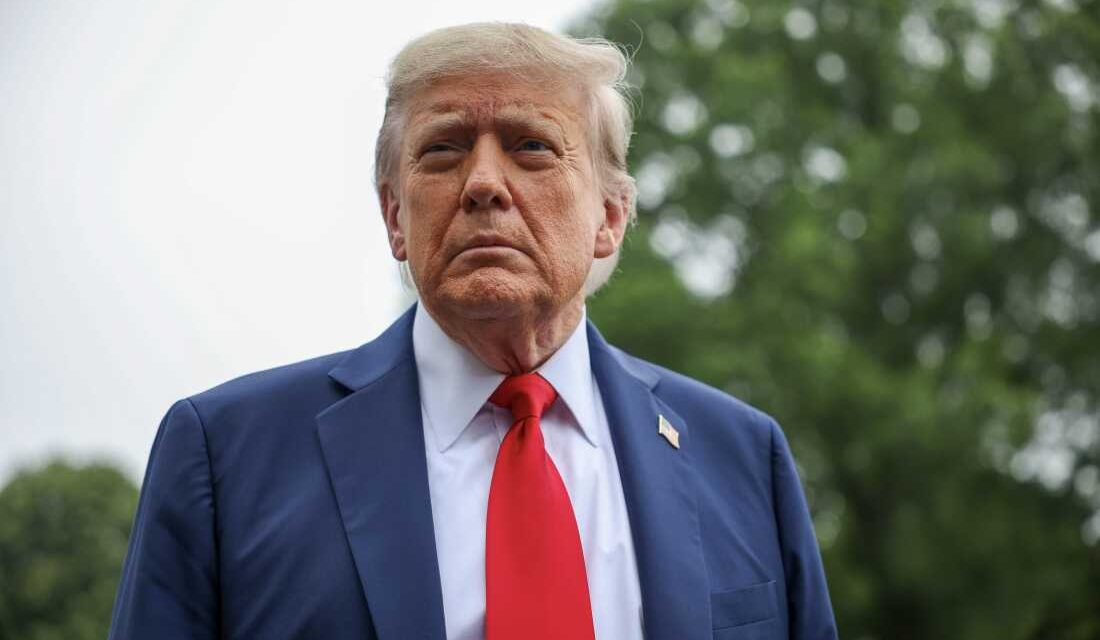
The Introduction of New Tariffs
This week, President Trump implemented a new set of comprehensive tariffs. The administration claims these measures will bolster the U.S. economy and benefit American labor. However, there is substantial evidence suggesting these tariffs might negatively impact many families.
Economic Uncertainty in Trump’s Second Term
Trump’s second term has been characterized by significant economic unpredictability. Factors like conflicts with Iran and global tensions play a role. Recently, the administration decided to replace a temporary 10% tariff with a series of new tariffs affecting multiple countries. These tariffs, ranging from 10% to 12.5%, are designed to be more legally robust. Still, economists predict they may face legal challenges.
Key Points About the New Tariffs
- No Immediate Relief for Households: Many families continue to struggle with the cost of living, especially in light of sustained inflation. Renewed tensions with Iran could drive gas and energy prices up, potentially reigniting inflation concerns. Currently, the national average for gas prices is above $4 per gallon. Additionally, mortgage rates have reached the highest level in almost a year. These factors, combined with new tariffs, could impose an extra financial burden on Americans, adding $1,100 in costs to households.
- Challenges to Lowering Interest Rates: New Fed Chair Kevin Warsh faces a tough task. Inflation remains a concern, and rising imports due to tariffs may catalyze further inflation. If this occurs, the Fed might need to increase interest rates, contradicting Trump’s desire for lower rates.
- Uncertainty for Import-Dependent Businesses: Since the introduction of tariffs, businesses have faced volatility. Trump’s continued focus on tariffs means ongoing uncertainty, which may dampen business investment. Legal battles over tariffs could further affect businesses’ decisions to invest or hire.
- Claimed Benefits of Tariffs: The Trump administration believes tariffs offer leverage in securing favorable trade agreements. They argue tariffs will incentivize domestic manufacturing. Despite these claims, the tangible benefits remain elusive. However, tariffs are projected to generate $1.9 trillion for the government. Experts warn these revenue gains might come at the cost of economic growth.
- Global Economic Impact: Tariffs are influencing the global economy. The International Monetary Fund recently reduced its global growth outlook due to rising energy costs and ongoing trade tensions. Countries are wary of additional tariffs, evidenced by the potential for tariffs against Canada.
 Historical Highlights of September 22 in Chicago
  Buffalo Grove Fire Station 25 Embraces Modern Safety and Efficiency
  Air Traffic Communication Breakdown Disrupts Northeast Airports
  Gen Z’s Early Workforce Success Compared to Millennials
  NTSB Launches National Campaign for Railworker Safety in Chicago
  Staten Island Event Sparks Controversy Over Mayor’s Presence