
Extreme heat is becoming more frequent and lasts longer worldwide. This increase in temperature poses risks, including heat stroke and heat exhaustion. Here’s guidance from experts on staying cool during intense heat, even without air conditioning.
Keep Cool, Even Without Air Conditioning
Stay cool and hydrate often to prevent discomfort and illness during extreme heat. If you lack an air conditioner or it is struggling, try these methods to cool off:
- Spritz your skin with cool or room-temperature water.
- Block windows receiving afternoon sun with blankets or dark sheets.
- Open windows at night; run fans to circulate air.
- Use a cool cloth to wipe your forehead.
- Avoid strenuous outdoor exercise.
- Put ice cubes in your water bottle.
- Avoid using the stove or oven.
Watch for Signs of Heat Exhaustion
Be aware of heat exhaustion symptoms in adults, such as heavy sweating, cold or clammy skin, a rapid weak pulse, nausea or vomiting, muscle cramps, fatigue, dizziness, headaches, and fainting. Address these symptoms by sipping water, moving to a cooler spot, loosening clothing, or using cool wet cloths. Seek medical help if you vomit or symptoms persist beyond an hour.
Recognize the Signs of Heat Stroke
Heat stroke symptoms include body temperatures of 103°F or higher, hot and red skin, a rapid strong pulse, headaches, dizziness, nausea, and fainting. In cases of heat-related illness, a person may stumble or appear uncoordinated. Ask about possible symptoms like headaches or nausea, and observe for confusion. Call 911 immediately if symptoms occur. Move the individual to the shade or a cooler area, and use cool cloths or baths to reduce body temperature.
 Measles Exposure in Philadelphia Raises Health Concerns
 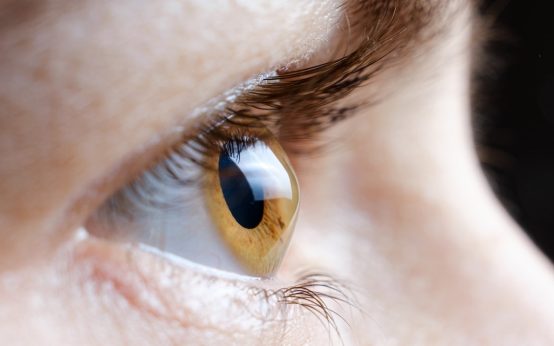 Lawsuits Claim Vision Loss Risk from GLP-1 Medications
 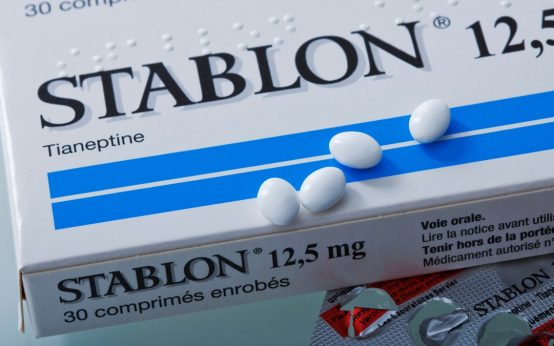 States Tighten Regulations on Tianeptine, Known as ‘Gas Station Heroin’
  Medicare Lab Test Payments: Upcoming Changes and Their Implications
  Gen Z Faces Economic Barriers to Dating and Intimacy
  Understanding and Preventing Suicide: A Public Health Priority