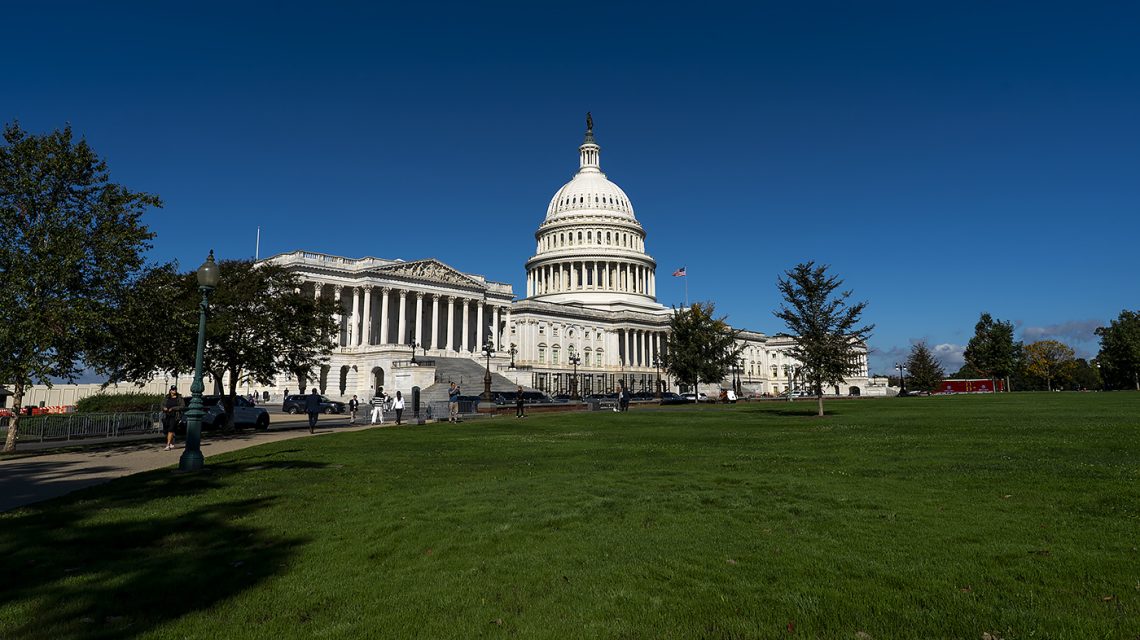
The U.S. Capitol stands as a symbol of leadership and decision-making in Washington, D.C. It’s a reminder of the issues that ripple out to communities far and wide. Recently, a significant issue has emerged in Holmes County, Ohio. A hospital there faced difficulty recruiting a physician. The doctor, unable to find housing, chose a job elsewhere. This is not an isolated incident. Listening sessions in Wayne and Holmes counties highlighted a trend: housing shortages hinder hiring efforts, prompting some professionals to leave.
Employers in rural Ohio are sounding the alarm. A housing shortage isn’t just a local issue; it poses broader economic development challenges. A study presented to Millersburg Village Council revealed a need for approximately 858 more owner-occupied homes and 280 rental units in Holmes County. Only 44% of workers live within the county, unlike 54% in nearby areas. Many commute from outside the area, complicating recruitment for local businesses.
Statistics underscore the problem. Wayne County has 26 affordable and available rental units for every 100 very low-income households. Ohio, as a whole, grapples with a shortfall of about 266,000 rental units affordable to low-income groups. Similarly, the national gap is glaring, with only 35 homes per 100 households in need. That’s a deficiency of 7.2 million homes nationwide.
Ohio’s housing agency reported a net loss of over 62,000 affordable rental units since 2019. To afford a two-bedroom apartment, a full-time worker must earn $23.82 per hour. However, the average earning is $19.59. This gap affects workers like nurses, teachers, and families in regions like Medina and Millersburg, reflecting issues in similar communities.
Building in rural America presents well-known barriers. High land costs, burdensome infrastructure expenses, and outdated development rules inflate costs, pricing out families. Legislative bodies need to be more invested in housing issues. A mortgage has become a luxury, affecting family planning and community grounding.
Veterans face similar obstacles, particularly when job-related moves are necessary. The Homes for Heroes Act aims to address this by enhancing the VA loan guarantee, facilitating home purchases for relocating veterans.
This summer, a significant legislative step occurred. The 21st Century ROAD to Housing Act became law, passed by both the House and Senate with overwhelming support. The law aims to cut regulatory delays, update manufactured housing rules, and facilitate expedited building permit processes. It also ensures rental assistance continuity when USDA mortgages mature. The Agriculture Department manages about 400,000 affordable units nationwide.
Passing the law was straightforward; implementation is the challenge. Ensuring rural communities, like those in Ohio, benefit from federal resources requires continual effort. Maximizing grant allocation to smaller communities rather than large metros is crucial. Collaboration with local governments on zoning and infrastructure is essential for project viability.
Ohio’s state initiatives, such as the housing tax credit, are making headway in financing affordable housing. Successful projects like The Lafayette in Medina County exemplify effective cooperation between local authorities, developers, and government. This model needs to be replicated across the district and other small towns.
Rural Ohio and America consist of determined workers. It is the responsibility of Washington to ensure they have homes. Providing for their living needs supports the backbone of these communities.
Max Miller is a congressional representative for Ohio’s 7th District.
 Elon Musk: The Fifth Musketeer in Modern Geopolitics
 Ohio’s Working Class Prepares for Midterms
 Lessons from the Briefing Room
 Rashida Tlaib’s Surveillance Bill Targets Federal Funding for License Plate Readers
 Religious Groups Oppose Hate Speech Training Law in California
 Addressing the High Recidivism Rates in the U.S.