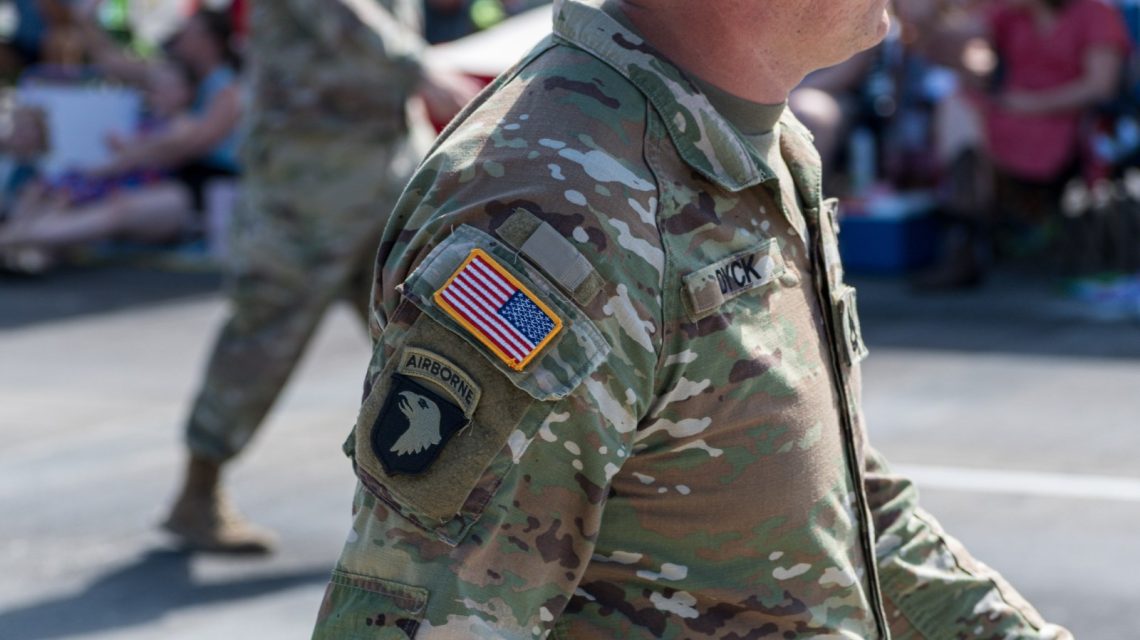
The House of Representatives has approved a bipartisan bill aimed at increasing benefits for severely disabled veterans and military family members. The Sharri Briley and Eric Edmundson Veterans Benefits Expansion Act passed with a vote of 235-179 and is now moving to the Senate. This legislation seeks to provide financial support to more than 7,000 severely disabled veterans and over half a million Gold Star families.
Expanded Payments for Veterans and Families
The bill proposes a 1.5 percent increase in Dependency and Indemnity Compensation benefits over two years. These payments are managed by the Department of Veterans Affairs (VA) and are meant for surviving spouses and family members of service members who died due to service-related conditions.
Additionally, the legislation plans to raise Special Monthly Compensation payments by $10,000 annually. This would benefit veterans with severe injuries and disabilities who need regular aid or have traumatic brain injuries.
The act is named after Sharri Briley, widow of Donovan Lee “Bull” Briley, an Army helicopter pilot killed in 1993, and Sergeant Eric Edmundson, who has been unable to walk or speak since suffering a brain injury.
Tom Barrett, an Iraq War veteran who introduced the measure in 2025, said the bill honors veterans and military families for their sacrifices. “Our nation can never fully repay the debt we owe to the heroes and families who have served and sacrificed for our freedom,” Barrett expressed.
Changes to Home Loan Eligibility
An additional component of the bill is the Home Affordability for Guard and Reserve Act. This would expand access to VA-backed home loans for National Guard and Reserve members, lowering the current eligibility requirements.
Currently, these members need six years of service or 90 days of nontraining federal active duty to qualify for these loans, which require no down payment and offer competitive rates. The proposal would allow those completing 14 days of active duty or training to become eligible.
Proponents believe this would help more reservists and National Guard members access homeownership.
Funding Changes and Opposition
To fund the benefit expansions, the bill proposes changing refinancing fees under the VA home loan program. The refinance fee would increase from 0.5 percent to 1.42 percent, and the loan assumption fee would rise from 0.5 percent to 1 percent. Disabled veterans remain exempt from these new fees.
Critics argue these changes unfairly transfer costs to other veterans. While some Democrats support the benefits increase, they oppose the funding method, which they say taxes veterans. Mark Takano, a California Democrat, criticized funding the bill by raising fees on veterans. “We must increase benefits for surviving family members and catastrophically injured veterans, but we cannot charge other veterans,” Takano remarked.
Common Defense, a progressive veterans group, expressed concerns that refinancing changes would financially burden veterans. Director Naveed Shah noted, “Veterans should not be pitted against one another when Congress refuses to fund crucial benefits.”
Support for the Bill
Despite objections, the legislation is backed by numerous veterans and military family organizations. Supporters include the Veterans of Foreign Wars, American Legion, Disabled American Veterans, and others.
House Veterans Affairs Committee Chairman Mike Bost emphasized the importance of the legislation, stating, “These American families would never ask for anything, but our nation owes them a debt that can never fully be repaid.”
The bill now awaits deliberation in the Senate.
 North Carolina Senate Race Influenced by Abortion Policy Messaging
  Trump Pressures Republicans on Filibuster Threat
  Rep. Golden Endorses Rep. Lawler for Re-election
  Public Perception and Political Impact of Data Centers
  Jewish Democrats in Michigan Shift Support to GOP Candidate in Senate Race
  Legal Challenges in Pursuing a Wrongful Death Claim Against Utah Valley University