If historical trends hold true, Republicans could face significant challenges in the upcoming November elections. President Donald Trump’s average approval rating has fallen below 40%, while his disapproval rating has risen to the high 50s. Historically, when presidents have approval ratings below 50%, their parties have often struggled in midterm elections.
Republican members of Congress are facing similar issues. The generic ballot indicates a majority of midterm voters favor Democrats. Congressional disapproval rates have climbed to the high 60s in 2026, up from 2025 levels. These numbers suggest a potential negative outcome for Republicans.
“TRUMP’S ‘FIREWALL’ AGAINST SOCIALISM IN BATTLEGROUND STATE PUNCHES TICKET TO ELECTION,” reads a report, highlighting Republican strategies.
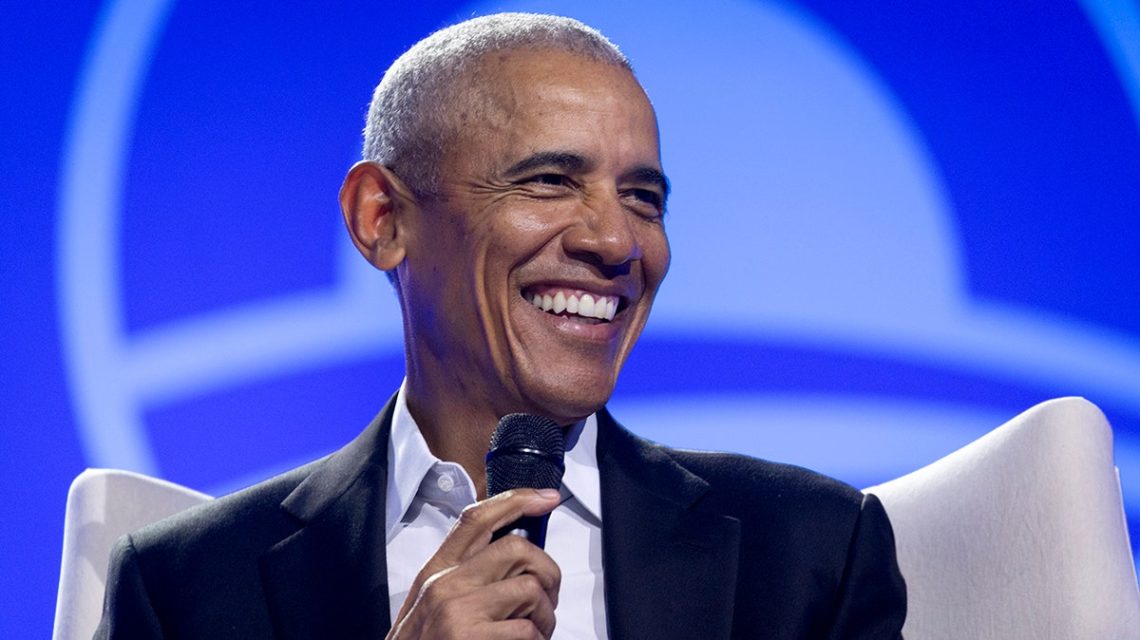
To improve their prospects, Republicans may consider emulating a strategy used by former President Barack Obama. During his 2012 campaign, Obama managed to turn around a challenging situation, which Republicans can study for inspiration.
Obama’s victory in 2012 was not an assured event. The Republicans, boosted by the Tea Party, achieved a large victory in the 2010 midterms. Economic recovery from the 2008 crash was slow and fraught with public concern over government spending. Obama’s approval rating hovered in the low 40s, sometimes dipping below that.
Two key strategies helped Obama succeed in 2012. First, despite dissatisfaction with the economy, Obama’s administration convinced many voters that economic issues originated with former President George W. Bush’s administration. His campaign stressed the alleged failures of previous policies while projecting a forward-looking vision for economic recovery.
Republicans have a similar opening today. They assumed leadership during an intense inflation crisis in 2025. Housing and consumer goods’ prices soared under Democratic control, influenced by various factors like pandemic lockdowns and rising energy costs. Republicans need to make clear that returning to previous policies could exacerbate these issues.
The second strategy involves acknowledging ongoing struggles while asserting that progress has been made. Obama managed to instill confidence by highlighting recovery signs, even as he recognized the work left to be done. He asked voters for more time to continue these efforts.
“TRUMP WILL ‘DELIVER’: RNC CHAIR SIGNALS MIDTERMS CONFIDENCE DESPITE ‘DOOM AND GLOOM’,” says another report, reflecting Republican optimism.
For Republicans, a credible strategy would not ignore economic struggles but focus on demonstrating improvements under their watch, such as more controlled inflation and stabilized housing prices. In Biden’s time, the Consumer Price Index rose sharply, while under Republican leadership, the rise has moderated significantly.
No strategy can guarantee victory. Elections rarely hinge solely on data. Voters need to feel that progress is happening and that a change in direction could risk these gains. Republicans should study Obama’s approach: acknowledge inheriting a difficult situation and claim to provide measurable progress, while framing opponents as likely to reverse it. Whether these tactics will sway voters remains crucial for the Republican Party’s future in Congress.
Justin Haskins, author and president of Our Republic, emphasizes the importance of credible messaging in political campaigns.
 Abdul El-Sayed’s Stance on Capitalism Amid Socialist Ties
  Key Issues Emerge in Maine Senate Debate
  Steve Hilton Emphasizes Principled Policies Amid California’s Political Landscape
  Former German Spy Chief Arrested for Espionage and Treason
  Debra Messing Endorses Republican Bruce Blakeman, Citing Concerns for New York
  Trump Criticizes Fox News for Airing Democratic Candidates