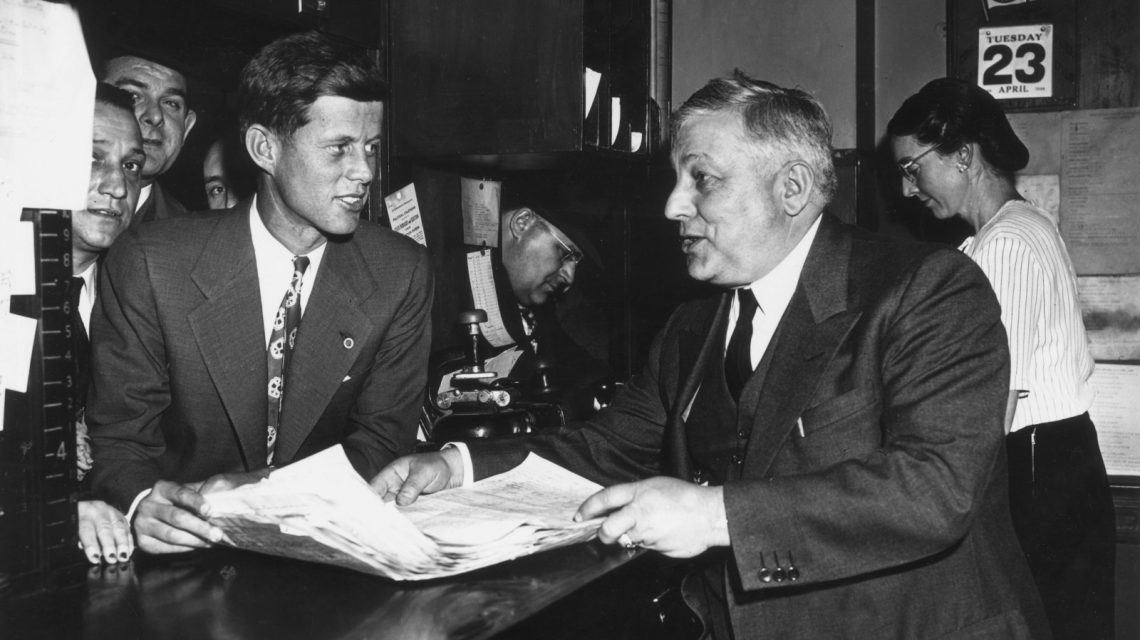
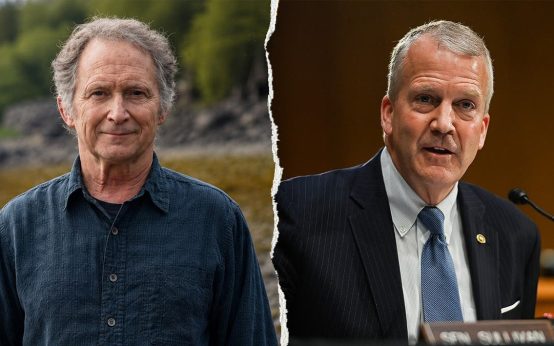
The controversy surrounding Alaska’s U.S. Senate race between two candidates both named Dan Sullivan has an unexpected historical parallel. This instance echoes John F. Kennedy’s first congressional campaign in 1946, when two candidates named Joe Russo competed against him in the Massachusetts primary.
Alaska’s Senate Race Legal Dispute
The Trump administration has taken legal action to block the certification of Alaska’s Senate election if the Republican incumbent, Dan Sullivan, loses. It contends that voters may confuse him with another candidate, Daniel J. Sullivan Jr. Alaskan officials have responded by asking a federal judge to dismiss the case, as this contest could influence Senate control.
JFK’s 1946 Campaign
Eighty years earlier, Kennedy faced a similar issue with candidate names in Massachusetts. Joseph Russo, a renowned Boston city councilor and Italian immigrant, opposed Kennedy’s campaign. Russo criticized Kennedy’s qualifications, citing the advantages of his family’s wealth, and mocked his campaign with an advertisement questioning his legitimacy.
Russo, however, faced competition from another candidate sharing his name. Allegedly, Kennedy’s campaign manager convinced a second Russo, an inexperienced janitor, to join the race and potentially split voter support. This tactic was reportedly approved by Kennedy’s father, Joseph P. Kennedy Sr., though JFK’s involvement remains uncertain.
The Outcome and Political Implications
Despite these tactics, Kennedy secured the nomination with a significant margin, receiving 22,183 votes compared to Russo’s 5,661 and 773 for the second Russo. Kennedy began his political journey, later becoming President in 1960. The older Russo continued public service, eventually serving on Boston’s Election Commission.
Alaska’s Court Fight
In Alaska, the dispute involves Republican Senator Dan Sullivan and challenger Daniel J. Sullivan Jr., who runs independently. Republicans accuse the latter of attempting to divert votes from the incumbent, which he denies. A state Supreme Court ruling affirmed Daniel J. Sullivan Jr.’s place on the ballot.
Election officials distinguish the candidates by listing the senator’s party affiliation. The ranked-choice voting system allows voters to rank them according to preference. The Justice Department’s lawsuit, initiated October 22, aims to block election certification if the incumbent loses under such circumstances.
Alaskan officials dispute the legal grounds for federal intervention, questioning the ability to ascertain voter intent without compromising ballot privacy. A judicial decision is expected before Election Day. Legal experts suggest that political encouragement for a candidate’s participation does not inherently disqualify or jeopardize other candidates.
Comparing Historical Controversies
These political episodes span nearly eight decades with distinct narratives. Kennedy’s campaign allegedly divided opposition support using a name-sharing tactic. In Alaska, the dilemma revolves around potential confusion and the legitimacy of federal election intervention.
Both situations highlight challenges candidates face when names become focal points in elections. They demonstrate the complexities of political maneuvering versus legal standards governing candidacy.
 Michigan Senate Candidate Emphasizes Diplomatic Approach to Cartels
 Tight Race in South Carolina Senate Election
 Federal Judge Denies DOJ Request to Set Aside Alleged Noncitizen Ballots in California
 Revelations of Democratic Strategy in Alaska Senate Race
 HHS Proposal to Regulate Compounded Peptide Drugs
 Federal Judge Rejects DOJ Request on Suspected Noncitizen Ballots