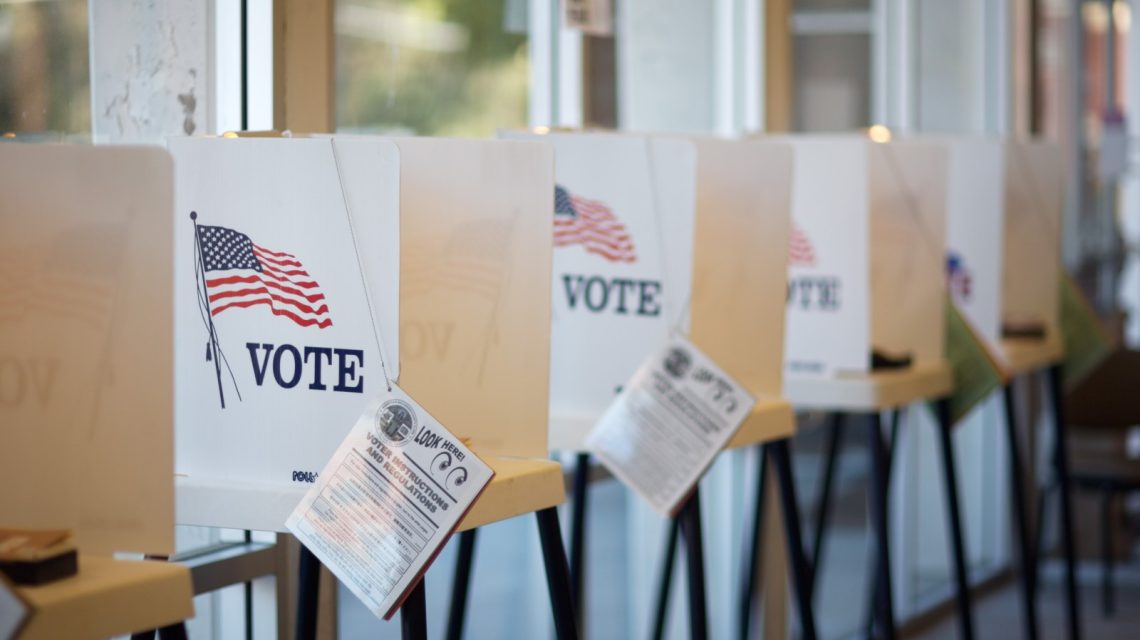
A federal judge rejected a request by the Department of Justice (DOJ) to have California election officials separate approximately 20,000 ballots allegedly cast by noncitizens. The judge labeled the request as a democratic threat, demanding its cessation.
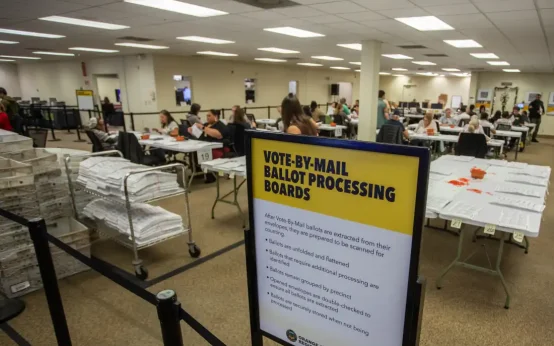
The DOJ sought a temporary restraining order to prevent California and Los Angeles County election officials from counting ballots cast by potential noncitizens while the lawsuit is ongoing. Judge David O. Carter of the U.S. District Court for the Central District of California expressed strong concerns about the attempt, stating, “If the Executive can discount votes and threaten an ongoing election due to unproven allegations, our democracy is in danger.” He emphasized that any erosion of trust in democracy is irreparable, adding that segregating a vote causes lasting harm.
The court found that the government had not convincingly argued its likelihood of success in these claims. Judge Carter warned that the proposed relief could “wreak havoc and disrupt the election that is already underway,” imposing a chilling effect on both election workers and voters. This would risk discounting U.S. citizens’ votes.
Why the Judge Rejected the Request
In his decision, Judge Carter questioned if the federal government had the standing to seek such relief and if federal law allowed the court to intervene as the DOJ requested. The court concluded that federal criminal laws forbidding noncitizen voting do not override California’s election procedures.
The government’s case failed to demonstrate how federal law preempts state ballot-counting processes or requires segregating ballots based on a federal list. The judge criticized the reliability of the governmental evidence, citing inaccuracies in citizenship databases. Previous attempts to identify noncitizen voters resulted in many false positives.
The judge cautioned that altering election procedures while voting continues could lead to confusion among officials and disenfranchise lawful voters. A notable aspect of the ruling focused on the “Purcell principle,” which discourages last-minute changes to election rules due to their potential for causing voter confusion and administrative issues.
Broader Dispute Over Noncitizen Voting
The case highlights a national debate regarding noncitizen voting and election integrity. Federal law prohibits noncitizens from voting in federal elections. However, identifying noncitizens accurately without erroneously flagging eligible citizens, particularly naturalized ones, remains challenging.
Judge Carter stressed that if the government believes any individual voted unlawfully, existing criminal enforcement mechanisms should be employed. Rather than segregating thousands of ballots, the government can investigate and prosecute specific violations with supporting evidence.
For the time being, California election officials will continue ballot counting according to state procedures while the litigation proceeds.
Why the DOJ is Suing
Earlier this month, the federal government provided California officials with a list of over 20,000 names, granting them 48 hours to review it. California’s refusal to comply with the DOJ’s measures led to the lawsuit against California Secretary of State Shirley Weber and Los Angeles County Registrar-Recorder Dean Logan.
According to the complaint, U.S. Citizenship and Immigration Services (USCIS) correlates voter-roll information with its internal data, seeking potential matches between registered voters and possible noncitizens. A “high-confidence” match involves several identifiers suggesting a strong link to USCIS records.
The Department of Homeland Security explained that federal agencies cross-referenced state voter-registration records with “known aliens” in federal systems. Other available data, including commercial third-party data, helped verify identities and “eliminate false positives.” Investigators attempted to match voter information with an alien number in the USCIS systems and checked for evidence of naturalization or derived citizenship.
USCIS eventually sent a list of allegedly registered noncitizens to Homeland Security Investigations, prompting the belief that about 20,000 noncitizens are registered to vote in California.
The DOJ later asserted that these individuals’ statuses were “manually verified to date,” suggesting that this number might increase, despite not confirming their noncitizen status.
 Tight Race in South Carolina Senate Election
 Revelations of Democratic Strategy in Alaska Senate Race
 HHS Proposal to Regulate Compounded Peptide Drugs
 Federal Judge Rejects DOJ Request on Suspected Noncitizen Ballots
 Federal Judge Denies DOJ’s Request to Segregate California Ballots
 Federal Judge Blocks Trump Administration’s Request in California Ballot Case