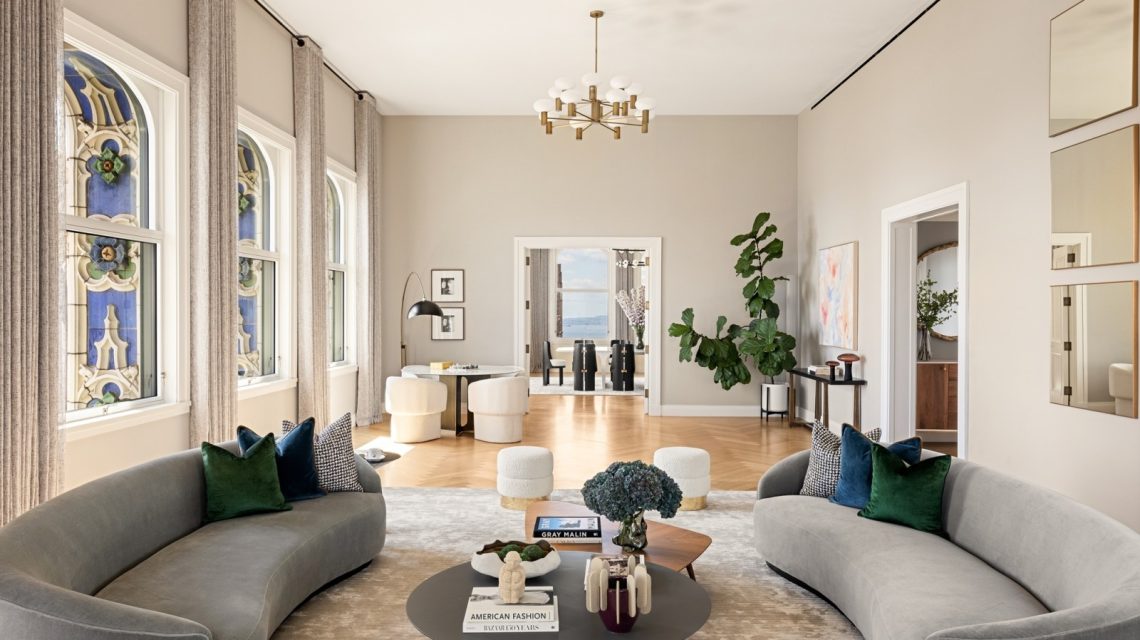
New Yorkers and beyond now have the opportunity to own a piece of the city’s history at the top of one of its iconic landmarks—The Woolworth Building. Designed by renowned architect Cass Gilbert, the Woolworth Building was completed in 1913 and held the title of the world’s tallest building at 792 feet.
Located in Tribeca, Lower Manhattan, this Gothic-style skyscraper houses luxury residences, including Residence 40, now available for $18.5 million. This residence, once the private office of Frank W. Woolworth, founder of the Woolworth Company, offers a sprawling living space with 4 bedrooms across over 6,000 square feet, positioned at 516 feet above City Hall Park.
According to Catherine Juracich from The Corcoran Group, Residence 40 is unique for its spectacular architecture and historical significance. It’s the only apartment in the building with 15-foot ceilings and original polychromatic terra-cotta detailing.
Michelle Griffith from Douglas Elliman emphasizes the cultural and architectural importance of the Woolworth Building, noting Gilbert’s notable contributions to American architecture.
A Trend in Adaptive Reuse
The sale of residences in the Woolworth Building aligns with a trend of converting historical buildings into luxury spaces, like the Flatiron Building, which is undergoing conversion into upscale apartments.
The trend of adaptive reuse is gaining momentum. As noted by RentCafe, the creation of nearly 25,000 apartments from repurposed buildings in 2024 marks a 50 percent increase from the previous year.
Architect Gordon Gill sees innovation in rethinking existing structures as crucial for sustainability, avoiding obsolescence. The American Institute of Architects highlights that half of America’s buildings are over 50 years old, presenting opportunities for conversions that benefit the environment.
Demand for Historic Residences
Catherine Juracich observes growing interest in homes with historical landmark properties, as luxury buyers seek character and a story in their residences. This demand is driven by unique architecture and authenticity.
Eric Robinson from RODE Architects reflects on the connection to historical detail and quality construction in older buildings. Preserving these elements while adapting them for modern use brings warmth and character to living spaces.
Location is a significant factor, with many historical structures situated in desirable downtown areas, close to amenities. Cities like Boston support these conversions through streamlined permitting and tax incentives, facilitating the transformation of existing buildings into housing.
Ultimately, buyers seek historic properties for their singularity and provenance, offering a prestigious opportunity to own a piece of architectural legend and become part of its story.
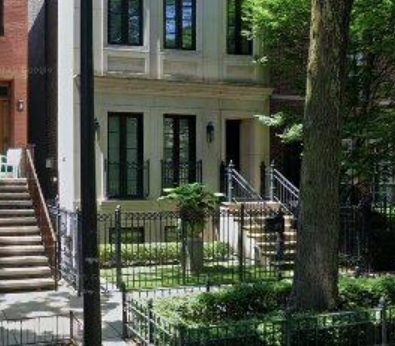 Coby White Sells Lincoln Park Mansion for $5 Million
 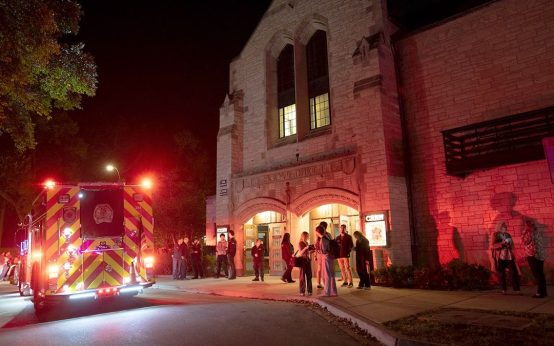 Fire Alarm Disruption at Northwestern University Play
  Revival of Stalled Skokie Hotel Development Gains Traction
  Closure of Longstanding Arts Nonprofit Hamilton Wings
 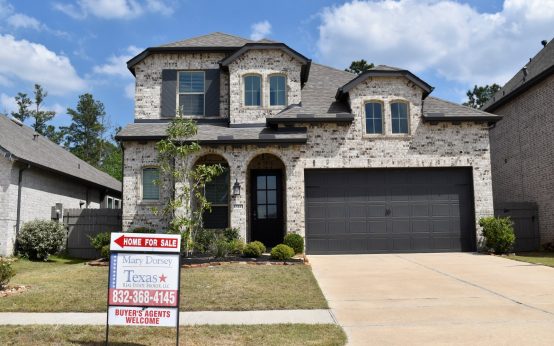 The Impact of the Silver Tsunami on the Housing Market
  IKEA’s Strategic Move: Closing Bolingbrook Store and Opening Smaller Format in Naperville