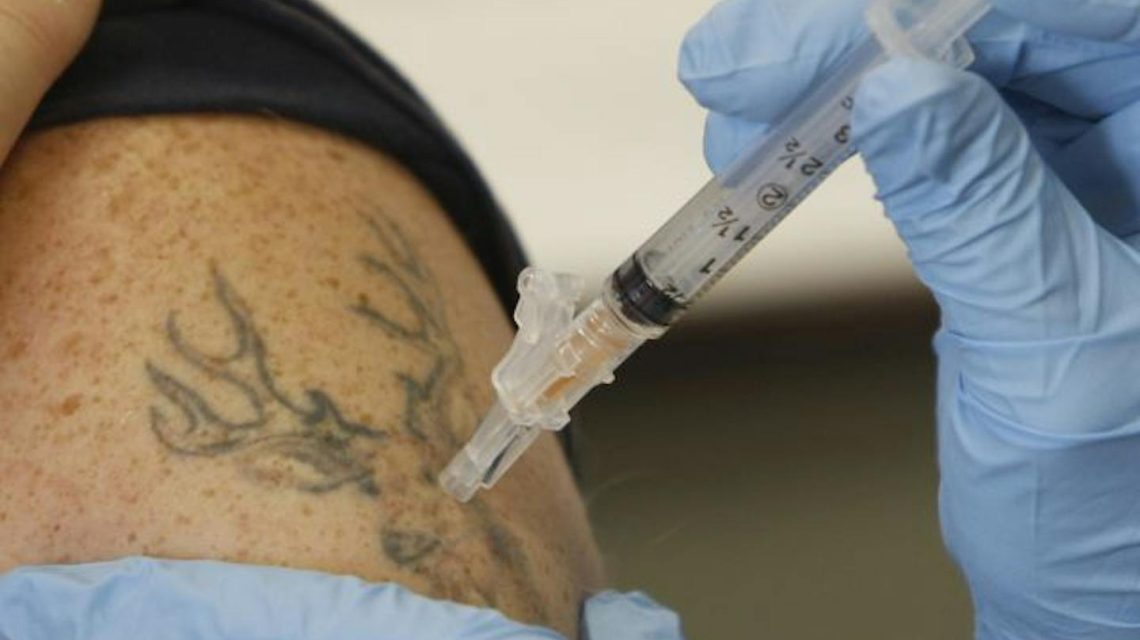
Flu shots require approximately two weeks to reach their full effectiveness. Because of this, Minnesota health officials are encouraging residents to get vaccinated promptly.
State health authorities have observed an early increase in severe flu cases. They have confirmed 225 flu-related hospitalizations so far this season. In comparison, the average for the same period in the previous three seasons was 33 cases.
Vaccination Urgency
State influenza epidemiologist Melissa McMahon stresses that it is not too late to receive a flu shot. As Thanksgiving approaches, McMahon urges timely vaccinations to prevent further spread.
Although the increase in cases has been gradual, McMahon notes the absence of evidence for an early or severe flu peak. She points to low vaccination rates and a slight genetic variation in the circulating H1N1 virus strain as possibly causing early infections that need treatment.
Flu Virus Characteristics
Influenza often begins with a sudden high fever, breathing issues, cold symptoms, and body aches. The virus spreads chiefly through droplets from coughs, sneezes, or speech by infected individuals. Severe infections can lead to complications like pneumonia and worsen existing health conditions.
The state records show an average of 380 flu-related deaths in the past three years. About half of these deaths involved Minnesotans aged 80 and older. So far this year, there have been four reported deaths.
Monitoring and Prevention
This winter marks the first use of wastewater monitoring to track influenza spread from the flu season’s start. This method, developed during the COVID-19 pandemic, revealed increased flu levels in the week ending November 8. Nine out of 26 wastewater sites reported signs of the virus.
Flu viruses have historically spread at holiday gatherings and later caused outbreaks in schools and care facilities. Hospitals have experienced overcrowding and lengthy emergency room waits during peak flu periods in January for the past two seasons.
As of mid-October, only 24% of eligible residents had received the flu vaccine. The vaccination rate for seniors at higher risk for complications is higher at 53%.
The vaccine’s protective efficacy ranges from 40% to 60% when it matches prevalent virus strains. It takes roughly two weeks post-injection to offer full protection.
 Medtronic Gains Market Share with Atrial Fibrillation Technology
 Key Developments and Updates in Politics, Health, Sports, Markets, and Security
 Positive Trends in Youth Mental Health and Decline in Overdose Deaths
 Ambetter Health Plan Faces Criticism for High Denial Rates
 Caregiving Challenges for Older Adults
 Recent Events Highlight Legal and Social Shifts