
The Bureau of Alcohol, Tobacco, Firearms and Explosives (ATF) reported a significant decline in gun-trafficking charges within the first year of Donald Trump’s presidency compared to the previous year, with a 30% reduction noted. Additionally, many of these referrals were dismissed by prosecutors more often than before.
The ATF shifted a substantial number of its agents towards aiding Immigration and Customs Enforcement (ICE), redirecting its focus from gun law enforcement to immigration actions. Under Trump, the zero-tolerance policy initiated by the previous administration was reversed, resulting in a 69% drop in firearms dealers losing their licenses for violations.
Marianna Mitchem, whose life was shaped by the Columbine massacre, has significant insights into the ATF’s operations. She grew up in Denver, played high school soccer, and faced Columbine High a day before the horrendous shootings. The experience influenced her decision to join the ATF, striving to make a positive impact in response to gun violence. Initially, as an industry operations investigator, she ensured firearm dealers adhered to legal processes.
In 2021, due to rising violence and increased homicides in the U.S., drastic measures were introduced to counteract gun crimes. President Joe Biden’s administration implemented a policy known as ‘zero tolerance’ for firearms dealers violating the law, resulting in an increase in license revocations, reaching 181 in 2023.
The reason for the surge in revocations began with the recognition that most guns used in crimes stem from a small number of dealers. Data revealed trafficked guns, often sold to unauthorized purchasers, had a notable connection to criminal activity. Consequently, laws were tightened, including creating new charges for firearms trafficking.
Tightening these laws coincided with a decrease in the homicide rate, attributed partly to the disruption of illegal firearm flows. Yet, despite the positive trend, bond research indicated the full impact might unfold slowly, with crime rates possibly rising again without sustained enforcement. A typical ‘time to crime’ statistic shows it takes a few years before trafficked weapons influence violent acts.
Unfortunately, when Trump re-entered the presidency, crucial policies were undone, and a significant number of ATF agents were reassigned to immigration duties. This pullback in enforcement could potentially hinder progress made against gun trafficking.
Mitchem, disenchanted with the policy changes, left the ATF and joined Everytown, a gun-safety advocacy group. Her warning was clear: ignoring trafficking could have detrimental consequences for crime rates.
Statistics revealed that dealer compliance with gun laws was vital. Between 2017 and 2023, 2.3 million traced firearms showed half were bought recently and in possession of unauthorized users. These findings highlight the importance of consistent enforcement.
This pressure on dealers and adherence to regulations could catch trafficked guns and prevent them from contributing to crime. However, ATF enforcement has always been politically complicated. Conservatives’ principles on firearm possession often clash with strict enforcement, while liberals who favor tight regulations may oppose harsh penalties for violators.
Despite political challenges, the ATF’s intelligence capabilities improved, sharing data with local agencies to combat illegal firearms distribution. Technological tools, such as the National Integrated Ballistic Information Network, became central in linking crimes to specific firearms. This system had tangible results, helping build cases against traffickers as local law enforcement got detailed insights.
A nationwide focus needed to continue this progress was diverted. Sales surged, increasing gun availability. Many guns from dealers appeared rapidly at crime scenes, indicating heightened trafficking activities. Conversely, ghost guns, untraceable firearms assembled from kits, posed another threat due to lack of regulation.
The drastic increase in gun sales and shootings necessitated focus on effective enforcement measures to curb these activities. Therefore, rigorous inspection and intervention remained as pivotal strategies to combat illegal firearm distribution.
By 2021, prosecutors executed informed, data-driven enforcement, tackling trafficking networks effectively. For instance, in Connecticut, a gun bought in North Carolina ended up in a fatal shooting days later, revealing the fast-moving Iron Pipeline, a trafficking pathway from southern to northern states. Busts across various states underscored the importance of collaboration and rigorous prosecution.
With federal momentum pushing against gun trafficking, ATF and the Department of Justice advanced cases expeditiously. Successful prosecutions reflected the policy’s impact, revealing hidden trafficking rings and significantly reducing illegal gun sales. Meanwhile, public opinion and policy focused on diminishing firearm availability to curtail shootings.
Though licensing enforcement had mixed reception, the zero-tolerance policy under Biden significantly motivated dealers to obey the law. By this clarity and oversight, questionable dealers were exposed, resulting in record revocations.
These actions faced legal challenges, as shops contested revocations that some claimed were based on minor clerical errors. Dealers contended the agency’s interference hurt their legitimate business operations, preferring a cooperative approach with the ATF.
When Trump halted Biden’s zero-tolerance policy, allowing revoked dealers to regain licenses, notable changes in approach surfaced. The administration redirected resources away from gun law enforcement to immigration efforts, dramatically altering prosecution strategies.
Shifting priorities saw ATF agents overwhelmingly assigned to ICE, leading to fewer trafficking-related charges under standard statutes. Although the prosecution rate under newer trafficking laws remained high, a substantial proportion of cases concerned border-related offenses.
Mitchem advised states to step up enforcement amid federal scale-backs, stressing the importance of vigorous state-led initiatives to maintain control over trafficking. Rejecting complacency amid lower crime rates was critical, she urged, as illicit channels took time to manifest crime impacts.
One positive step remained: restrictions against ghost guns held steady under judicial protection, correlating with reduced youth shootings. Yet impending policy shifts threatened their effectiveness, raising concerns about potential deregulation effects.
Criminologists emphasized maintaining barriers against illegal firearm sales, advocating for comprehensive enforcement strategies to curb trafficking’s deep impact. Fostering community awareness and transparent policy enforcement formed core elements in tackling the nuanced landscape of gun-related crimes.
 Trump Pressures Republicans on Filibuster Threat
  Rep. Golden Endorses Rep. Lawler for Re-election
  Public Perception and Political Impact of Data Centers
  Jewish Democrats in Michigan Shift Support to GOP Candidate in Senate Race
  Mayor Mamdani and President Trump Discuss Major Housing Project in NYC
 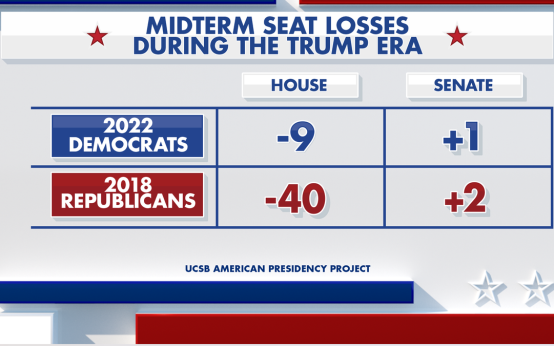 Poll Reveals MAGA’s Increasing Popularity Over DSA as Democrats’ Future Debated