The metaphor of ‘guardrails’ is heavily used when discussing Trump’s second term. If you fear this administration is out of control, reducing federal workforce, straining alliances, starting wars, militarizing cities, weakening NATO, demolishing parts of the White House, or proposing taxpayer-funded slush funds, then the failure of these ‘guardrails’ is often lamented.
Just imagine Donald Trump with no guardrails,
Kamala Harris warned during her unsuccessful 2024 campaign. Even media hosts have commented on the fragility of these supposed protections, describing them as made of Jell-O
when reflecting on Trump’s first year back in office. Democrats are proposing various legislations as crucial ‘guardrails’ to contain the powers and personality of the 47th president.
During Trump’s first term, discussions focused on what norms he might break. Now the question is, What can stop him?
The concept of guardrails, whether strong or eroded, limits how we perceive restraints on power. They can reduce us to mere observers, relying on ancient wisdom, like that of James Madison, to set boundaries. However, sometimes these guardrails don’t exist, or they might be weak. To make a metaphorical guardrail into reality, individuals must become one.
Physical guardrails, like those on hospital beds, highchairs, highways, or paths near cliffs, exist to prevent falls and protect the vulnerable. They discourage risky behavior and warn us when danger is near.
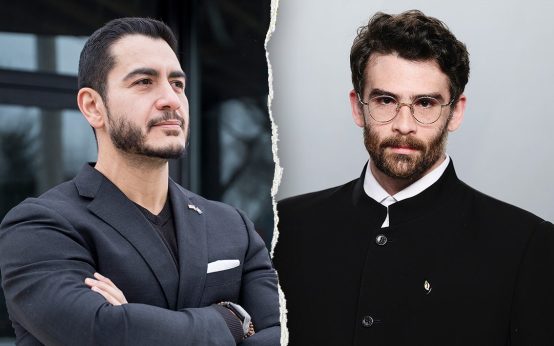 Criticism Arises Over Michigan Senate Nominee’s Association with Streamer
  Homeland Security Takes Action Against Voter Fraud
 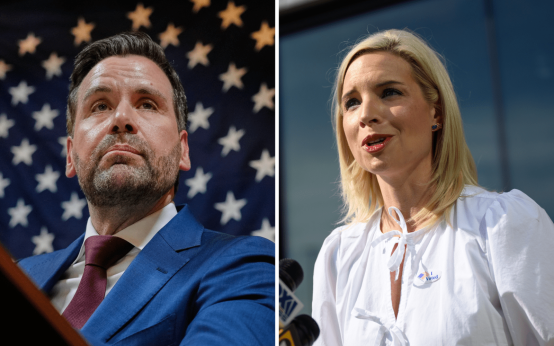 Iowa Senate Election: Turek Leads in Polls Amid Economic Concerns
 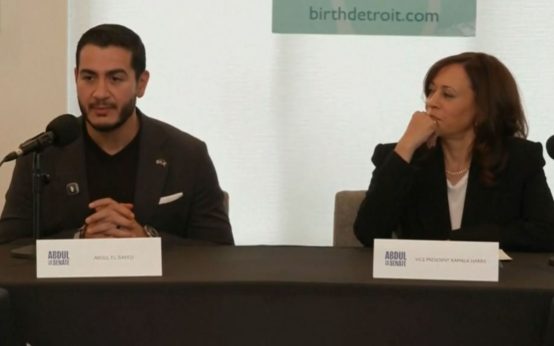 Kamala Harris Joins Abdul El-Sayed in Michigan Senate Campaign
  Public Confidence in the Supreme Court at Record Lows
  Federal Authorities Arrest California Lawmaker’s Aide for Visa Overstay