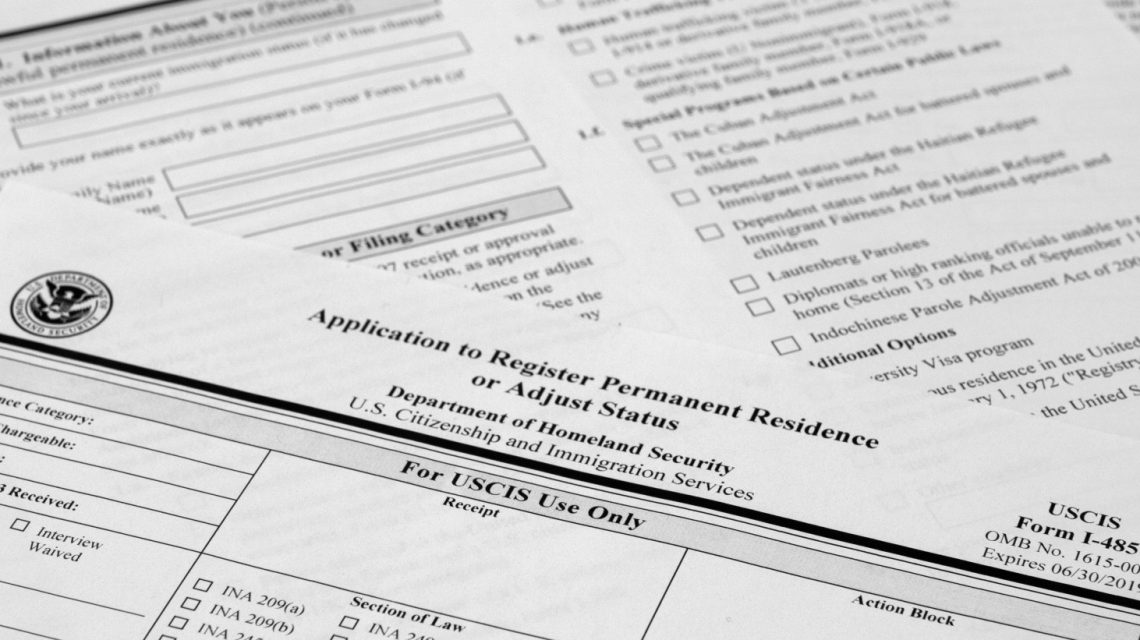
Recent changes in green card availability present a significant opportunity for spouses of lawful permanent residents to file their applications. This comes at a time when upcoming policy changes from the Trump administration might add more focus to applicants’ financial conditions. The State Department’s August Visa Bulletin has updated the F2A final action date by about 18 months. Now, for most countries, the date has moved forward to July 22, 2026. Specifically for Mexico, the date now stands at July 22, 2025. The F2A category is particularly relevant for spouses and unmarried children under 21 of lawful permanent residents.
These changes occur just ahead of a September 18 shift in the public charge policy by the federal government. The Department of Homeland Security (DHS) intends to revert to a broader examination of whether an applicant might become a public charge, stepping away from the 2022 guidelines. Consequently, the U.S. Citizenship and Immigration Services (USCIS) will adopt a revised Form I-485, which is essential for those seeking to secure permanent residence in the United States. After September 18, USCIS will reject applications using older editions of this form.
Immigration attorneys see this as an opportunity for many spouses of green card holders to advance and potentially have their cases approved. Charles H. Kuck of Kuck and Baxter Immigration mentioned that this adjustment allows more couples to pursue status changes domestically. He notes that this is beneficial news for these families.
USCIS has permitted family-sponsored applicants to follow the more favorable Dates for Filing chart during August. The F2A category is current on this chart, enabling eligible applicants to file Form I-485, irrespective of their priority date. However, green card approval necessitates an earlier priority date than the final action date.
Saja Raoof, an immigration attorney, described this advancement as an unprecedented and major leap. Despite this, USCIS processing delays might mean some eligible cases remain unresolved by the time the Visa Bulletin changes again. A pending case cannot progress during times when a visa number is unavailable.
The State Department highlighted that these date shifts are due to decreased immigrant visa issuance rates from certain countries. They warned that date adjustments might be needed if demand changes or policies shift. For spouses of lawful permanent residents, these alterations are crucial since they lack the full procedural rights given to spouses of U.S. citizens.
The forthcoming public charge rule weighs heavily on when applicants should file. Under the new rule, factors such as age, health, family and financial status, and skills will be assessed. The DHS will also evaluate receipt of means-tested public benefits and case-specific details.
Although the new rule does not focus specifically on spouses or marriage-based applications, these applicants are commonly evaluated under the public charge criteria and must submit an affidavit of support. Kuck commented that the changes complicate predicting how individual cases will be assessed.
USCIS mentioned that marriage-based applicants may not require additional documentation across the board. Applicants should closely monitor guidance released before the rule’s implementation. The approaching September 18 date marks a procedural deadline. Post this date, outdated Form I-485 versions will face rejection. So, applicants must ensure they use up-to-date forms.
Attorneys advise eligible couples to submit their applications before these policy changes take effect. Attorney Loren Locke emphasized the value of applying under the familiar guidelines to avoid potential new complexities.
Whether couples decide to file before the deadline should take into account lawful status, unauthorized employment, immigration violations, and evidence availability. The August Visa Bulletin heralds a potential opportunity, but future Visa Bulletin shifts and how USCIS enforces its new framework will influence its sustainability.
 Byron Donalds Adjusts Campaign Strategy as Florida Governor Race Intensifies
  Trump’s Engagements at the UN: Focus on Ukraine and White House Developments
  Collins Faces Scrutiny in Tight Maine Senate Race Amid Donor Allegations
  Trump’s Vision for Global Security: Iran, AI, and the Role of the U.S.
  Nevada Attorney General Faces Questions Over Clemency Bid
  Trump Administration’s Crackdown on ACA Coverage