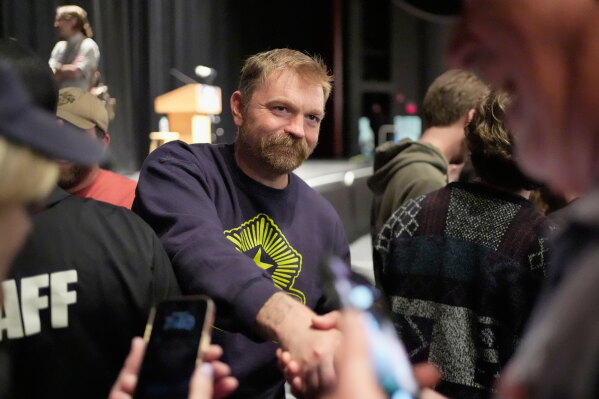
Graham Platner, a Democratic candidate for the U.S. Senate in Maine, held his first major campaign rally amid ongoing controversies about his past with women. Reports surfaced detailing sexually explicit messages Platner sent while married. Additionally, some past relationships have been cited, with mixed opinions about his character.
One accusation involved Platner allegedly twisting a woman’s arm during an argument. Platner denied this allegation and addressed the crowd at his rally stating, “When politically motivated, serious and false accusations are made against me, Maine, you have my back.” Despite these issues, nearly 600 supporters gave him a standing ovation. As Maine’s primary approaches, voters seem hesitant to distance themselves from Platner, who portrays himself as a reformed individual.
Some supporters dismiss the text messages as a private issue for the couple to handle. They argue that taking back control of the U.S. Senate is a priority that overshadows imperfect candidates. However, concerns linger about potential controversies that could surface before the November election.
Deb Dagnan, chair of Maine’s Piscataquis County Democrats, expressed concern about potential future controversies, stating, “I think a lot of people are afraid.” Platner’s controversies include his covered-up tattoo of a Nazi symbol and past inflammatory online statements.
Yet, Platner receives strong support from prominent figures such as Sens. Bernie Sanders and Elizabeth Warren. His recent rally in Bar Harbor was part of a “get out the vote” effort leading up to Maine’s primary election. His main opponent, Gov. Janet Mills, suspended her campaign in April.
Platner’s personal life has seen scrutiny with reports of marital difficulties following allegations of sending sexually explicit texts. The Wall Street Journal reported that Platner’s wife, Amy Gertner, informed the campaign about these messages to ensure they were not problematic.
Genevieve McDonald, a former campaign staffer, accused Platner of “sexting multiple women” while married. In response, Platner released a video with Gertner avoiding specifics about the texts but labeling the media coverage as “gossip.” Her comments about working on their marriage resonated with some, who view these personal challenges as an example of integrity.
Despite ongoing public concerns, some see Gertner’s openness as admirable. Valerie Tate, a Maine Democrat, emailed that being honest about personal growth is commendable and “not a disqualification from public life.” However, the public remains cautious, recognizing that further disclosures could sway voter opinion.
Platner’s past issues, like a recognizably offensive tattoo and derogatory online posts, continue to pose challenges. These matters have prompted some feminist groups to encourage support for Mills, though she remains largely absent from active campaigning.
Bringing newcomer energy to the campaign, Platner advocates for income equality, healthcare access, and affordable housing. His message resonates with many voters, drawing large crowds and significant campaign contributions.
Paige Zeigler, a former Maine Democratic lawmaker, explained Platner’s appeal: “People want somebody new. They want somebody that they feel that they can embrace. And Platner is riding that wave.”
 Influence Concerns Surround California Political Donors
  Michigan Senate Race Sees Influences from Soros-Linked Funding
  Trump Seeks Diplomatic Success at the U.N. Amid Challenges
  North Carolina Senate Race Influenced by Abortion Policy Messaging
 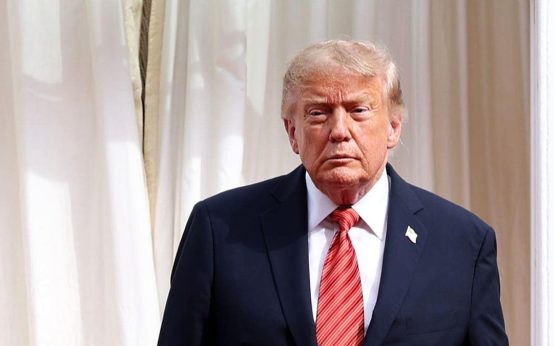 Trump Pressures Republicans on Filibuster Threat
 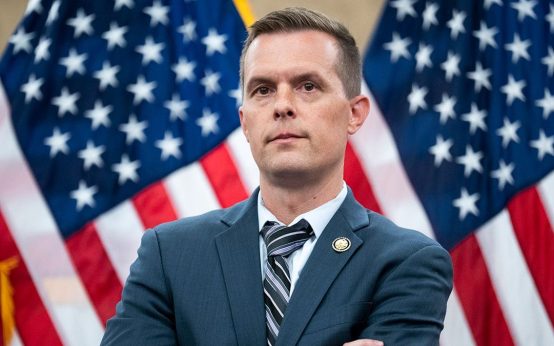 Rep. Golden Endorses Rep. Lawler for Re-election