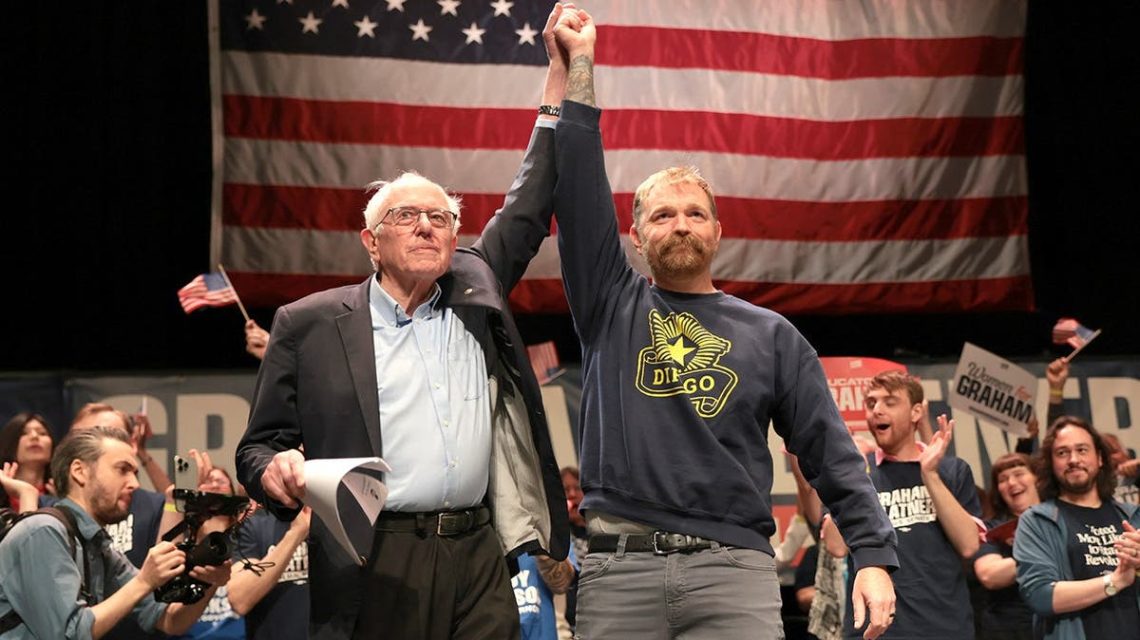
Graham Platner, described as a radical leftist, recently secured the Democratic nomination for the U.S. Senate in Maine. Despite controversies, his nomination was hardly contested. Allegations include a Nazi-related tattoo, controversial social media posts, and sexting scandals.
The tattoo incident surfaced last year. It depicted the ‘Totenkopf,’ an emblem associated with Nazi SS troops. Media coverage was initially minimal. NPR and other outlets avoided discussing the tattoo. In contrast, significant media figures like Elizabeth Warren still endorsed Platner, signaling his political clout.
Emerging Scandals and Media Response
On May 31, new allegations included past sexting while Platner was married. His wife alerted campaign officials. The Wall Street Journal reported these details. Network anchors posed broad, non-confrontational questions about Platner’s suitability. Concerns over Platner’s impact on Democratic aspirations were evident.
A joint appearance with Bernie Sanders highlighted Platner’s support from key Democratic figures. This alliance seemed part of efforts to rally voters despite ongoing scandals.
Comparative Media Attention
Historically, midterm elections involve scrutinizing candidates’ personal lives. Comparison with Republican figures highlights disparate media approaches. Instances from 2010 to 2022 show differing scrutiny levels. Platner, had he been a Republican, may have faced sharper criticism.
On June 5, The New York Times detailed further allegations of toxic behavior. CBS’s Tony Dokoupil discussed Platner’s past negatively impacting his candidacy. However, Platner insisted he has changed. ABC’s Selina Wang covered allegations of violence yet downplayed the tattoo significance.
Persistent Candidate
NBC’s coverage of allegations remained cautious. Monica Alba reported Platner’s denial of physical abuse. Despite controversies, he remained a crucial Democratic figure, eyeing the Senate seat.
Analysts like David Brooks criticized Platner’s morality on PBS NewsHour. Yet Jonathon Capehart advocated for his candidacy, emphasizing pragmatic political priorities.
NPR’s Tamara Keith underscored Platner’s position, referring to ‘nuances’ amid controversies. Winning the primary suggested scandals might fade into perceived ‘old news.’ Post-primary, NBC’s Ryan Nobles noted Platner’s support within the Democratic base.
Late-night talk shows, like Jimmy Kimmel’s, injected humor into the political discourse. His remarks blended Platner’s scandals with broader political implications, emphasizing media’s narrative shaping roles.
 CNN Defends Use of Anonymous Sources in Iran War Reporting
  Generational Shift in Voter Dynamics and Its Impact on the Democratic Party
  Elon Musk’s Government Efficiency Initiative Overstates Savings
  Fetterman Criticizes El-Sayed’s Campaign Tactics Ahead of Michigan Senate Race
  Texas Senate Race: Talarico and Paxton Clash Over Republican Support
  Republican Candidate Terri DeBoer Eyes Michigan’s Third Congressional District