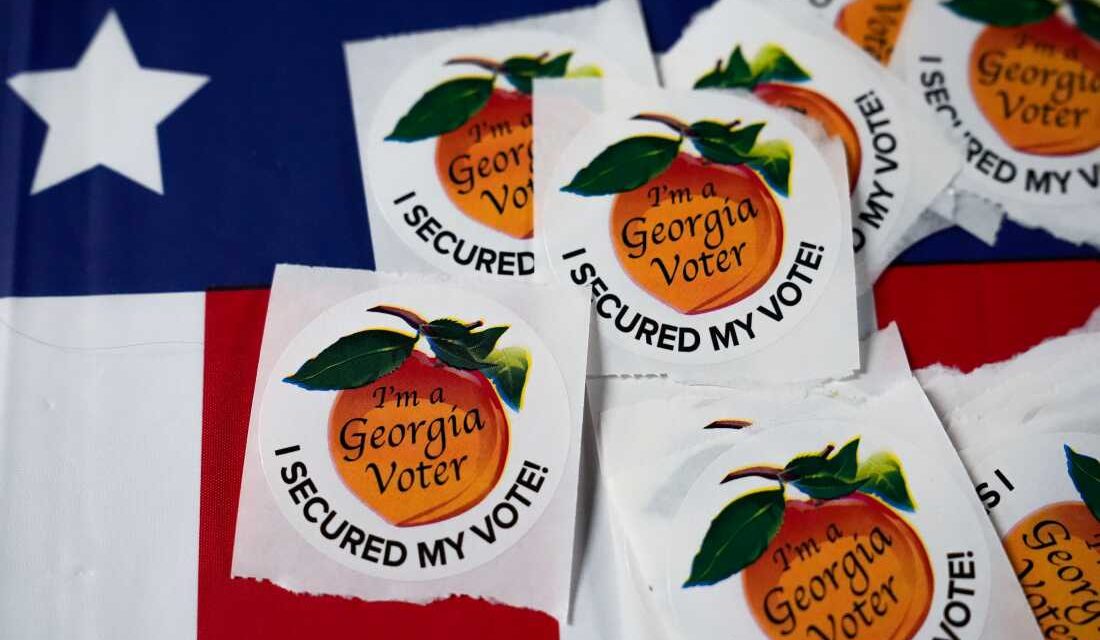
Georgia’s primary elections have been marked by unprecedented fundraising efforts, intense Republican contests, and robust participation from Democrats. Significant attention is directed toward upcoming runoff elections on June 16, which will determine challengers for incumbent Democratic Sen. Jon Ossoff and candidates for the governorship amid a crowded field.
Senate Race Dynamics
Sen. Jon Ossoff, a vulnerable Democrat, faces a contentious Republican primary. Prominent contenders include Rep. Mike Collins, favored in polls and fundraising, and Derek Dooley, supported by Gov. Brian Kemp. The primary seems poised for a runoff, attracting interest as a critical battleground in November.
Governor’s Race Overview
Georgia’s open governor position is fiercely contested, with debates over candidate viability. On the Republican side, Trump’s endorsement of Lt. Gov. Burt Jones provides him with a strong position against rivals like Chris Carr and Brad Raffensperger. However, Rick Jackson’s considerable self-funding reshaped the dynamics, making this primary the state’s costliest to date.
The Democratic primary also features major figures such as former Atlanta Mayor Keisha Lance Bottoms and others. Both parties focus on selecting candidates capable of securing victory in a politically competitive Georgia.
Judicial Races Gain Attention
Nonpartisan races for the Georgia Supreme Court gain prominence, influenced by broader political dynamics. Incumbents Charlie Bethel and Sarah Warren face Democratic challenges from Jen Jordan and Miracle Rankin, backed by notable Democratic endorsements.
Kemp’s announcement to reconvene state lawmakers for redistricting discussions post-primary further intensifies the importance of these races amidst a backdrop of district redraws in other Southern states.
Rising Democratic Turnout
The Democratic surge, notable in President Trump’s second term, continues with substantial early voting turnout in Georgia. Approximately 56.7% of early voters participated in the Democratic primary, surpassing Republican participation at 41.7%. This trend, seen nationwide in midterms, suggests voters’ dissatisfaction with the Republican agenda while expressing willingness to support Democrats.
Georgia Democrats, buoyed by past electoral successes like the Public Service Commission flips, seek to capitalize on this momentum. This aligns with national patterns observed in other states’ primaries such as Texas and North Carolina, where Democrats have shown increased engagement.
 Democrats Eager to Flip Senate Amid Polling Challenges
  Challenges Faced by Republicans in the Upcoming Midterms
 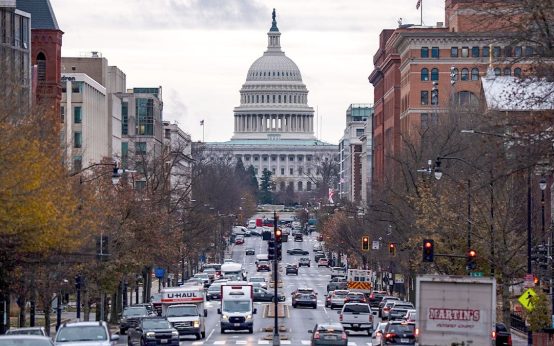 Congress Faces Unease Amid Fall Transition and Upcoming Midterms
 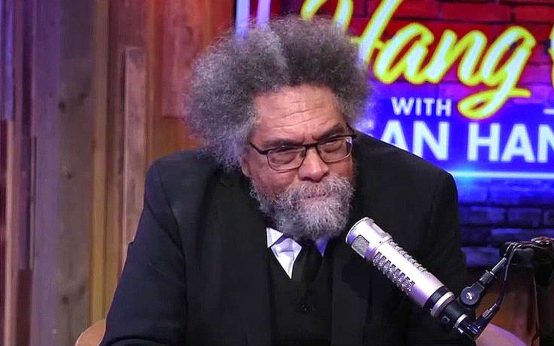 Cornel West Discusses Ideological Differences with Sean Hannity
 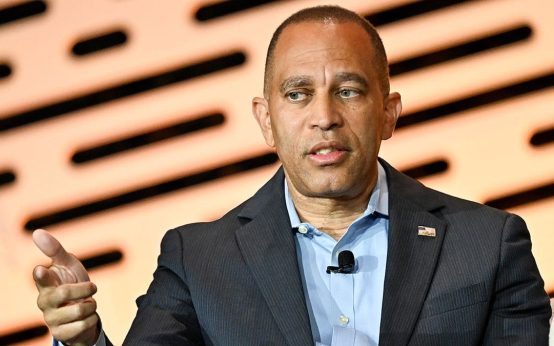 The Final Sprint for Congressional Control: Key Districts to Watch
  President Trump Discusses Key Issues Before Midterm Elections